Pitsso Mosimane advocates for diversity in the South African national team Bafana Bafana
Read more
IOL
iol.co.za

Pitsso Mosimane advocates for diversity in the South African national team Bafana Bafana

Pitsso Mosimane, who is preparing to lead the South African national team Bafana Bafana, has stated his vision for strengthening football in the country, aiming to start changes from the very basics. He emphasized that to achieve this goal, he needs the support of all South Africans.

Mosimane stated that football unites people regardless of skin color, origin, or fatherhood: 'Football is one place where it doesn't matter what color you are, where you are from, or who your father is; if you can play football, you will play.'

The 62-year-old specialist, whose appointment was approved by NEC Safa last week, is ready to make every effort to achieve national excellence. This may include visiting the best rugby schools in South Africa with the aim of 'introducing football.'

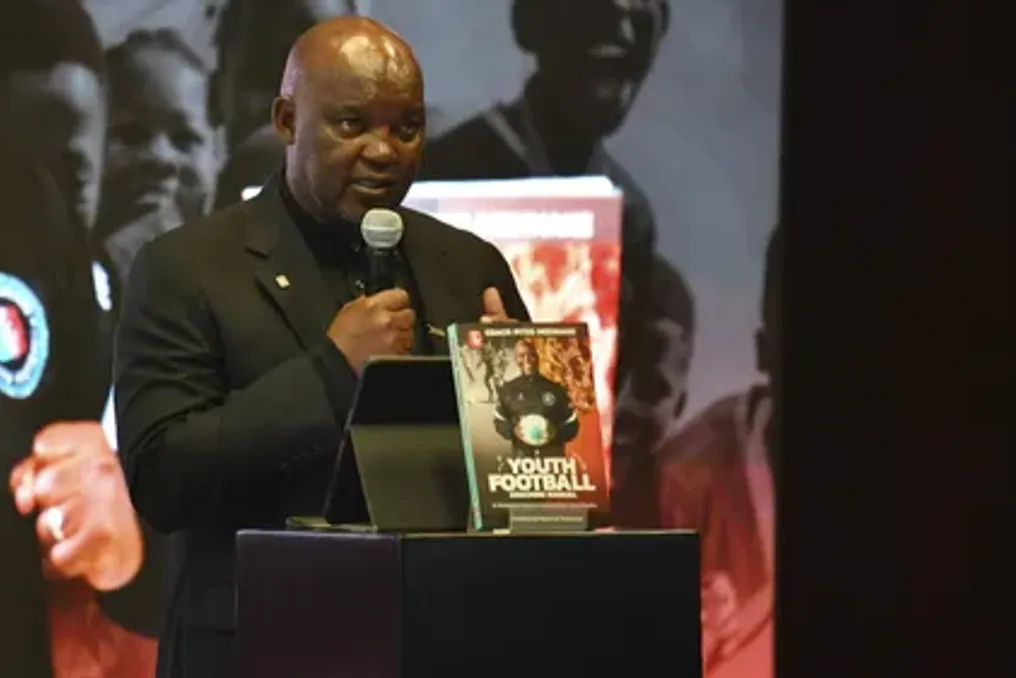
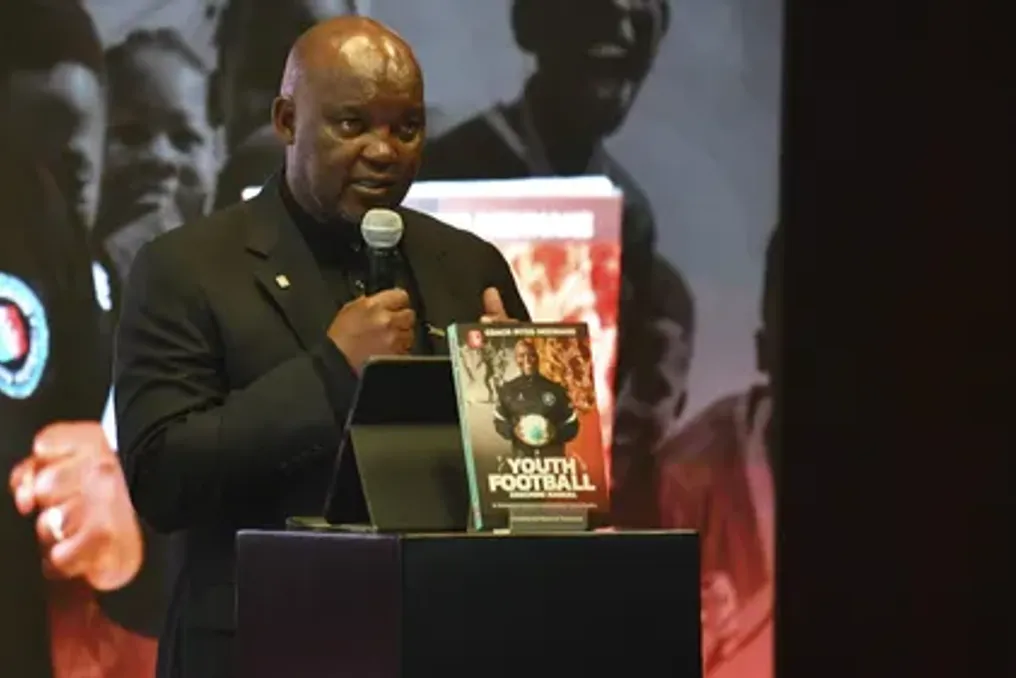
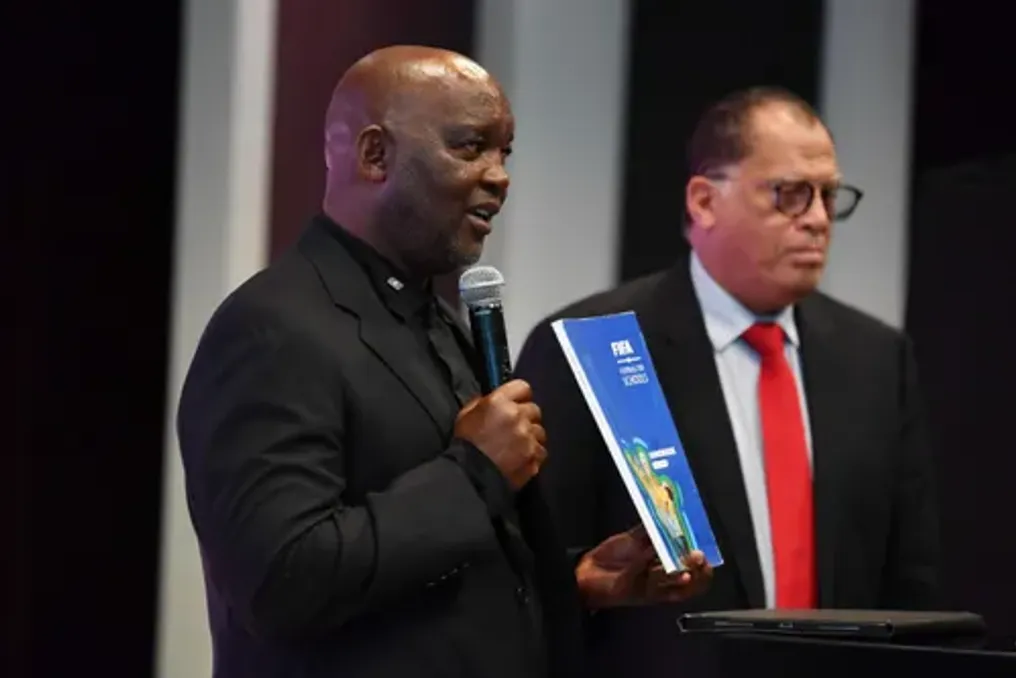
Speaking on the CheckPoint Podcast on eNCA, Mosimane discussed the recently released book 'Youth Football Coaching Manual.' He noted that coaches have long worked with players without structured materials or a curriculum.

He explained that he decided to write the manual so that knowledge could be systematized, similar to how academics do it: 'I decided to write a manual so we can break down, as academics say, before reading, you must know your alphabet; then you can read.'

Mosimane highly values the successes achieved in rugby and wishes to replicate this success in South Africa. He observed that in any town or village, there are more rugby posts than football goals.

'I respect rugby, and I even have a Springboks jersey because it is our national team... We need to see what the Bokke did, where they started? Which schools do they attend and what is their program?'

The podcast host, Nkepile Mabuse, suggested that Mosimane collaborate with leading schools such as Paul Roos, St Alban’s College, and Paarl Boys. Mosimane responded to this by acknowledging that some local schools are not interested in football.

However, when asked to change this situation, Mosimane did not hesitate. He stated: 'Give me the challenge; it is a good challenge.' He mentioned that the Minister of Basic Education visited the presentation of his book and said that 'coaching is necessary in this.'

In this regard, Mosimane proposed the next step: 'I think we now need to move to the next stage and say: Minister, could you accompany me to talk to Paul Roos, Paarl Gym, and all these schools so we can present the program [to them] and help children play football—especially, we need white footballers.'

He insisted on the need to involve white footballers in Bafana Bafana, arguing that they play at the youth level but then disappear. His goal is to demonstrate their potential in the national team to show that 'they can play there.'

For Mosimane, this goes beyond simply finding players. He is convinced that football has the power to unite South Africans in a way few things can. He cites the example of Europe, where many Africans are in France, and states: 'As long as you can play football, we will let you play.'

He stressed that football does not discriminate: 'Football does not choose; it doesn't care if you live in a shack. As long as you can play football, we will give you a chance. We don't care about connections, we don't care who you are...'

In Mosimane's view, the task is not only to create the best Bafana Bafana team but also to change South Africa's perception of football—from school grounds to the national team—ensuring that the next generation of talents, regardless of their background, is not lost along the way.
Similar stories

Pitsso Mosimane presents a vision for the development of the diverse South African national team Bafana Bafana
Read more
iol.co.za

Pitsso Mosimane presents a vision for the development of the diverse South African national team Bafana Bafana

Pitsso Mosimane, the newly appointed head coach of Bafana Bafana, stated his intention to revitalize South African football by focusing on grassroots development. He emphasized that the support of all South African citizens is necessary for success.

Mosimane stated: 'Football is one place where it doesn't matter what color you are, where you come from, or who your father is; if you can play football, you will play.'

The 62-year-old specialist, whose official appointment was approved by NEC Safa last week, is ready to make every effort to achieve national excellence. This may include visiting elite South African rugby schools with the aim of 'introducing football.'

Discussing his recently released book 'Youth Football Coaching Manual' on the CheckPoint Podcast on eNCA, Mosimane noted that previously coaches worked without methodological materials or a curriculum. He decided to write a guide to 'break down how academics say; before you read, you must know your alphabet, then you can read.'

Mosimane highly values achievements in rugby and aims to replicate the success of this sport in South Africa. He observed that there are more rugby posts than football goals in any town or village. He expressed respect for rugby and even owns a Springbok national team jersey, noting the need to study how the Bokke team achieved success, which schools they attend, and what their program is.

The podcast host, Nkepile Mabuse, suggested that Mosimane collaborate with leading schools such as Paul Roos, St Alban’s College, and Paarl Boys. Mosimane responded to this by acknowledging that some local schools are not interested in introducing football.

However, when asked about the necessity of changing this situation, Mosimane did not hesitate. He stated that it is a 'good challenge.' He mentioned that the Minister of Basic Education visited the presentation of his book and said that 'the coach, it is necessary.' Mosimane added: 'We need white footballers in Bafana Bafana, we need them. Why not? They play at the youth level, but then they drop out. We need to present them in Bafana to say: 'you can play there.'

Nevertheless, for Mosimane, this goes beyond simply finding players. He is convinced that football has the power to unite the people of South Africa like few other things. He cites the example of Europe, where many Africans are in France, arguing that as long as a person can play football, they will be allowed to play, regardless of connections or origin.

Thus, for Mosimane, the task is not only to create a better Bafana Bafana but also to change South Africa's view of football—from school fields to the national team—and ensure that the next generation of talents, regardless of their background, is not lost along the way.

Pitsso Mosimane returns to the leadership of the South African national team as an experienced coach
Read more
iol.co.za

Pitsso Mosimane returns to the leadership of the South African national team as an experienced coach

Pitsso Mosimane once again leads the Bafana Bafana national team, possessing extensive experience and recognition, unlike his first stint in 2010 after the FIFA World Cup.

When Mosimane first took over as head coach of Bafana Bafana in 2010, he represented a young, ambitious tactician taking his first steps on the international stage. His initial period was characterized by strong enthusiasm, but it ended prematurely in 2012 due to intense pressure, media conflicts, and the heavy burden of expectations.

Fourteen years later, the situation has changed drastically. Returning to the role of national team head coach to replace Hugo Broos, Mosimane is not presenting himself as a coach proving his worth, but as one of the most decorated and respected figures in modern African football history.

The main difference between Mosimane then and now lies in the accumulated experience, status, and maturity that he lacked during his first tenure with the national team. During his ten years at Mamelodi Sundowns, he transformed the Pretoria-based club into a powerful domestic force and won the African Champions League title in 2016.

His subsequent move to the Egyptian club Al Ahly further elevated his authority, leading the Cairo giants to two African Champions League titles and two consecutive bronze medals at the FIFA Club World Cup. His periods working in Saudi Arabia, the UAE, and Iran also enriched his coaching portfolio with valuable international experience.

These high-pressure environments helped transform Mosimane from a passionate, emotional motivator into a calm strategist who has experienced all facets of African football. In 2010, he took charge of a national structure undergoing transition, often facing bureaucratic hurdles from officials of the South African Football Association (SAFA) and public scrutiny after the team failed to qualify for the Africa Cup of Nations in 2012.

In 2011, while in Port Elizabeth (now Gqeberha) at the Nelson Mandela Challenge tournament, he publicly criticized fans for bullying Katlego 'Killer' Mphahle after a 1-1 draw. He launched an emotional tirade, even using his cane on journalists. However, nowadays Mosimane speaks much more calmly and confidently, displaying a sincere and empathetic manner of speaking, possessing wisdom that he may not have had fifteen years ago.

Today, 'The Gingers' possess the authority, prestige, and respect that ensure immediate player support and administrative backing from SAFA, which desperately wants him to continue the work started by Broos over the last five years. Mosimane's modern approach combines meticulous opponent analysis with flexible match management, which is a necessary quality to overcome the challenges of African football.

Mosimane inherits a national team that is confident after historically qualifying for the 2026 FIFA World Cup playoffs. With a squad boasting good depth and experience in international tournaments, Mosimane is ideally positioned to build on this momentum. Fourteen years of triumphs have hardened his leadership qualities. Pitsso Mosimane returns to Bafana Bafana, and this time he is not seeking approval, but is armed with personal authority to take South African football to an even higher level.

Popular