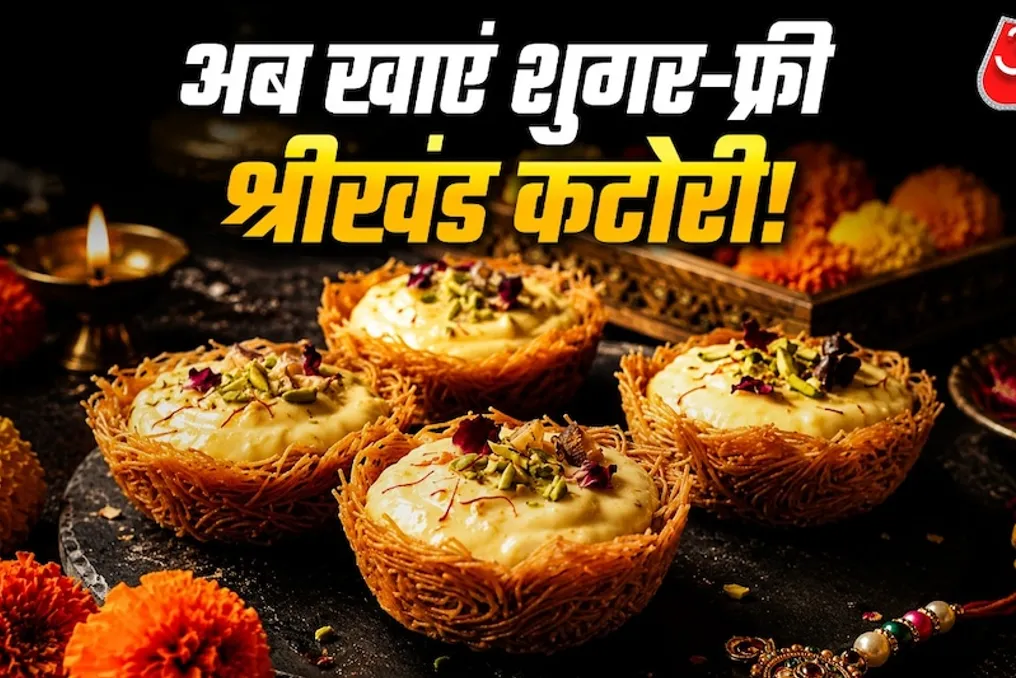
Shrikhand Katori Recipe: How to Make the Famous Gujarati Dessert at Home
Read more
Aaj Tak
www.aajtak.in

Shrikhand Katori Recipe: How to Make the Famous Gujarati Dessert at Home

If you crave something sweet after a meal but are concerned about calorie intake, this sugar-free Shrikhand Katori option will be perfect. This dessert is suitable for both festivals and any celebration. Although sweets are necessary, store-bought items often contain sugar syrup, which can negatively affect health.

You can prepare delicious Shrikhand Katori at home with minimal effort. The recipe uses the natural sweetness of dates and the crunchy texture of sev, without using refined sugar. Shrikhand is traditionally a very popular and authentic dessert from the western Indian states of Maharashtra and Gujarat, but it has now gained popularity across the country.

Below is a simple way to prepare healthy Shrikhand Katori, which you can easily replicate to treat your loved ones on Rakhi.

Ingredients for Shrikhand Katori

Next is a detailed description of the preparation process.

Preparing Crunchy Sev Katori

First, soak the dates in hot milk for 10–15 minutes, then blend them into a smooth puree using a blender. In a saucepan, heat ghee and fry the sev over low heat until golden brown. Then, add the date puree, chopped pistachios, and salt to the fried sev, mixing thoroughly. While the mixture is still warm, press it into small molds or silicone muffin trays, shaping them into katoris. To set, place these molds in the refrigerator for 45–60 minutes.

Making Creamy Date Shrikhand

The dates intended for the shrikhand are also blended with hot milk to form a puree. In a separate bowl, take chilled yogurt and whip it until it reaches a completely creamy consistency. Next, add the date puree, saffron milk, cardamom powder, salt, and pistachios to the yogurt, mixing all ingredients thoroughly. Leave the mixture in the refrigerator for 2–3 hours to cool completely.

Garnishing and Serving

Once the sev katoris are ready, take them out of the refrigerator. Carefully fill these molds with cold shrikhand using a pastry bag or a spoon. Garnish the dessert with chopped pistachios, strands of saffron, and small pieces of dates before serving.
Similar stories

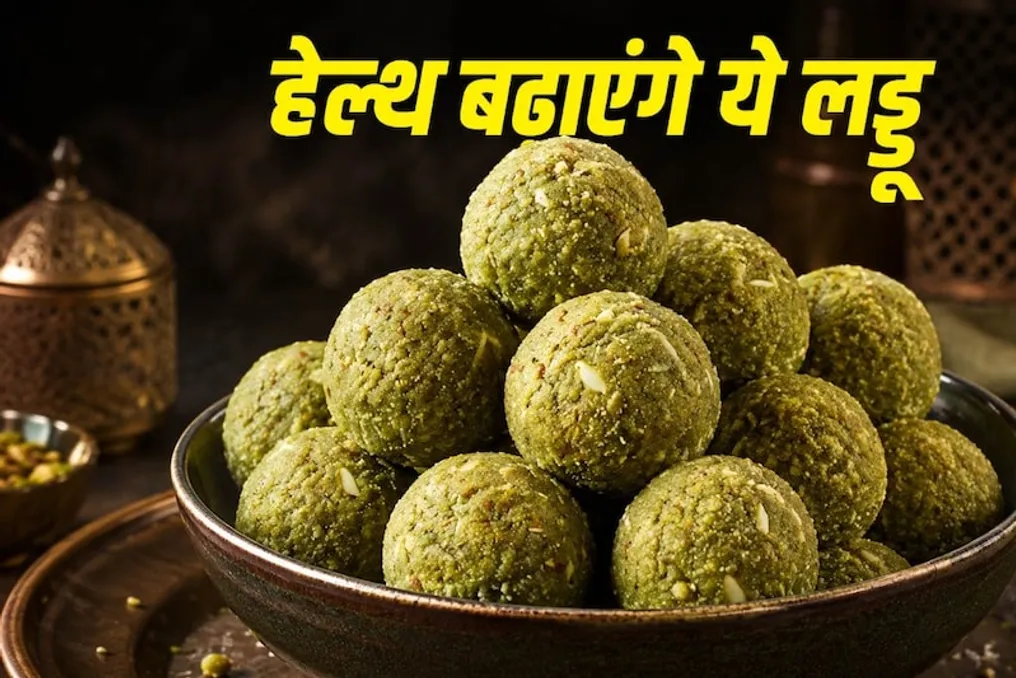
Quick recipe for soft moong dal laddus without soaking, dried fruits, or sugar
Read more
www.aajtak.in

Quick recipe for soft moong dal laddus without soaking, dried fruits, or sugar

With the season of Savan, rains, and festivals such as Raksha Bandhan and Janmashtami, various sweets are prepared at many homes or purchased from stores. If you want to avoid artificial sweets this Raksha Bandhan and prepare something pure, healthy, and quick at home, soft moong dal laddus will be an ideal choice. A simple recipe is presented here that eliminates the need to soak beans for hours and does not require mascarpone or unhealthy sugar.

These laddus, made with minimal natural ghee and sweetness from jaggery, turn out very soft and crumbly, melting in the mouth. The simplest way to prepare them is described below.

The following ingredients are needed for preparation: moong dal (1 cup, thoroughly wiped with cloth), jaggery (3/4 cup, grated or finely crushed), desi ghee (3-4 tablespoons), cardamom powder (1/2 teaspoon), chopped nuts (cashews, almonds, pistachios) — 2 tablespoons, dry coconut powder (grated coconut) — 2 tablespoons (optional, for texture).

First, the moong dal should be thoroughly washed with water and completely dried by wiping it with a cotton cloth to remove all moisture. Then, on low heat in a pot, dry the beans without adding ghee for 5-7 minutes until they become slightly golden and release their aroma. After this, the roasted moong dal should be removed onto a plate and allowed to cool completely. Once cooled, it is ground in a food processor into a coarse powder, similar to semolina.

Next, 1 tablespoon of desi ghee is heated in the pot, and the chopped almonds and cashews are lightly fried. The resulting ground moong dal is then added to the remaining ghee in the pot and continues to be roasted over low heat for another 2-3 minutes, adding 2-3 tablespoons of ghee. After this, the grated jaggery and the hot moong dal mixture are placed in a food processor and pulsed just once. This allows the jaggery and moong dal powder to bind without the need for syrup preparation.

The resulting mass is transferred to a bowl. Cardamom powder, roasted nuts, and the remaining 1 tablespoon of ghee are added. When the mixture becomes slightly warm, soft balls are formed by pressing them with your hands. If the mixture seems dry, 1 tablespoon of melted ghee can be added. The finished moong dal laddus, prepared without sugar, mascarpone, and pre-soaking the beans, are ready. These homemade laddus for Raksha Bandhan will allow you to delight your brother with a sweet treat.

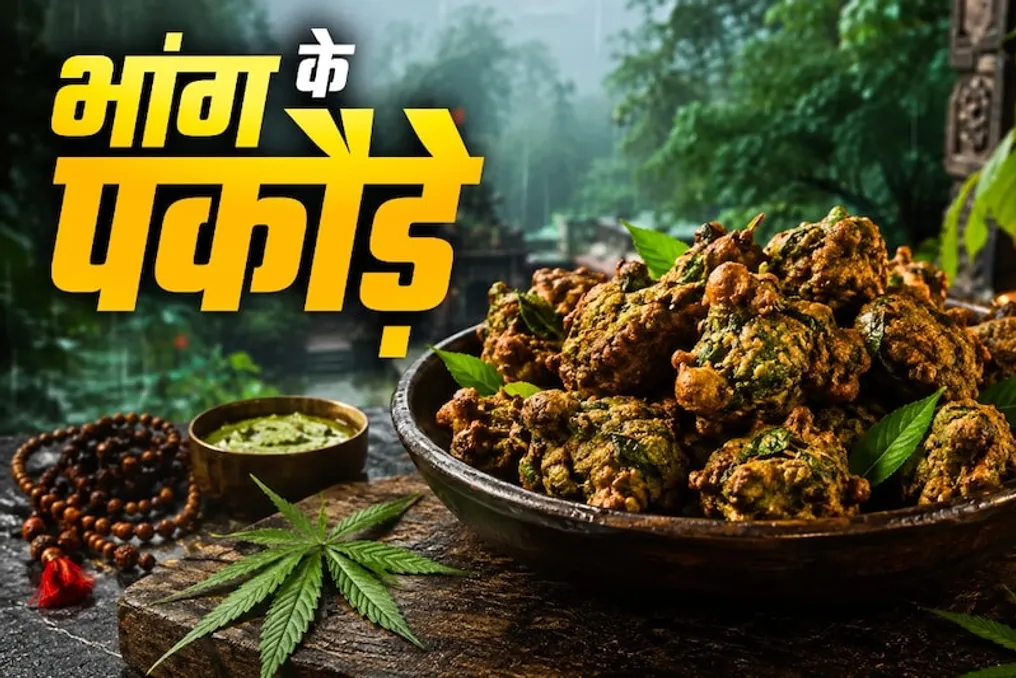
How to make crispy and delicious potato bhang pakoras in just 10 minutes at home
Read more
www.aajtak.in

How to make crispy and delicious potato bhang pakoras in just 10 minutes at home

The holy month of Sawan is considered the best time for worshiping and honoring Lord Shiva. There is a belief that Mahadeva greatly enjoys bhang, so offering him bhang during Monday of Sawan or Shivaratri is considered very auspicious.

If you also want to prepare something special, traditional, and crispy as an offering to Lord Shiva during this Sawan, bhang pakoras are an ideal choice. These pakoras are made from a mixture of chopped vegetables and bhang leaves/paste, and they turn out very tasty and crunchy.

Below is a complete guide on how to easily prepare them at home.

The following ingredients will be needed: 1.5 cups of kuttu flour, 1 tablespoon of bhang leaves or paste (freshly ground leaves), 1 potato (thinly sliced or finely chopped), 2 green chilies (finely chopped), fresh cilantro, fasting salt (to taste), oil for frying, and water as needed for the batter.

First, mix the kuttu flour and salt in a large bowl. Then, add the bhang paste (or finely chopped fresh leaves), chopped green chilies, cilantro, and potato to this mixture. Gradually add a little water to make a thick pakora batter so that all ingredients are well coated; it is important not to make the mixture too runny.

Heat the oil in a pan. When the oil is moderately hot, carefully drop small amounts of batter into the oil using a hand or a spoon. Fry the pakoras over medium heat until golden and crispy on both sides. After that, remove the pakoras. They are served hot with green chutney or tea after being offered to Lord Shiva.

Tamalapaku Pakoda Recipe: Crispy Mangosteen Leaf Snacks in Andhra Pradesh Style
Read more
www.aajtak.in

Tamalapaku Pakoda Recipe: Crispy Mangosteen Leaf Snacks in Andhra Pradesh Style

Do you want to try something new and crispy during the monsoon season with hot tea? Then prepare the famous Tamalapaku Pakodas from South India. These snacks are made with a perfect coating of lentil flour, rice flour, and spices; they turn out crispy on the outside and very tasty inside. Preparing this dish is quite simple, and it can be made at home.

During the monsoon season, enjoying pakodas has a special charm, especially when there is a drizzle and hot snacks are served with tea. Although you are likely familiar with potato, onion, and cauliflower pakodas, you may never have tried pakodas made from mangosteen leaves. Despite seeming unusual, Tamalapaku Pakoda, prepared in South India, is known for its unique flavor.

This snack, crispy on the outside and spicy on the inside, pairs perfectly with tea. Mangosteen leaves are sometimes called Tamalapaku, and it is thanks to this leaf that the light aroma and taste of the spices distinguish these pakodas from ordinary ones. The advantage is that they are easy to make using common ingredients found at home. A simple recipe is presented below.

First, the mangosteen leaves should be thoroughly washed and wiped dry with a clean cloth. Then, the stems of the leaves need to be cut off and separated.

In a large bowl, mix the lentil flour and rice flour. Add cumin seeds, asafoetida, red chili powder, turmeric, salt, finely chopped green chili, and ginger, and mix well. Then, gradually add water to prepare a thick batter. It is important that the batter is not too runny, otherwise, it will not coat the mangosteen leaf properly.

To make the pakodas crispier, be sure to use rice flour. Heat oil in a pan. When the oil is well heated, take one mangosteen leaf, dip it completely in the lentil mixture, and wrap it all around. Carefully drop it into the hot oil. Repeat the process with the remaining leaves, coating them in the batter and placing them in the oil. Fry the pakodas over medium heat until golden and crispy. Frying over too high heat can quickly brown the outer shell while the inside does not become sufficiently crispy.

Place the finished pakodas on paper towels to remove excess oil. Serve the hot mangosteen leaf pakodas with green, ginger, or tomato chutney.

To make the pakodas crispier, be sure to add rice flour to the batter. Additionally, maintain a medium oil temperature and do not fry too many pakodas at once. This ensures even cooking and a long-lasting crispy texture.

Popular