Passengers traveling with lithium-ion battery devices are advised to familiarize themselves with the updated air transport requirements. These changes aim to reduce the risks of smoke, fire, and overheating at altitude.
The International Air Transport Association (IATA) implemented updated recommendations on January 1, 2026, through its Battery Document, which is part of the Dangerous Goods Regulations.
LIFT Airlines, a recent member of IATA, has established a requirement that passengers must carry items with lithium-ion batteries in the cabin rather than checking them as baggage.
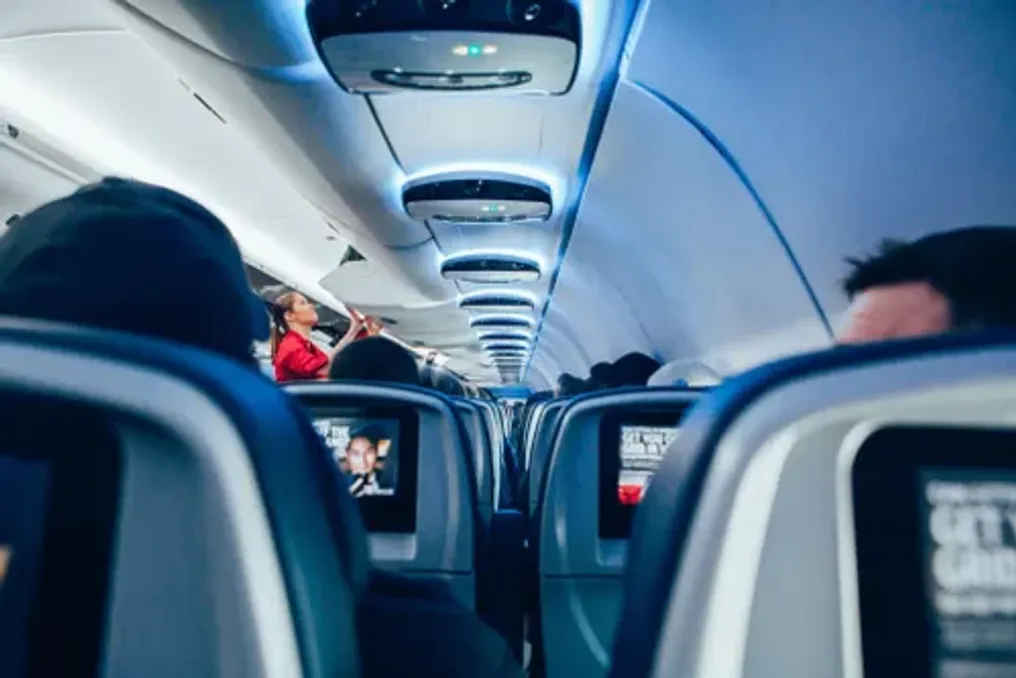
The airline stated that such items cannot be used during takeoff, landing, or taxiing. Furthermore, they should be stored in the seat pocket in front of the passenger or kept on hand, not in overhead bins, so they can be monitored throughout the flight.
Teuns Dreyer, Head of Airport and Ground Operations at LIFT, noted that the new procedure has caused some confusion at check-in counters and boarding gates, which could potentially lead to delays.
He strongly urged passengers to pack battery-containing items in carry-on luggage to avoid the need to repack checked baggage at the airport.
Common products containing lithium-ion batteries include mobile phones, laptops, cameras, external batteries (power banks), electric toothbrushes, certain vaping devices, e-cigarettes, e-readers, and smartwatches.
According to an IATA passenger survey, 83% of passengers have a phone with them, 60% travel with a laptop, and 44% bring an external battery.
Dreyer advised travelers to consult the airline before flying with large battery-powered items, as batteries exceeding 100 watt-hours may be prohibited.
On LIFT flights, lithium-ion battery devices, such as power banks, are permitted for use during the flight, but this is prohibited during takeoff, landing, or taxiing. They must also be securely stored and protected from potential damage.
Passengers are advised to monitor their devices and immediately notify flight attendants if they notice smoke, heating, or visible damage.
Dreyer also called on travelers to pay attention to signs at check-in counters and to their airline's announcements before departure.
LIFT warned that discovering a concerning battery item in checked baggage could result in boarding delays, baggage removal, or delays in baggage delivery to the final destination.