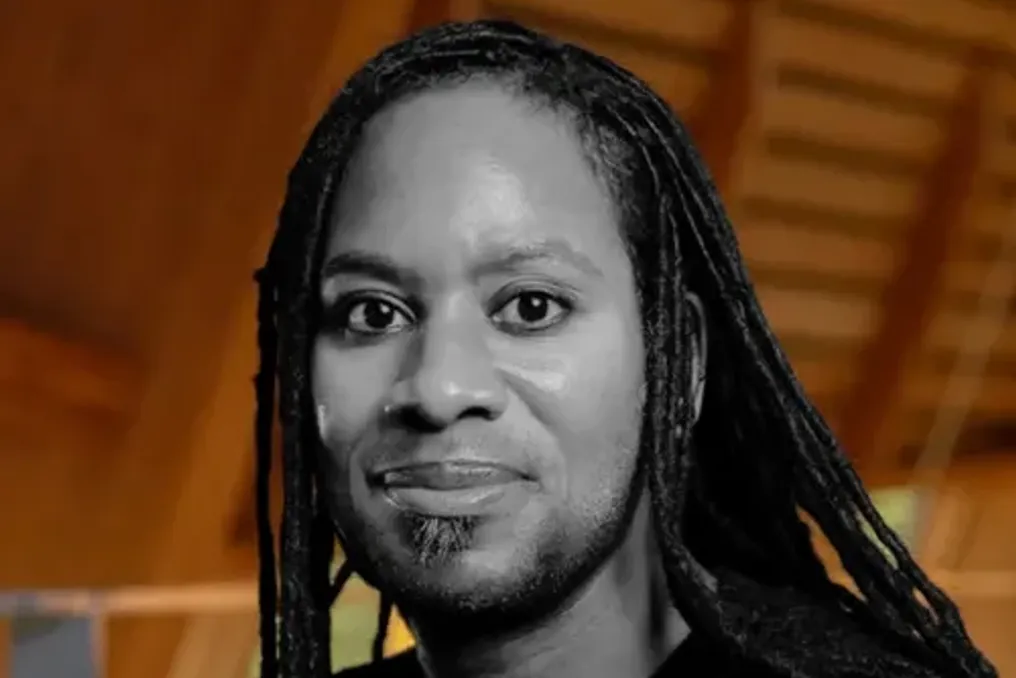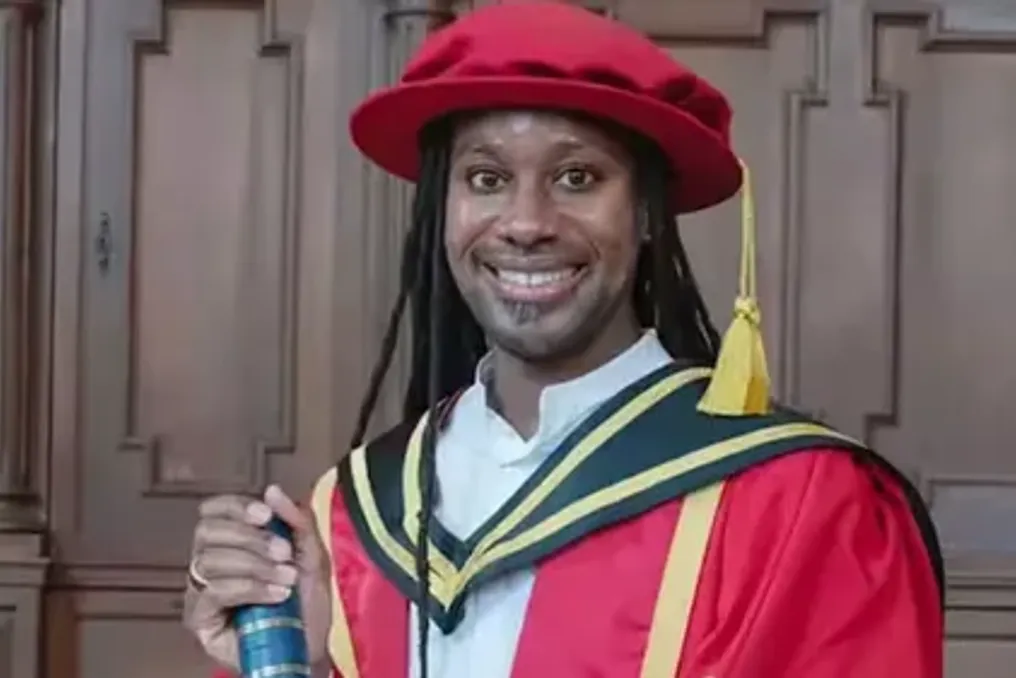
Following the tragic death of Jason Ardey, the youngest Black professor at Cambridge University, the institution's chancellor condemned what he called 'racist hysteria' in the media, which arose amid plagiarism allegations that prompted calls for a public investigation.
On Monday, the head of Cambridge University spoke out against the 'racist hysteria' triggered by plagiarism claims against scholar Jason Ardey, who passed away last week after being dismissed from his post.
After Ardey, the youngest Black professor in Cambridge's history, was found dead on Friday following numerous plagiarism accusations, University Chancellor Chris Smith told the BBC that he considered it necessary to conduct a 'thorough investigation' into these allegations.
However, Smith also stressed that it was fair to 'refrain from participating in racist hysteria surrounding a specific academic,' without naming Ardey directly.
Ardey resigned on August 5th after widespread media coverage of plagiarism allegations concerning parts of his doctoral dissertation. The 41-year-old scholar stated that he had reached 'the limits of what any person should reasonably endure.'
Ardey was found dead at his home in London on Friday, an event which Prime Minister Andy Burnham, a Cambridge alumnus, called a 'tragedy on many levels.' Ardey's family blames a 'disinformation campaign.'
An online fundraising page for Ardey's family raised over £146,000 ($198,000 USD) by Monday morning. A petition demanding a public investigation into the media coverage of Ardey's case gathered nearly 32,400 signatures on Monday.
The group Stand Up To Racism planned to hold a vigil on Monday evening at Trafalgar Square in London, as well as another one in Cambridge.
The university also faced increasing questions about how it handled these allegations and how it treated Ardey. James Cleverly, a right-wing opposition MP whose mother was born in Sierra Leone, told the BBC on Monday that it was 'quite possible' that some scrutiny of Ardey was motivated by racism.
Nevertheless, he added that the situation 'would never have escalated to this level if people in the university establishment—not just in Cambridge—had conducted the thorough vetting and oversight that should occur with any senior academic appointment.'
Last week, before the announcement of Ardey's death, Cambridge Vice-Chancellor Deborah Prentice announced the start of an investigation into the circumstances of his appointment and period of service at the university.