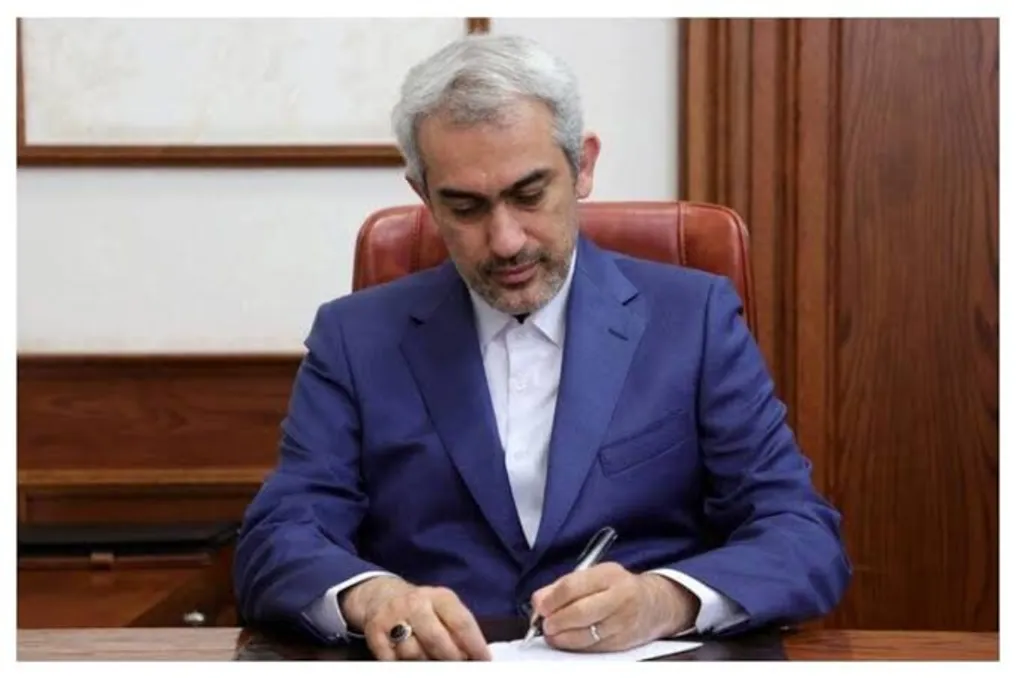
In Tehran, there is an opinion that the recent statements by the US Secretary of the Treasury and the attempt to portray Iran's economy as being in 'unprecedented isolation' are more a sign of policy frustration than a demonstration of strength, since the intended goals against the Iranian people have not been achieved.
When successive tools of economic pressure are applied without achieving expected results, repeating economic threats in broader terms does not change the actual situation on the ground. The Iranian people are accustomed to such rhetoric and repeated assertions of unprecedented pressure.
The state does not deny or downplay the economic impact of external pressure. The government's responsibility is to mitigate the consequences of any external pressure through competent economic policies, structural reforms, and support for production and livelihoods of the population. However, today the Iranian economy is increasingly focusing on enhancing internal potential, diversifying its base of trading partners, more actively utilizing regional economic opportunities, and reducing vulnerability to external pressure.
The United States must realize that the same nation that defended its country with solidarity and resilience on the battlefield and in the streets will not surrender to economic pressure and threats. The government and the people are not two separate fronts in this struggle. The government's task is to build a stronger economy and protect the welfare of people and businesses, while public trust and support remain the main source of strength for these efforts.
Iran's reaction to economic threats is not a verbal war or retaliatory threats. It is a process of building an economy that becomes less susceptible to sanctions every day. The stronger the external pressure, the more urgent it is for Iran to implement economic reforms, strengthen domestic production, expand regional trade, develop financial and commercial channels, and more actively utilize the country's internal capabilities.
Another fact cannot be ignored: attempts to disrupt trade and energy flows in one of the world's most strategically important economic regions entail costs for the global economy. Those who speak of Iran's 'economic isolation' must also be prepared to explain the consequences of their policies for global markets, international trade, and energy security.
The future of the Iranian economy, according to the author, lies not in Washington, but in Iranian factories, Iranian businesses, the opportunities of the country's youth, economic ties with neighboring states and trading partners, and internal structural reforms.
The Iranian people are not tired of constant threats; they are accustomed to them. It is important to demonstrate through economic activity, reforms, and strengthening national economic potential that the era when such rhetoric could influence the decisions and resolve of the Iranian people has passed.