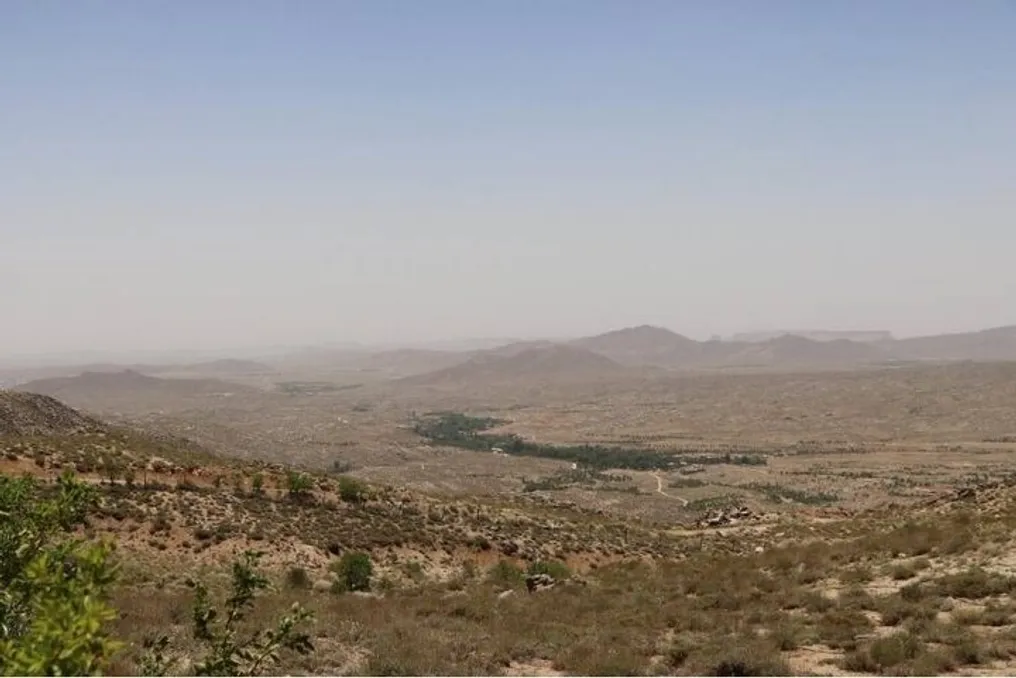
The first systematic archaeological survey of the Nir and Garizat areas in Taft district, central Iran, has been completed. During the work, ancient sites, historical fortifications, water management structures, cemeteries, and stone tools were discovered, according to an official representative for heritage in the province.
Mohammadreza Falahati, Deputy Head of the Department of Cultural Heritage, Tourism, and Crafts of Yazd Province, specified that fieldwork began in May 2026 and covered all designated territories of the two districts over 35 days.
These districts cover an area of about 2350 square kilometers and are considered important for archaeological research due to the diversity of landscapes, water resources, ancient settlements, and historical transport routes, added Falahati.
The survey allowed for the identification and documentation of a wide range of cultural artifacts, including archaeological monuments, castles, defensive structures, historical buildings, water supply and transfer facilities, ancient cemeteries, and other cultural evidence.
One of the most significant results was the discovery and documentation of a large number of historical castles, which highlights the region's role in past settlement networks and defense systems. Among the most notable structures documented within the project is the Fahraabad castle, which, according to the official representative, is one of the largest in Yazd province.
Furthermore, several archaeological mounds were identified, which may provide information about ancient settlements and the cultural development of the region. Falahati noted that further research could shed light on the history of human settlement in this part of Taft district.
Many stone tools were also found during the work. According to Falahati, these finds can provide new knowledge about the prehistoric period in southwestern Yazd province.
The location of all discovered objects was recorded using positioning systems, and separate files containing descriptive reports, photographic documentation, technical surveys, geographical coordinates, and preservation status assessments were created for each object.
An assessment of natural and anthropogenic threats to these sites was also conducted, which will serve as a basis for future conservation, research, and management plans, Falahati reported.
After the completion of fieldwork, the project moved into the data processing phase, which includes map preparation, completion of the spatial database, and drafting the final report.
Given the quantity and diversity of the identified sites, as well as the size of the surveyed area, it is expected that the project will contribute to a deeper understanding of settlement patterns, natural resource use, historical communication routes, and cultural development of Taft district. Taft itself, located in the central Yazd province, is known for its historical and cultural heritage and is associated with the Sufi poet Shah Nematollah Vali in the 15th century.