Some settlements are known for their architecture, cuisine, or history, but these cities have gained their distinctiveness from something much older and more powerful—a natural wonder dominating the landscape.
The Matterhorn, striking with its pyramidal silhouette, is an instantly recognizable peak rising above the Swiss village of Zermatt. Located at an altitude of 4,478 meters, it has become one of the defining symbols of the Swiss Alps.
Zermatt has transformed from an agricultural village into an international ski resort, with the Matterhorn playing a central role in this process. Today, visitors can enjoy extensive hiking and skiing routes, use mountain railways and cable cars, or simply admire the peak from the village.
The Gornergrat Railway is considered one of the best ways to experience the surrounding landscape, and numerous trails offer various views of the mountain.
On the Zambezi River, the city of Victoria Falls exists largely due to one outstanding spectacle. The local name Mosi-oa-Tunya means 'The Smoke that Thunders,' and Victoria Falls is one of the largest waterfalls in the world by combined width and height.
The waterfall crashes into a series of gorges on the border of Zimbabwe and Zambia, creating huge clouds of spray visible for kilometers. Victoria Falls town serves as the main entry point to the Zimbabwean side, offering hiking trails, viewpoints, and tropical forest around the falls. It has also become a center for adventure activities, including river excursions and scenic flights.
Few landscapes are as closely tied to a single mountain as Fujikawagutiko and Mount Fuji. This city is located near Lake Kawaguchi in the Fuji Five Lakes region, offering some of the most accessible views of Japan's iconic 3,776-meter peak.
Mount Fuji is both a geological attraction and a deeply significant cultural symbol. Its nearly symmetrical volcanic cone has inspired artists, poets, and pilgrims for centuries. Fujikawagutiko provides a particularly picturesque base for exploring the region, offering lake walks, hot springs, and viewpoints. This area is especially popular during cherry blossom season and autumn when the mountain is framed by changing leaves.
The city of Banff is surrounded by some of the most impressive mountain landscapes in the Canadian Rockies. Although this region is associated with an entire mountain range rather than a single peak, Banff's existence and identity are inextricably linked to the surrounding wilderness.
Located in Banff National Park, Canada's oldest national park, this city provides access to turquoise lakes, glaciers, forests, and majestic peaks. Among the region's main attractions are Lake Louise, Moraine Lake, and Bow Valley, while hiking trails and scenic drives showcase the geological forces that shaped the Rocky Mountains.
High in the Peruvian Andes, Huaraz is a gateway to Cordillera Blanca, one of the most impressive high-altitude mountain ranges in the world. This range includes dozens of peaks over 5,000 meters, including Huascarán, Peru's highest mountain. Huaraz itself is situated at an altitude of about 3,000 meters above sea level and has become a hub for trekking, mountaineering, and outdoor recreation.
One of the region's most famous sights is Laguna 69, a bright blue glacial lake surrounded by dramatic peaks. The nearby Huascarán National Park protects much of this extraordinary alpine environment.
In Northern Cape, South Africa, the town of Springbok is closely associated with one of the country's most remarkable seasonal natural phenomena—the blooming of Namaqualand flowers. After good winter rains, usually dry landscapes can transform into carpets of orange, yellow, purple, and white flowers. Springbok serves as an important base for studying the region's floral displays, especially in the Namaqua and Richterveld National Parks. This spectacle is fleeting, so timing is crucial. Blooming usually occurs between August and September, although the exact time depends on rainfall and temperature.
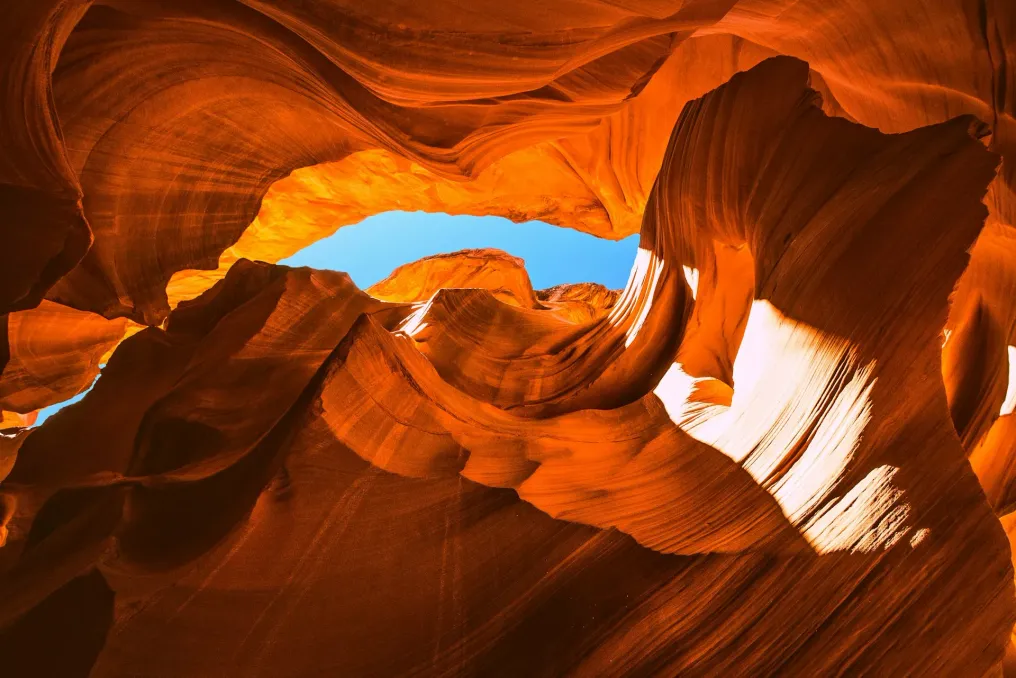
The desert town of Page in Arizona was founded in the 1950s during the construction of the Glen Canyon Dam, but its modern tourist appeal is built around the extraordinary landscapes of the Colorado Plateau. Near Lake Powell, Glen Canyon and Antelope Canyon attract visitors to a landscape shaped by water, wind, and time. The narrow sandstone corridors of Antelope Canyon are particularly famous for their smooth forms and dramatic lighting.