Stellenbosch remains one of the most popular destinations for a short getaway in the Western Cape. This city, which is the second oldest in South Africa, offers not only wine but also many other attractions that reveal themselves with a longer stay.
Narrow streets lined with oaks lead to historic buildings, galleries, and restaurants, and the city itself is surrounded by vineyards and mountains. During a two-day visit, you can leisurely stroll through the historic center, enjoy a long lunch at a winery, explore the vineyards or surrounding mountains, and still have time to soak up the atmosphere of the city itself.
The history of Stellenbosch dates back to 1679, when the Cape governor Simon van der Stel named the island in the Eerste River Stellenbosch. The city is recognized as the second oldest in South Africa, and agriculture in the area began in the same year.
The historic character of the city is evident in its architecture and streets. Parts of the historic center feature buildings in Cape Dutch, Georgian, and Victorian styles, and the oaks have given Stellenbosch the nickname 'Oak City.' Furthermore, the city has developed into a significant educational hub, with Stellenbosch University becoming an integral part of its identity.
Wine has become inextricably linked to this region. Stellenbosch is home to South Africa's oldest wine route, offering over 100 tasting spots across various sub-routes.
However, the history of Stellenbosch is not just a picturesque backdrop; its cultural landscape and architecture reflect past inequalities and divisions in South Africa, which is important to remember when visiting the city today.
You can start with a walk. The center of Stellenbosch is compact enough to explore without a car, and a morning walk will help you feel the place better before heading to the vineyards.
Start around Church Street and wander through the old quarters, paying attention to the Cape Dutch, Georgian, and Victorian architecture. Dorf Street is particularly worth visiting, where historical buildings line one of Stellenbosch's most famous streets.
For a deeper dive into the city's domestic history, visit the Village Museum. It occupies four historic houses, including Schreiderhuis, dated 1709 and considered the oldest documented townhouse in South Africa. These houses offer insight into how daily life, architecture, and fashion changed in the 18th and 19th centuries.
If you prefer stories to come alive during a walk, guided tours are offered in the city, detailing the 350-year history of the city and the people who shaped it.
It is impossible to spend a weekend in Stellenbosch without focusing on the region's wine culture. The Stellenbosch wine route is the oldest in South Africa and is divided into five sub-routes: Greater Simonsberg, Stellenbosch Berg, Helderberg, Stellenbosch Valley, and Botter's Hills. Throughout the region, visitors can choose from over 100 wineries and tasting events.
Instead of trying to cram as many venues in as possible in one day, it is better to choose one or two and dedicate time to enjoying them. The essence of a weekend in Stellenbosch is not about ticking off tasting rooms like a checklist, but about sitting down, taking in the scenery, and truly savoring the wine.
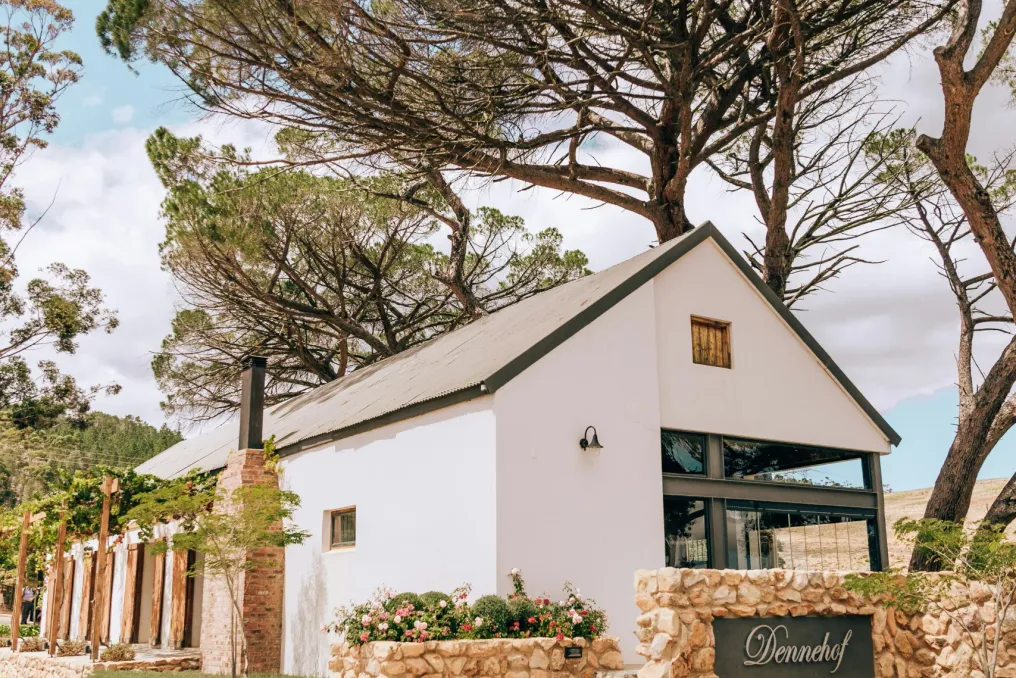
Langehoek Wine Farm is one option that allows you to combine tasting experiences with regional heritage, while estates like Waterford Estate offer a different way to experience the Winelands outside of traditional tastings.
For those who prefer someone else to drive, the Vine Hopper service is available, organizing routes with stops throughout the Stellenbosch wine region, allowing passengers to decide where to stop. And importantly, do not drink and drive. If you plan to visit multiple estates, use the services of a guide, shuttle, or designated driver.
After a day among the vineyards, it is recommended to return to the city center for dinner instead of automatically choosing a restaurant at the winery. Stellenbosch has a gastronomic scene that extends beyond the vineyards, with restaurants, cafes, bars, and other establishments concentrated in the pedestrian center.
Part of the appeal is the ambiance. After a day spent among the vines, it is pleasant to end the day under the old oaks, feeling the evening energy of the city.
The second day should start outdoors. In close proximity to Stellenbosch, the Jonkershoek Nature Reserve offers mountain views, fynbos, and a network of hiking trails. The reserve covers approximately 9,800 hectares, offering routes from short walks to challenging multi-day hikes.
If you want something more accessible, the Tweede Vaal Waterwall trail follows the river to two waterfalls. More experienced tourists can take longer routes, such as the Panorama Trail. Before setting out, check current permit requirements, operating hours, and trail conditions, as some routes have daily limits and specific start times.
If hiking is not your idea of a relaxing break, Stellenbosch has an extensive network of trails through vineyards, forests, and mountainous terrain suitable for walking and cycling. According to Visit Stellenbosch, there are over 1,000 kilometers of such trails in the wider region.
Stellenbosch is becoming increasingly interesting in terms of creativity as well as wine. The Rupert Museum houses a significant collection of 20th-century South African art, including works by artists such as Irma Stern, Walter Bastis, Cecil Scottiness, and Jacob Hendrik Pierneef. The museum also features French tapestries and European works alongside the South African collection.
Another option is the Dylan Lewis Sculpture Garden, where over 60 sculptures are placed in seven hectares of local garden. The landscape combines fynbos and other native vegetation with the artist's works, making the garden itself part of the experience. Visits are available by prior appointment.
Closer to the city is the Riverside Art Mile, an open-air gallery spanning 1.6 km along the Eerste River, where artworks are displayed under trees and on several bridges. It is free to view and easily integrates into a walk through the center.
Before the weekend ends, you can return to the Winelands for a final, relaxed tasting. For example, a safari tour at Jordan Wine Estate combines a vineyard ride with wine tasting and views of the surrounding valleys. The estate's vineyards are situated at different altitudes and orientations, allowing visitors to see the diversity of the Stellenbosch landscape.
Alternatively, you can simply find a tasting room that interests you and linger there. There are enough estates in Stellenbosch so that you don't need to build your itinerary around every famous attraction.
The biggest mistake is trying to do everything. Stellenbosch is close enough to Cape Town for a popular day trip, but two days completely change the pace. The city center is walkable, while the vineyards and nature reserves are close enough to build a weekend combining diverse experiences.
If wine is your priority, arrange transport between estates instead of driving after tastings. If history interests you, allocate at least a morning in the city center. And if you want to see another side of Stellenbosch, substitute one tasting for a hike, bike ride, museum visit, or sculpture garden visit.
The region also changes significantly depending on the season. February to April brings harvest activity, while October and November offer spring landscapes and generally fewer crowds. Winter is quieter, with cooler weather and a slower pace in the valley.
Stellenbosch can be easily reduced to wine, as it is what made the city famous far beyond Cape Town. But if you dedicate 48 hours to it, the picture becomes fuller. There is wine, certainly, but also 350 years of history, old streets under oak trees, museums and galleries, mountain trails, restaurants, and a developing university town.
This is what makes Stellenbosch worth visiting. You don't have to rush from one attraction to the next. The best moments of the weekend might be those pauses between them: a leisurely stroll through the old center, lunch overlooking the vineyards, a mountain rising outside the city, or a last glass of wine as the evening light settles over the valley.