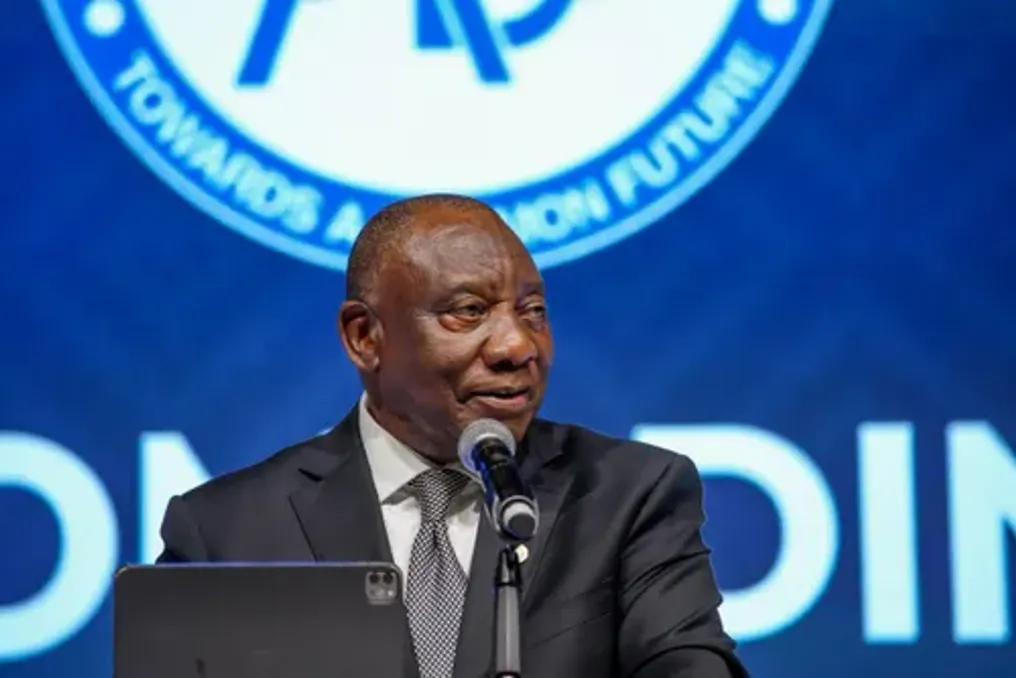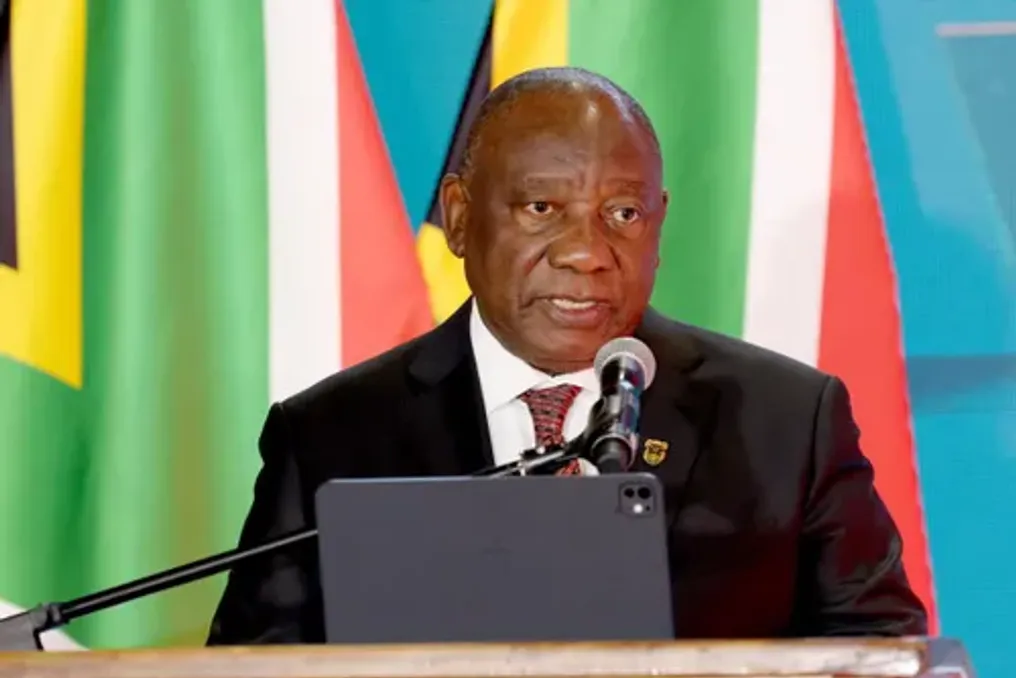
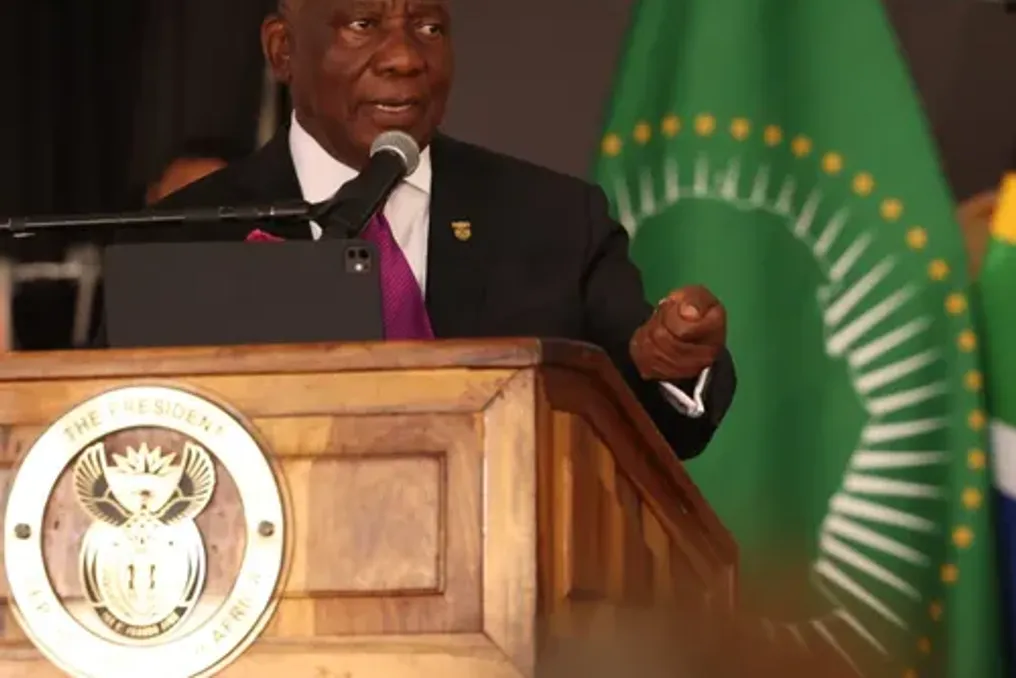
President Cyril Ramaphosa addressed the 46th SADC summit in Etkutwini, warning that regional integration is progressing too slowly. He called for the decisions made to lead to job creation, industrial development, and overall progress.
Ramaphosa noted that despite decades of efforts to deepen economic cooperation, intra-regional trade accounts for only about one-fifth of the bloc's total trade. Speaking at the 46th ordinary summit of SADC heads of state and government in Etkutwini on Monday, he reported that the region achieved economic growth of approximately 3.4% in 2025, but has not yet realized the full potential of its regional market.
The President emphasized that SADC countries continue to import goods that could be produced within the region, and they also export raw materials that could be processed locally. He added that services are procured from external suppliers, even though local people and businesses possess the necessary skills and potential to provide them.
More than 400 million people in the region expect economic integration to translate into jobs, industrial development, and improved quality of services. Ramaphosa stated that the population demands 'dividends of economic liberation,' including decent employment, production growth, reliable electricity supply, affordable food, quality healthcare, education, and opportunities for youth.
The President called for the accelerated implementation of the Regional Indicative Strategic Development Plan for the period 2020–2030, focusing on infrastructure, energy, water supply, digital communication, agriculture, and trade. He pointed out that SADC needs roads, railways, and modern ports connecting countries and opening up opportunities for rural communities, border towns, and underserved areas.
Furthermore, Ramaphosa called for strengthening regional cooperation on energy and water security, including expanding power generation and transmission capacity through the Southern African Power Pool. He insisted that every citizen must have access to safe water and proper sanitation.
It was also noted that SADC should more actively utilize the African Continental Free Trade Area, which will give regional businesses access to a continental market of over 1.4 billion people. However, this requires eliminating non-tariff barriers, improving border management, harmonizing standards, and simplifying the movement of goods, services, capital, and labor across the region.
Ramaphosa stressed that the success of the regional integration agenda will depend on the actual implementation of the decisions made. He stated that resolutions must be implemented, properly costed, financed, assigned, and monitored. He specified that communiqués must turn into construction sites, factories, power lines, water systems, laboratories, enterprises, and jobs, and that regional integration must be tangible in the daily lives of ordinary people.
The President also warned that economic development cannot be separated from peace, security, and democratic stability. He stated that 'peace without development is fragile, and development without peace is impossible.' Ramaphosa called for continued investment in preventive diplomacy, mediation, and political dialogue, as well as strengthening regional institutions.
He added that greater regional integration will not diminish the sovereignty of individual countries but will strengthen their collective ability to improve citizens' lives. Ramaphosa concluded that the summit should be judged by the implemented decisions, not just by the declarations made, and it should bring SADC closer to the goals outlined in the SADC Vision 2050, aimed at creating a peaceful, inclusive, competitive, and prosperous region where no one is left behind.