For nature conservation specialist Dr. Dharmendra Khandala, a journey of over 1200 kilometers meant dedicating his life to saving the vultures and tigers of India.
In 2002, wildlife specialist Dr. Dharmendra Khandal undertook a solo motorcycle journey of over 1200 km from Mumbai to Churu, Rajasthan. During this trip, he documented the rapid decline in vulture populations in India.
Vulture populations in India dropped by more than 95% during the 1990s due to poisoning with diclofenac in livestock. His research supported conservation initiatives that subsequently led to the establishment of vulture conservation and breeding centers across the country.
Thanks to species studies, his work expanded to include tiger protection, habitat preservation, and local community rehabilitation. He chose a career in wildlife instead of his family's construction business, inspired by nature defenders such as Bibhas Amankar, Isaac Kehikmar, and Shubhalakshmi.
He later joined the organization Tiger Watch in Ranthambore as a field director under Fateh Singh Rathore. When Dr. Khandal started working in Ranthambore, the reserve had only 18 tigers in 2005.
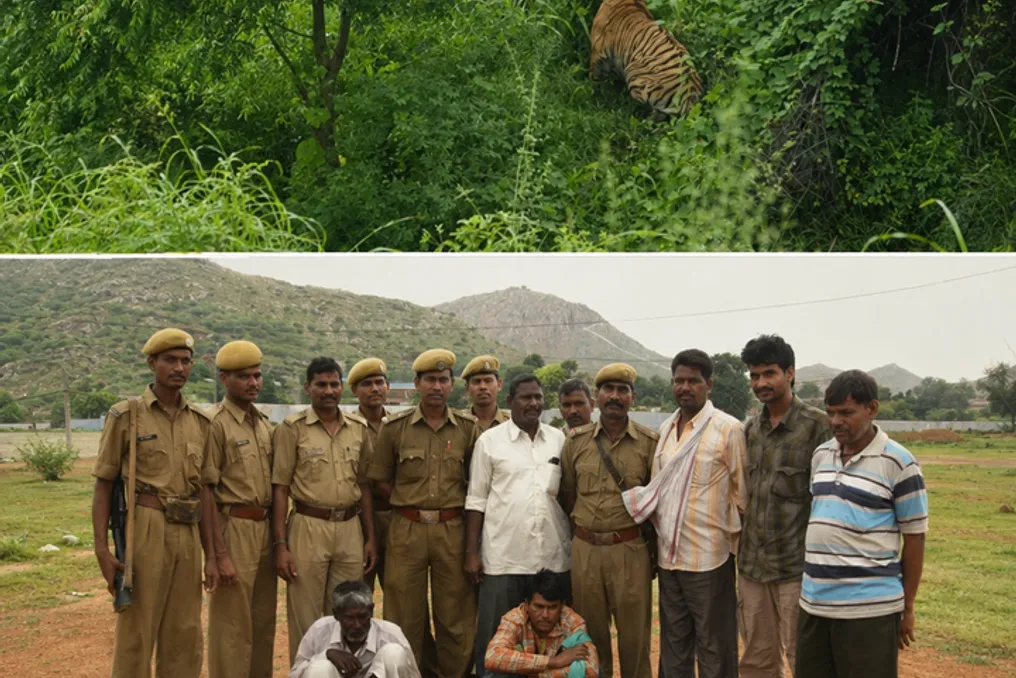
Through efforts in protection, monitoring, and anti-poaching, the population reached approximately 70 individuals by 2020. Dr. Khandal believed that sustainable conservation requires a change in mindset, not just arrests of poachers. Through Tiger Watch, he collaborated with the Mogiya families to expand access to education, skills, and alternative sources of income.
Dr. Khandal also established an anti-poaching intelligence network that helped uncover wildlife trafficking. These efforts led to the confiscation of significant amounts of wildlife contraband and the arrest of organized poachers.
His work also covers the study of leopards, invasive plant research, wildlife surveys, and vulture conservation across western India. Today, Dr. Dharmendra Khandala leads Tiger Watch in Ranthambore. His activities, from cycling across India for vultures to protecting tigers and reforming communities involved in poaching, demonstrate that conservation starts with people as much as it does with wildlife.