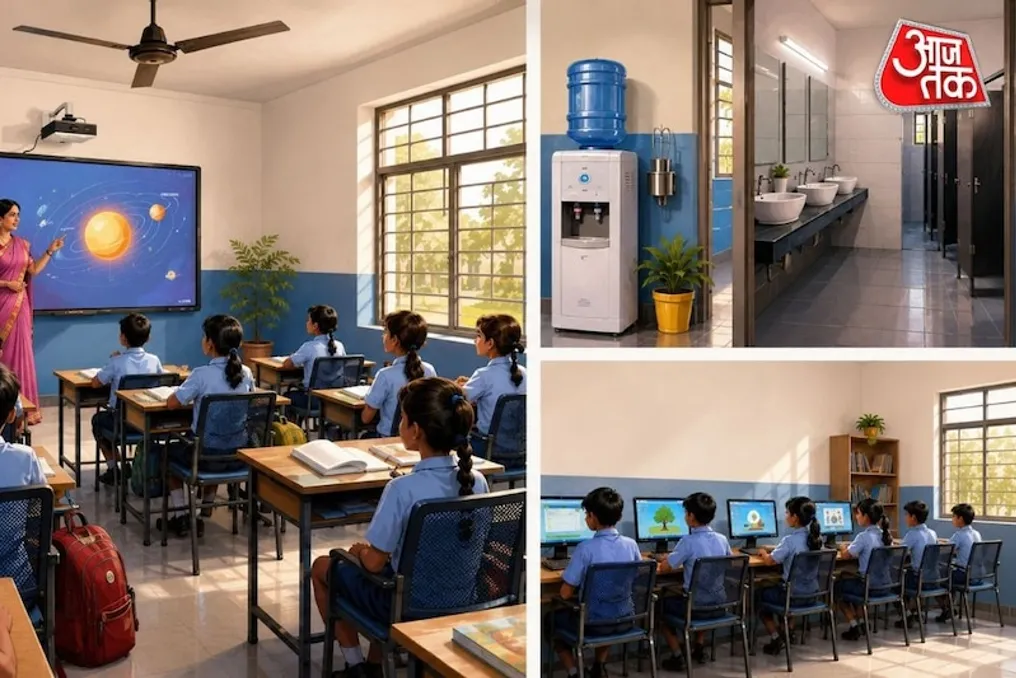
A wave of protests is being observed in various parts of the country among Generation Alpha, those born after 2010. This new cohort refuses to accept the existing system, demanding improvements, whereas previous generations accepted the prevailing situation as a given. The issues range from teacher shortages and dilapidated buildings to poor nutrition and lack of basic infrastructure.
These demonstrations lead children to leave classrooms and take to the streets. Notably, the resolve of these children is having a significant impact on the system: officials are rushing to respond, documents are being expedited, and demands are often met in the shortest possible time.
Several examples of such protests are provided:
In Lakhnau, hundreds of students from Jaiprrakash Narayan School in Dubagga took to the streets three days ago. When their demands were not immediately met despite assurances, they gathered again in the square, blocking the Dubagga road in protest against the lack of teachers. Police arrived at the scene to calm the students and restore traffic flow. This anger demonstrates that modern students are no longer willing to rely on adults.
Around 50 female students from the tribal hostel in Sirohi suddenly headed to the District Magistrate's office. They stated that they were not being provided with quality food, and the living and sanitary conditions were unsatisfactory. After discussing the complaints with the students, the collector appointed an immediate commission to investigate the situation.
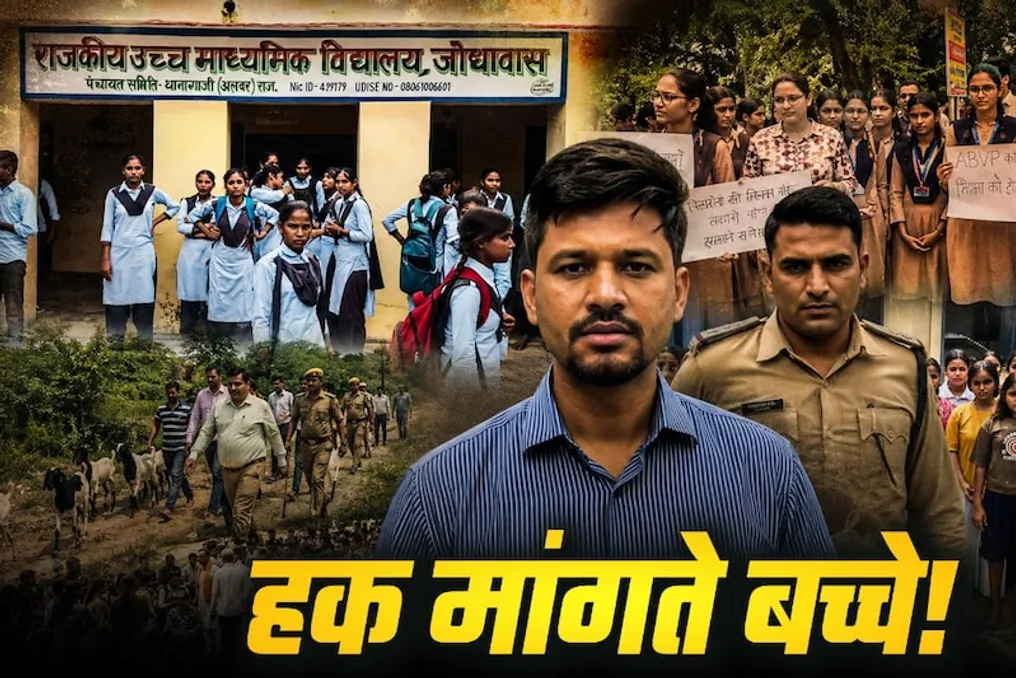
At Jodhavas School in Tanagadi, Alwar, students protested over demands including a new building, toilets, water supply, and a library. During the demonstration, a clash occurred between CJP activists and local residents, after which the police took control of the situation. The students ended their sit-in strike after receiving monthly promises from the administration.
In Kannauj district, UP, Gen Alpha students expressed dissatisfaction with the poor state of the education system and barricaded themselves in a classroom. After a video recording of the protest went viral, the district magistrate (DM) himself arrived at the scene. These students from Jawahar Navodaya Vidyalaya voiced disagreement regarding basic amenities, food, and teacher conduct.
Gen Alpha students protested here over a teacher transfer. When the road was blocked, the block development officer (BDO) arrived at the scene. The students accused him of slapping them. The protest against the transfer of teacher Malaya Singh continued for the third day, and the road remained blocked. After the BDO tried to calm the demonstrators, one student accused him of slapping them, leading the students to vandalize the vehicle and demand action.
In Hamirpur district, UP, Gen Alpha protests had such an effect that high-ranking officials visited the village. Following the students' demonstration in front of the collectorate, the administration began taking action. Officials ADM, SDM, as well as representatives from the Public Works Department (PWD), visited Chandupur village, inspected the road, and accelerated its construction process.
In Vidisha, schoolgirls were outraged by the increase in bus fares and staged an active protest at the Sirondj bus station. Students from the girls' senior school in Sirondj protested for about half an hour, demanding that the local representative lower the fare.
In Sandavata, Rajgarh, hundreds of students from PM Shri School and the girls' school held a two-hour blockade in front of the school, demanding the closure of a liquor store located opposite and the installation of speed bumps. The protest concluded after the administration promised to take action within a month, but ABVP warned of intensified protests if the demands were not met.
It can be argued that this is a new phase in Gen Alpha's protest activity. These children do not intend to simply go home relying on formal promises; they know how to assert their rights. When a teacher is absent from the blackboard in class or the food in the dormitory is of low quality, they start acting.