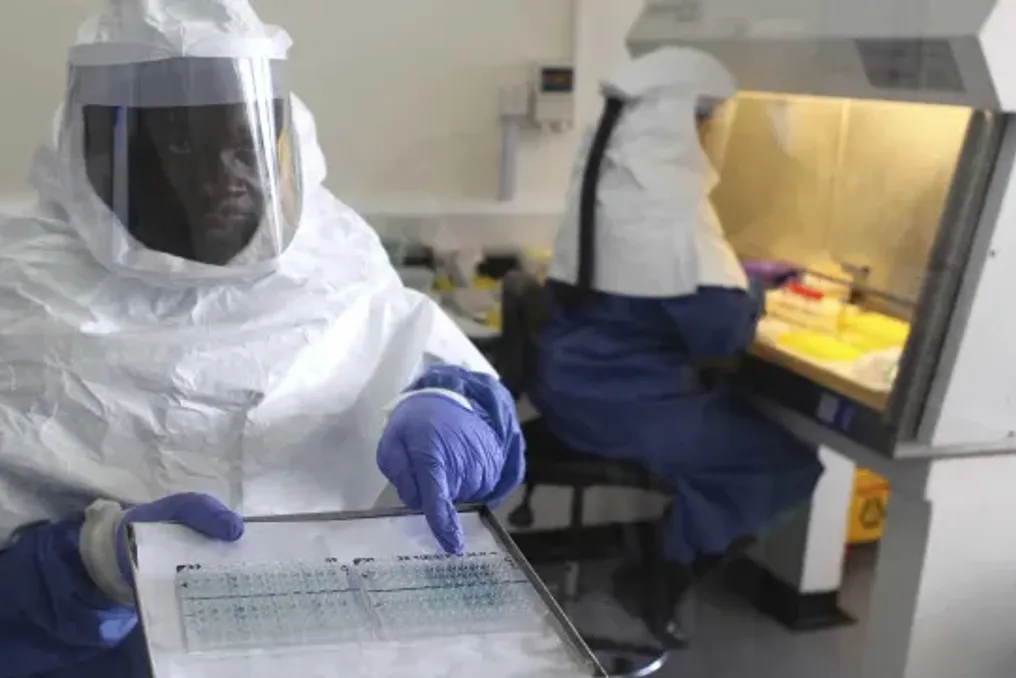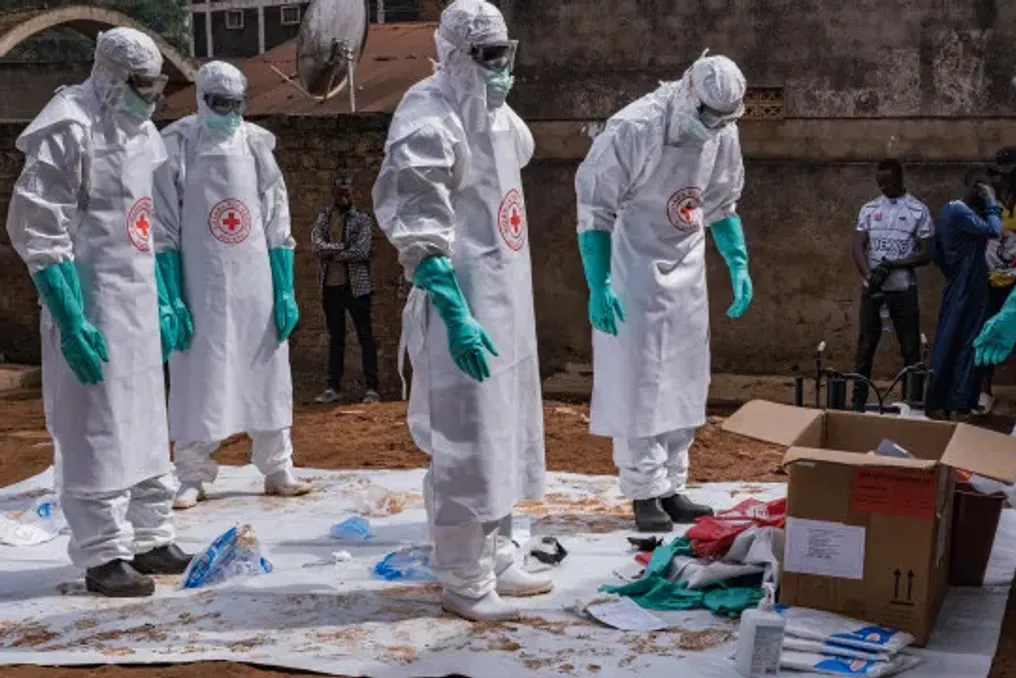
The current Ebola outbreak in the DRC has reached a total of 4,945 confirmed cases, surpassing the figures for both infections and mortality of the outbreak in eastern DRC between 2018 and 2020, which resulted in 2,299 deaths and 3,481 cases.
Nevertheless, this outbreak still falls short of the deadliest registered outbreak to date, which occurred in West Africa in 2014–2016, when 11 thousand deaths and 28 thousand infections were recorded.
The number of deaths in the current epidemic is being reached almost three times faster than in the 2014–2016 outbreak, which is considered the worst in history.
The epidemic is spreading under difficult conditions: strikes among unpaid healthcare workers, threats from rebel groups, resentment from long-traumatized communities, and disinformation claiming that Ebola is not real.
To date, six out of 26 Congolese provinces have been affected by the disease.
According to the latest information provided by the WHO, the virus began circulating in eastern DRC in February, although a study published in the journal 'Science' at the end of July suggested that the first infections might have occurred even earlier, at least in January.
After the epidemic was declared in Ituri, the virus spread to neighboring Uganda. Uganda declared itself 'Ebola-free' on July 28 after registering 20 confirmed cases, including 15 cases recognized as imported from the DRC, among which two deaths were recorded.
The epidemic is linked to the Bundibugyo strain, whose fatality rate ranges from 30% to 50%. According to the WHO, there is no approved vaccine or specific treatment for this strain.
The Ebola virus is transmitted through direct contact with the bodily fluids of infected people or animals and causes severe hemorrhagic fever accompanied by fever, vomiting, diarrhea, and internal bleeding.