In 2026, the focus in artificial intelligence shifted: users began to be interested not only in model parameters but also in how AI could increase productivity. China chose the path of spreading AI through industries in the form of low-cost and reproducible foundational capabilities that promote industrial growth, rather than turning it into a closed, high-margin industry controlled by a few giants. JD.com is the most prominent example of this approach.
Richard Liu, founder and chairman of the board of directors of JD Group, stated at the APEC Business Leaders Forum in 2026 that the essence of technological barriers lies in technological exploitation, which contradicts JD's philosophy. He also announced the intention to open his fully self-developed AI system to global partners. R&D investments grew by 53.2% compared to the previous year, accelerating over three quarters, with the goal of creating a world-class foundational model matrix and transferring AI from the digital world to the physical one.
JD does not view AI as a separate high-profit business: some models are made available openly on Hugging Face and GitHub platforms, the digital human streaming service is free for over 80,000 sellers, and the largest human-reviewed dataset is also open.
With over twenty years of experience in warehousing, retail, and logistics, JD is building a fully controlled infrastructure for industrial AI. Liu revealed plans to collect over 10 million hours of first- and third-person real-scene video recordings worldwide to create a world-renowned embodied dataset. JD is building the world's largest embodied data collection center, including the country's first embodied data collection community in Suqian, the open-source EgoLive dataset with human review, and high-precision industry datasets available to universities and developers. Furthermore, the company has opened the JoyAI-Echo long-video generation framework, the JoyAI-VL-Interaction real-time vision and language model, and the JoyAI-Video-Edit real-time video stream editing model.
The RoboBase project began construction in Guangzhou in the second quarter, creating an industrial infrastructure for the full lifecycle of robots within the JD business ecosystem, with plans to establish over 80 such bases across the country within five years. JD Logistics launched a rapid response robot for professional repair and established JoyRobocare centers in the UK and Germany. The company's physical AI now covers a closed loop of research, production, application, and maintenance.
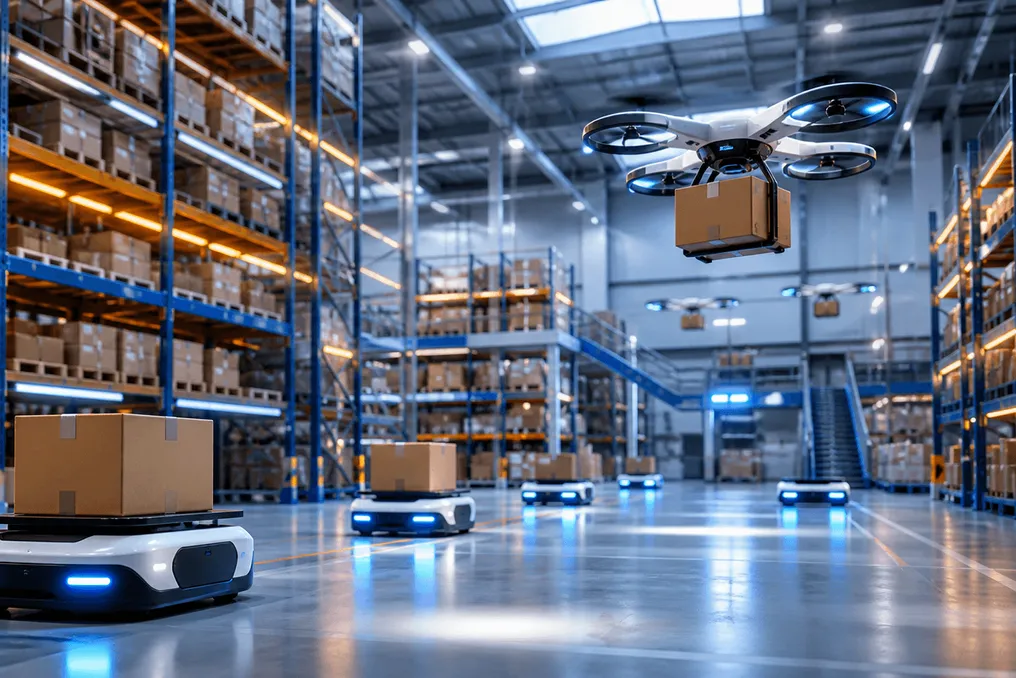
In the logistics sector, JD's fleet of embodied robots covers the entire range of tasks—from warehouse storage to last-mile delivery. The Zhilang goods-to-person system operates in over 60 warehouses and has been exported to the UK and Germany. The Yilang robot with two manipulators can perform recognition, grasping, and stacking in 10 seconds; over 1,000 unmanned vehicles serve more than 20 provinces; and in Sichuan, there is the largest drone delivery network in China, providing delivery to mountains in 7 minutes across 78 villages. In the industrial services sector, JD's industrial AI agents serve over 3,000 manufacturers, reducing data management times from months to hours. The digital human JoyAvatar has served over 80,000 sellers, and the number of live stream accounts tripled in the second quarter compared to the previous year. JD also launched the Aidol Creation Camp with partners, helping to bring over 50 pieces of AI hardware to market.