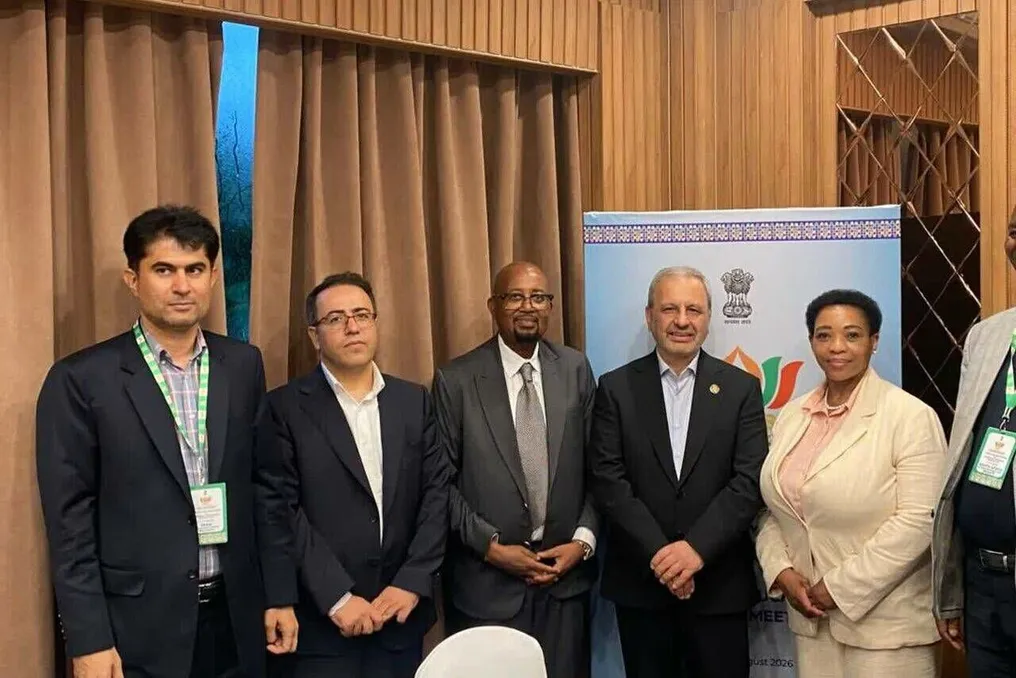
The Acting Minister of Science, Research and Technology of Iran, Masoud Shams-Bakhsh, held separate meetings with representatives from Indonesia and South Africa to explore opportunities for developing scientific and technological interaction.
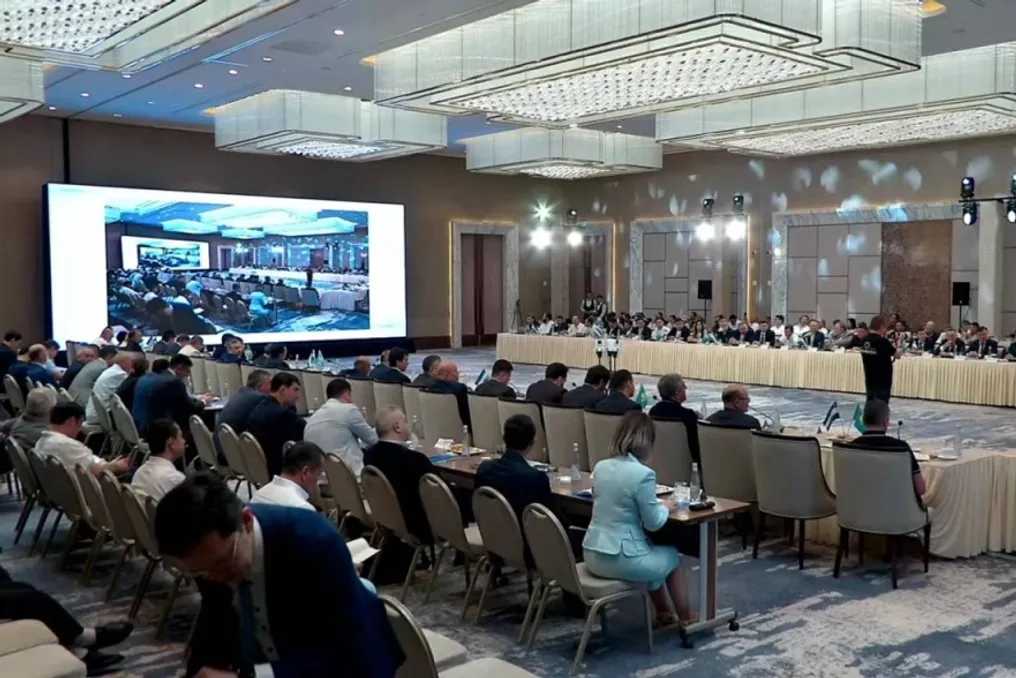
The meetings took place on the sidelines of the 13th BRICS Ministers of Education meeting, which was held from August 5 to 7 in Odisha, India. During negotiations with the Indonesian Minister of Higher Education, Science and Technology, Brian Yuliarto, the parties discussed ways to develop joint scientific projects, especially in the field of new technologies.
Yuliarto spoke about Indonesia's scientific potential, particularly in the fields of science, technology, engineering, and mathematics, and expressed Jakarta's readiness to implement joint research programs, faculty and postgraduate exchange, provision of research leave, and organization of short-term courses jointly with Tehran. The Indonesian official invited the Minister of Science, Research and Technology, Hossein Simai-Sarraf, and Shams-Bakhsh to visit Indonesia.
For his part, Shams-Bakhsh emphasized that the long-standing cultural, historical, and religious ties between the two countries create a solid foundation for expanding educational and research cooperation. The main areas of discussion included increasing the number of scholarships, expanding scholarship exchange programs, developing joint educational courses, conducting research on climate change, food security, renewable energy, and agriculture. The parties also considered the possibility of including more Iranian universities in the BRICS University Network, based on Indonesia's experience, and noted the need to sign a memorandum of understanding for the prompt implementation of the agreements reached.
On July 15, the National Iranian Science Foundation (INSF) and the Indonesian National Research and Innovation Agency (BRIN) held a joint webinar titled 'Developing Scientific Research Cooperation between Iran and Indonesia: Strategic Opportunities Ahead.' The event featured presentations by INSF President Mortezah Hormozinejad and Deputy Chairman for Research and Innovation Promotion Agus Haryono. Experts and professors from both countries also gave lectures on health, water security, and environmental sectors. The event promoted scientific ties and the development of joint projects between Iran and Indonesia.
In December 2025, the Indonesian Ambassador to Tehran, Rolliansya Soemirat, stated that the new Indonesian government intends to develop scientific and technological ties with Iran, noting Iran's extensive capabilities in science and technology. According to Soemirat, the administration expects to expand international cooperation, especially in science and technology, which opens up new opportunities for interaction focused on technology exchange and new developments, as well as strengthening technological partnership. He made these remarks during a meeting with Hossein Rouzbakhsh, head of the Organization for the Development of International Cooperation in Science and Technology. Mentioning his visit to the Iranian House of Innovation and Technology (iHiT) exhibition, the ambassador noted that the exhibition only demonstrates a part of Iran's potential in science and technology, confirming Iran's status in the global science and innovation ecosystem. He also stressed that Iran (over 90 million people) and Indonesia (about 280 million people) represent a large market for technological products and services, which is an important factor for advancing bilateral relations. Soemirat highly praised the opening of the iHiT branch in Jakarta, stating that the center could become the basis for future partnerships in the technological field.
Meeting with the South African Delegation
Shams-Bakhsh also met with Nomusa Dube-Nkube, Deputy Minister of Higher Education and Training in South Africa. The parties emphasized the need to activate scientific and technological ties and discussed ways to improve cooperation in various research and educational fields. Dube-Nkube outlined South Africa's potential and interests in education, expressing the country's readiness to strengthen ties with Iran in joint research, faculty and postgraduate exchange, provision of research leave, and organizing short-term educational courses. Shams-Bakhsh, in turn, discussed opportunities for Iran's participation in initiatives led by South Africa, including the G20 Education Working Group and cooperation in recognizing academic qualifications. Both sides expressed interest in developing cooperation in areas of mutual interest, such as mining, metallurgy, and renewable energy, and committed to developing a joint cooperation agreement in the near future.
The 13th BRICS Ministers of Education meeting gathered ministers of education, high-ranking officials, and delegates from all 10 BRICS member countries—Brazil, Russia, India, China, South Africa, Egypt, Ethiopia, Indonesia, Iran, and the United Arab Emirates—to deepen cooperation within the BRICS education track. The meeting concluded with the adoption of the BRICS Ministers of Education Declaration, which affirmed education as a key pillar of BRICS cooperation and outlined a general action plan across five priority areas under India's chairmanship in 2026. These five areas include strengthening early childhood and basic literacy, enhancing cooperation in skills development and vocational education, improving research, innovation, and startup ecosystems, promoting mutual recognition of qualifications, and building capacity for academic leadership and institutional development.
BRICS as a platform for expanding research cooperation. One of the main areas of BRICS activity in 2025 was the development of joint research projects among member states in fields such as artificial intelligence, healthcare, clean energy, food security, quantum technologies, data science, and advanced materials. Iran's membership in this network provides significant opportunities for scientists and researchers to participate in international projects. In 2025, BRICS countries discussed creating data infrastructure, exchanging supercomputing capabilities, forming joint scientific networks, and using new technologies to solve global problems. Iran, possessing capabilities in AI, data processing, and knowledge-based companies, aims to gain a larger share in future BRICS technological projects. The BRICS Action Plan for Innovation 2025–2030 is a document defining the roadmap for cooperation among member states in the digital economy, technology transfer, support for knowledge-based companies, and the development of an innovation ecosystem. Iran's participation in this plan can open the way for the exchange of technical knowledge, improvement of industrial cooperation, and entry of Iranian knowledge-based companies into new markets. The report also indicates that human capital and innovation are among BRICS' main priorities; key events in this area include the Xth Young Scientists Forum, the VIII BRICS Young Innovator Award, and the first BRICS Startup Forum. Iran's membership in BRICS can bring numerous benefits, such as broader access to international scientific and research networks, participation in joint projects, increased technological and industrial cooperation, utilization of the technology transfer network potential, development of the knowledge-based company market, and attracting investment in technology and innovation sectors. The report highlights AI, biotechnology, nanotechnology, quantum technologies, the digital economy, and space technologies as the most important axes of future cooperation between Iran and BRICS countries. It also calls for promoting scientific links between universities, research centers, knowledge-based companies, the private sector, and executive bodies to create a national coordination mechanism that strengthens cooperation with BRICS countries.