When the rains arrive, your next gardening project might be right in your kitchen. A piece of ginger starting to sprout, a turmeric rhizome hidden in the corner, or basil growing on the balcony can become part of a small monsoon garden. These familiar plants have held a place in Indian traditions for generations, especially when coughs, colds, and sore throats appear.
Below are six types that you can grow at home, even with just a few pots and a sunny spot.
Basil
Few plants are as closely associated with the Indian home as basil. Traditionally, its leaves are used in warm drinks and home remedies for coughs, colds, and sore throats.
How to grow basil:
Basil requires plenty of sunlight and well-drained soil. The soil needs to be kept slightly moist, but avoid waterlogging around the roots. Periodic pruning of the top flower buds promotes bushier growth.
Ginger
A small piece of ginger sitting on the kitchen counter can turn into a plant with surprisingly little effort. Ginger has long been used in monsoon season drinks, especially warm preparations with ginger, honey, or spices.
How to grow ginger:
Plant a fresh piece of ginger with several healthy buds in loose, well-drained soil. Keep it in a warm place with indirect or diffused sunlight and water when the top layer of soil begins to dry out.
Turmeric
Turmeric is another kitchen staple that can be grown from what you cook. Its rhizomes have traditionally been used in warm drinks and home mixtures during cold and damp months.
How to grow turmeric:
Plant a healthy turmeric rhizome a few centimeters below loose soil, pointing the buds upwards. The plant likes warmth, humidity, and partial shade. The monsoon season is a good time to start growing, provided the pot has good drainage.
Mint
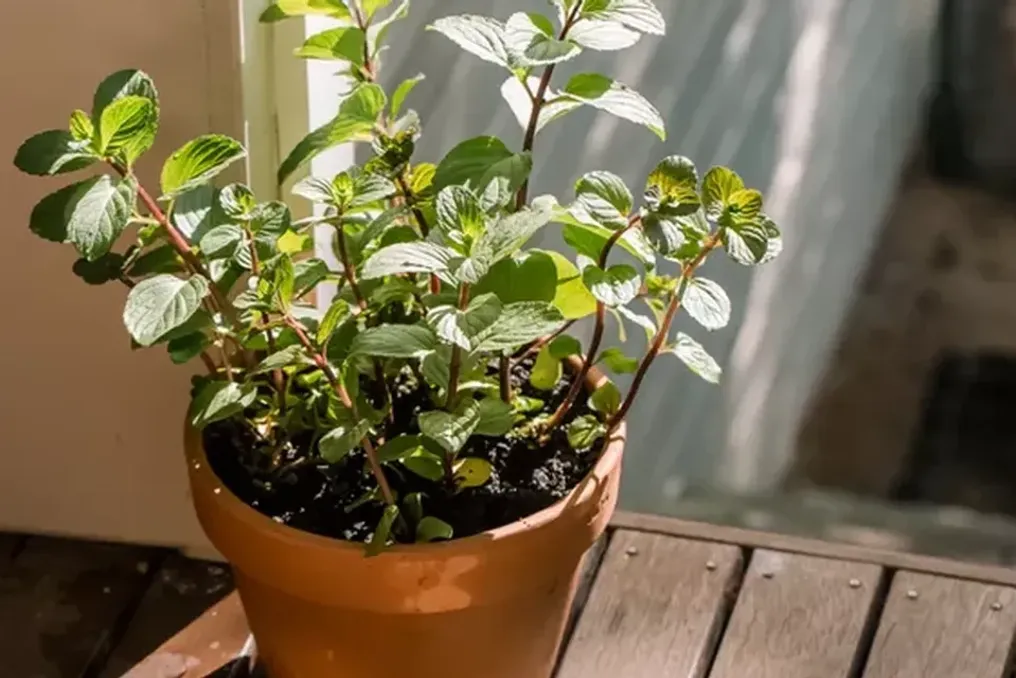
Mint is one of the easiest herbs to keep, and its fresh, cooling aroma makes it a favorite ingredient for tea and homemade infusions. Traditionally, mint has also been used in drinks prepared during seasonal colds and coughs.
How to grow mint:
Give mint its own pot, as it spreads quickly. Several stems placed in water can develop roots before being transplanted into soil. Keep it moist and provide morning sun or bright, diffused light.
Ajwain
Ajwain may be better known for its tiny seeds than its leaves, but the plant itself can find a place in the home garden. Its seeds have traditionally been used by families in warm preparations during bouts of cold and seasonal discomfort.
How to grow ajwain:
Sow ajwain seeds in loose soil and place the pot where it receives a few hours of sunlight. Water moderately and allow the soil to drain well, especially during heavy monsoon rains.
Lemongrass
A bunch of lemongrass can turn into an abundance of fragrant stalks with almost no fuss. Its leaves are often used to make warm herbal teas, especially when the weather becomes cool and rainy.
How to grow lemongrass:
Take a fresh stalk, keeping part of the base, and place it in water until roots appear. Transplant it into a sunny pot with rich, well-drained soil. It likes regular watering but does not tolerate standing water.
A Garden for Rainy Days
You do not need a large backyard to grow these plants. A sunny balcony, windowsill, or a few pots near the kitchen will be enough to start a small monsoon garden.
The point is not to turn your garden into a pharmacy. It is about having several familiar herbs on hand—plants that have been part of Indian cuisine and domestic traditions for generations, and which make the rainy season a little greener.