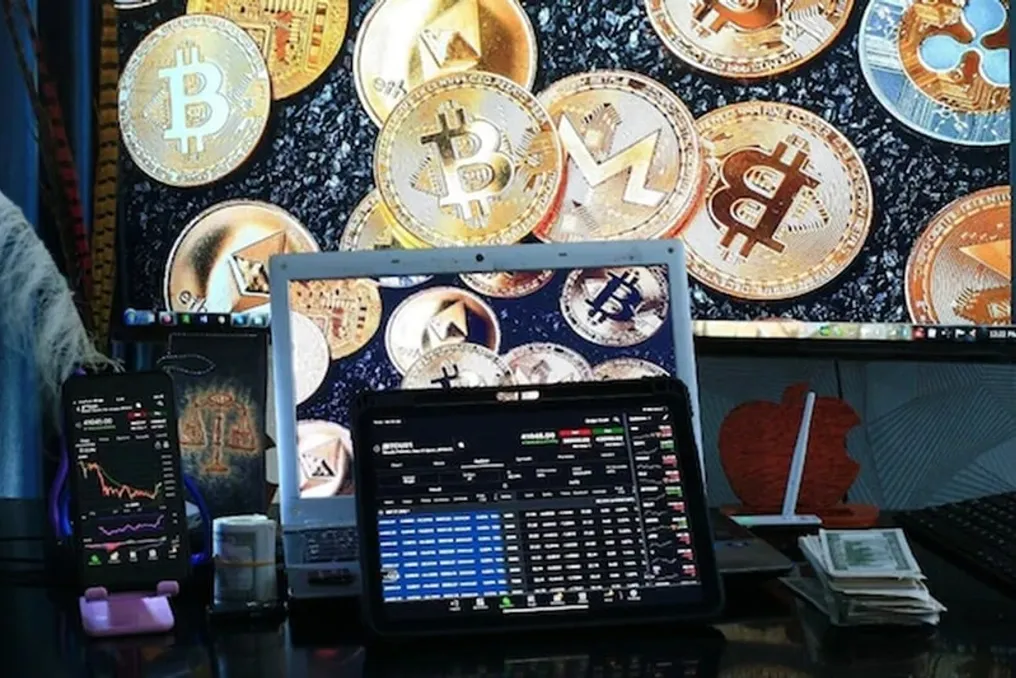
The traditional formula for wealth creation for investors in India is gradually transforming. Although stocks, fixed deposits (FDs), gold, and real estate still form the basis of most portfolios, they are being replaced by new asset classes such as private credit, structured bonds, real assets, international investments, and cryptocurrencies.
Experts note that old investment options are not disappearing but rather becoming more diversified within investors' portfolios. One of the key factors driving this change is the changing profile of the investors themselves. Today, people are starting to invest at a younger age and have more sources of financial information. The increased use of digital financial products has also simplified access to new investment opportunities.
According to Minhal Thakral from CoinDCX, traditional assets will retain their role as the foundation of investment portfolios. Nevertheless, among investors under 35, there is heightened interest in global and high-growth asset classes, with cryptocurrencies being a prime example of this growing demand.
Minhal Thakral asserts that crypto investors are becoming more mature, and their focus is shifting towards established tokens like Bitcoin and Ethereum. She notes that until 2021, cryptocurrency was associated exclusively with meme coins for many Indian investors, but this view is changing. In her opinion, cryptocurrency is evolving similarly to how the stock market in India has gradually matured. There is a growing trend toward disciplined investment in crypto assets through small amounts, reminiscent of the rise of SIPs in mutual funds.
Experts believe that in the future, wealth creation will not depend on a single type of asset. Investors now have access to international assets and various alternative investments that were previously available mainly to institutional investors. Minhal Thakral emphasizes that portfolio balancing has become a much more critical task. Investment allocation should be based on an individual's risk tolerance, financial goals, and time horizon. Cryptocurrency should be viewed not as a speculative bet, but as an integral part of a larger financial plan.
Thakral insists that before investing money in any asset, one must understand its operating principle. She provides examples: Bitcoin is characterized by a limited supply and a scarcity-based structure, whereas Ethereum supports smart contracts and decentralized applications. The expert warns that one should not invest in an asset solely because it is trending; investing in an asset without understanding it, based only on market growth, can increase risk.
Interest in alternative investments is not limited to young investors. Chirag Mehta, Director of Investments at Quantum Asset Management Company Private Limited, reports that High Net Worth Individuals (HNIs) and family offices are also turning to private credit, structured bonds, and real assets. He points out that AIF obligations have multiplied over the last decade, exceeding 12 trillion rupees. A significant portion of this growth came from AIF Category II, which includes strategies similar to private credit and real estate. According to Mehta, this shift is driven by the need for portfolio diversification, increased investor awareness, and improved access to investment structures.
Chirag Mehta also explains that not all alternative investments require locking up funds for a long period. The company Arbor focuses on Non-Convertible Debentures (NCDs). He considers secured debt instruments an option for real estate investment that can fill the gap between FDs and equity funds in terms of risk and return. However, he cautions that risks exist even in such investments, and there are no guarantees of returns.
Real estate investment is no longer limited to direct ownership of properties. Chirag Mehta reported that Arbor is in the process of launching a regulated SEBI AIF Category II. The proposed fund will focus on opportunities in development and private equity in fast-growing markets. The firm targets an IRR in the medium to high range, but this is not guaranteed profit. The company's priorities are rigorous underwriting, active participation in the development lifecycle, and value creation.
Experts conclude that the growing popularity of new asset classes does not mean that traditional investment instruments have become obsolete.