A joint cross-border marine carbon project using algae between China and the Solomon Islands has resulted in the accumulation of 2951 tons of carbon sinks, marking a new stage in international marine carbon cooperation in Zhangzhou.
This project is overseen by the Zhangzhou Municipal Ocean and Fisheries Administration, located in southeastern Fujian Province, China. It was jointly planned with Pacific Trade Invest China and implemented by local enterprises with technical support from the Third Institute of Oceanography of the Ministry of Natural Resources. The project results were presented during the Fujian National Ecology Day events in 2026.
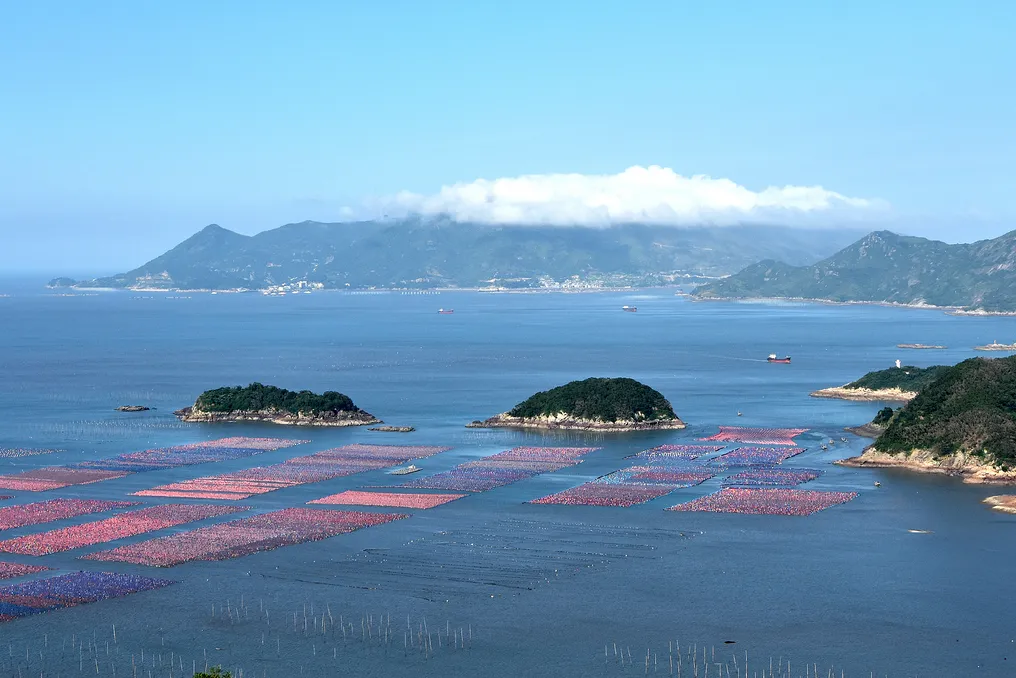
The project utilizes Zhangzhou's experience in developing carbon sinks for seaweed aquaculture in the Solomon Islands. This creates a model that combines Chinese technology, foreign resources, and global markets. These carbon sinks have been registered with the Zhangzhou Municipal Ocean and Fisheries Administration and entered into the Xiamen Property Rights Exchange Center.
The first transaction involved 61 tons valued at 6000 yuan (approximately 890 US dollars), which was used for a carbon neutrality project for one high-speed ferry trip to Pintan, Fujian. The project establishes a cross-border system for accounting, traceability, and trading carbon sinks, allowing Zhangzhou's experience to be applied in foreign aquaculture areas.
Zhangzhou is a pioneer in developing aquaculture carbon sinks. In 2023, the city launched the first city-level aquaculture carbon sink development project in China, which provided 244,000 tons. In 2024, the first cross-border marine carbon project with Indonesia was completed, covering 878 tons. In the first half of 2026, the first city-level resource database for aquaculture carbon sinks in China was established.
The latest initiative expands cooperation from carbon sink trading to aquaculture, processing, and carbon sink development, thereby strengthening maritime interaction between Fujian Province and the Solomon Islands.