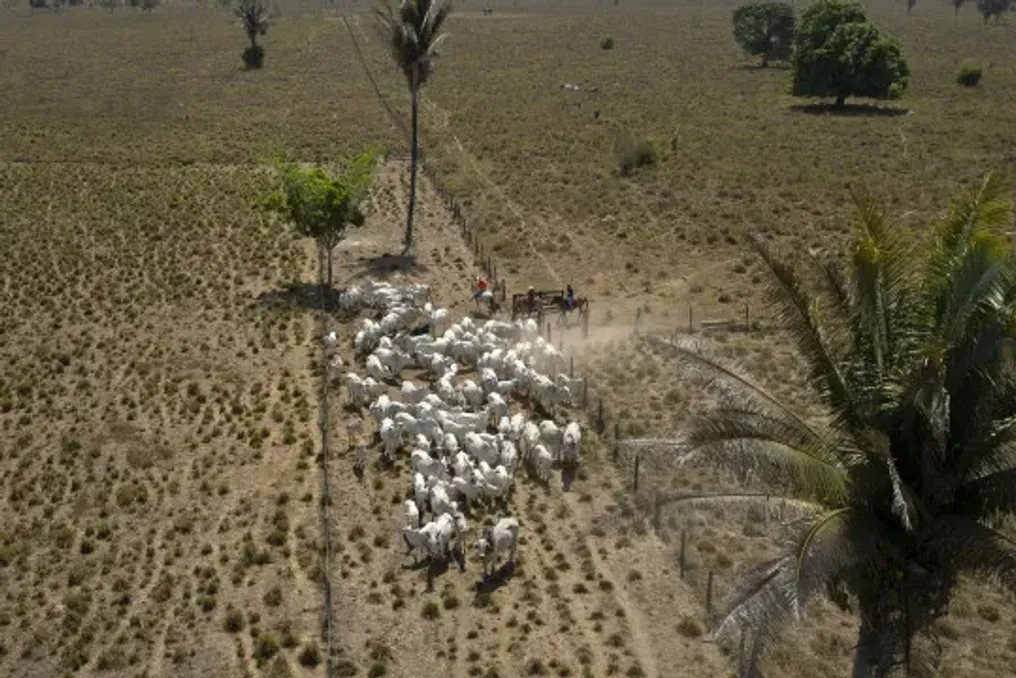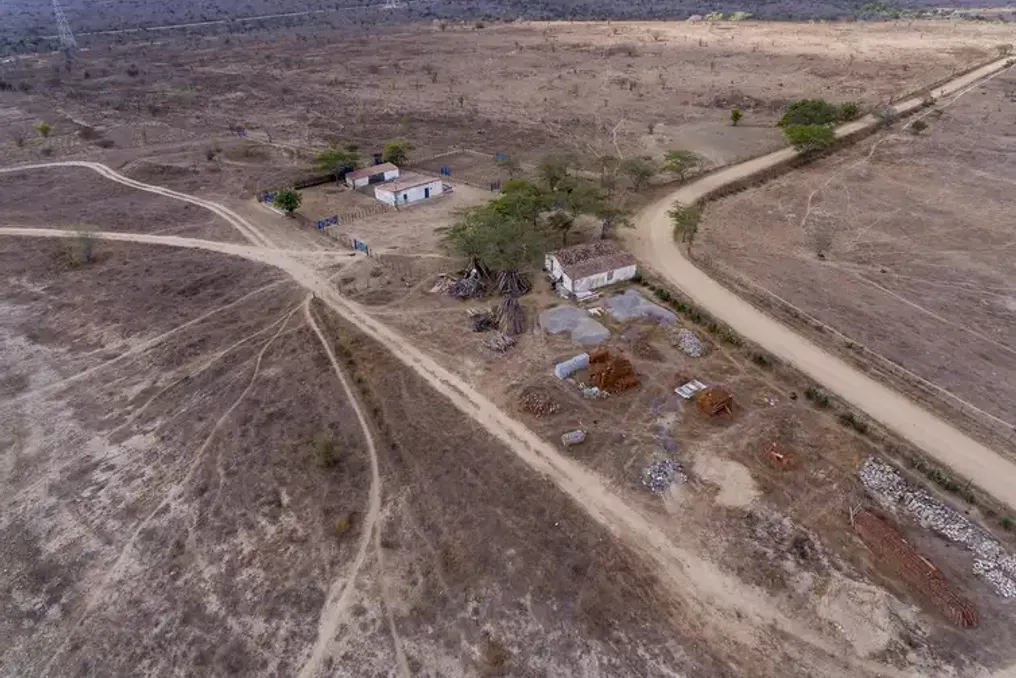
The process of desertification, which goes beyond the image of dunes like the Sahara, refers to environmental degradation where previously fertile lands progressively lose their capacity to retain water and sustain plant and animal life.
This soil degradation results from a combination of factors, including inadequate agricultural practices and human-caused deforestation, combined with climate change. In Brazil, this problem directly impacts approximately 39 million individuals, encompassing family farmers, indigenous peoples, quilombolas, and other traditional communities.
According to Agência Brasil, about 18% of the national territory is classified as Areas Susceptible to Desertification. Although the phenomenon is more concentrated in the nine states of the Northeast, it also manifests in parts of northern Minas Gerais, Espírito Santo, northeastern Rio de Janeiro, and northwestern Mato Grosso do Sul.
Importance of the Caatinga and Combating Proposals
Despite the level of degradation, studies indicate that the Caatinga biome plays a crucial role in climate moderation. A study conducted by the National Institute of Semi-Arid (Insa) in partnership with universities revealed that this biome achieves an efficiency of 58% in carbon utilization. Of this carbon, 72% remains retained in the soil itself, totaling about 125 tons per hectare.
In 2022, the Caatinga was responsible for approximately half of the country's total net carbon sequestration. Due to this relevance, specialists advocate for the biome to be explicitly included in the scientific documents of the 17th United Nations Conference to Combat Desertification (COP17), which will take place in Mongolia.
To mitigate the problem, the Brazilian government implemented, in March 2026, the Brazilian Action Plan to Combat Desertification (PAB-Brazil 2025–2043), a plan that integrates infrastructure, environment, and productive inclusion initiatives.
Additionally, the Recaatingar Program was launched in June, aiming to restore 10 million degraded hectares in the Caatinga over the next twenty years. This program uses the recaatingamento methodology, based on the knowledge of local populations.
Agroforestry and agro-silvopastoral techniques applied in the region have proven capable of increasing biomass by 85% and preventing up to 100 tons of erosion per hectare annually. Simultaneously, civil society entities, such as the Brazilian Semi-Arid Articulation (ASA), work on decentralized infrastructure projects, such as building cisterns and underground dams, in addition to strengthening native seeds adapted to the regional climate.