The Comptroller and Auditor General (CAG) has identified serious gaps in sanitary conditions and the availability of minimally necessary amenities at 458 out of 512 railway stations. Among the issues found was the detection of E. coli bacteria in water coolers at eight stations.
The CAG report, concerning 'passenger amenities and sanitation at suburban railway stations,' which was presented to Parliament last week, indicated that bacteriological analysis of drinking water had not been conducted at 59 stations across six zones.
The report stated that water samples from coolers tested positive for E. coli at two stations (Coimbatore and Pallakad Junctions) on the Southern Railway, one station (Hyderabad) on the South Central Railway, four stations (Chhatrapati Shivaji Maharaj Terminus, Bhiwandi Road, Kalyan, and Lonavala) on the Central Railway, and one station (Madhupur) on the Eastern Railway.
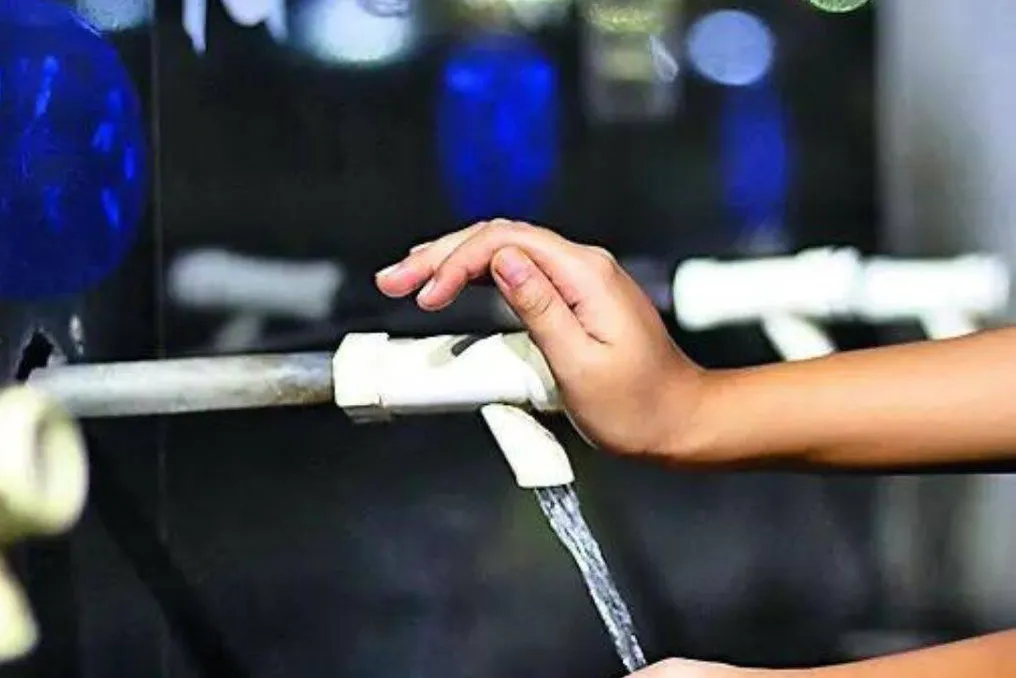
Furthermore, the results of drinking water sample analyses collected from taps at 49 stations across eight zones during 2022–23 and at 56 stations across nine zones during 2023–24 showed the presence of coliform bacteria.
Following the publication of the CAG report, the Minister of Railways Ashwini Vaishnaw and senior officials held a meeting to review the situation. In a statement, the Ministry of Railways announced plans to implement a new 'Tank to Tap' water filtration system in 20,000 locations. The replacement of water reservoirs and the implementation of regular testing of water both at the source and at the outlet were also announced.
Centralized monitoring and accountability will be established, and cleaning and maintenance of storage tanks are scheduled.
The CAG also noted that 458 out of 512 sampled stations lacked minimally required amenities. Stations such as CSMT, Howrah, Sealdah, New Delhi, and Mumbai Central were noted to be lacking seating areas, sanitary facilities, bins, and electronic train information displays, among others.
An analysis of the Passenger Amenities Management System revealed non-compliance with established standards, including a shortage of toilets at 201 stations, bin placements at 403 stations, and water taps at 2035 stations.