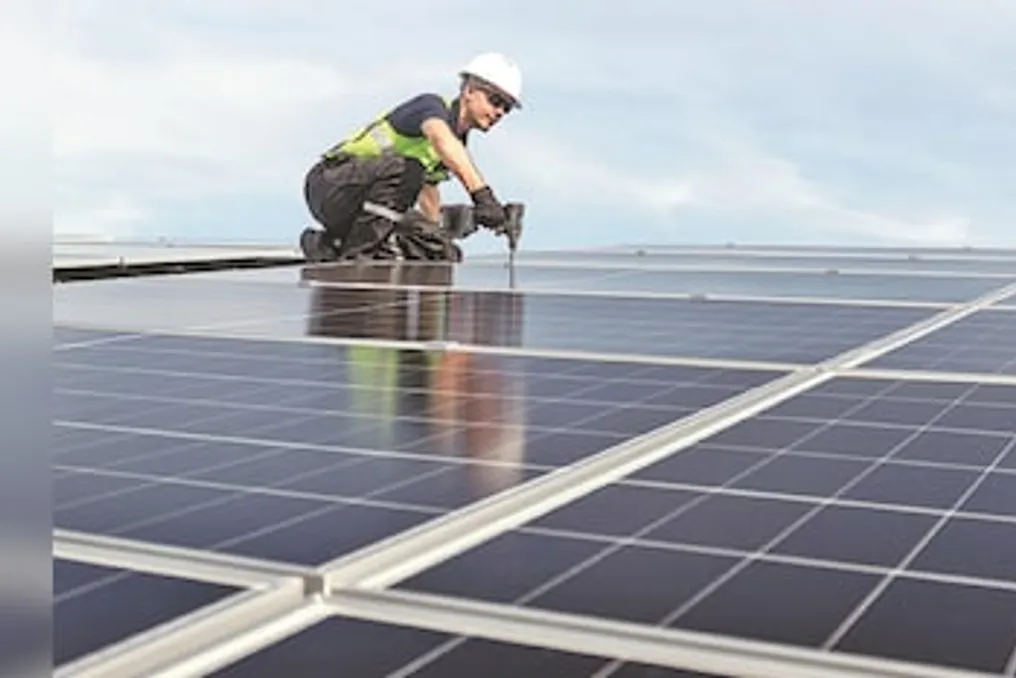
As the government develops the policy architecture for the next phase of its flagship rooftop solar scheme, industry leaders and experts are insisting on the inclusion of Battery Energy Storage Systems (BESS) alongside Rooftop Solar Installations (RTS), as well as differentiated support and policy continuity to maintain investment attractiveness.
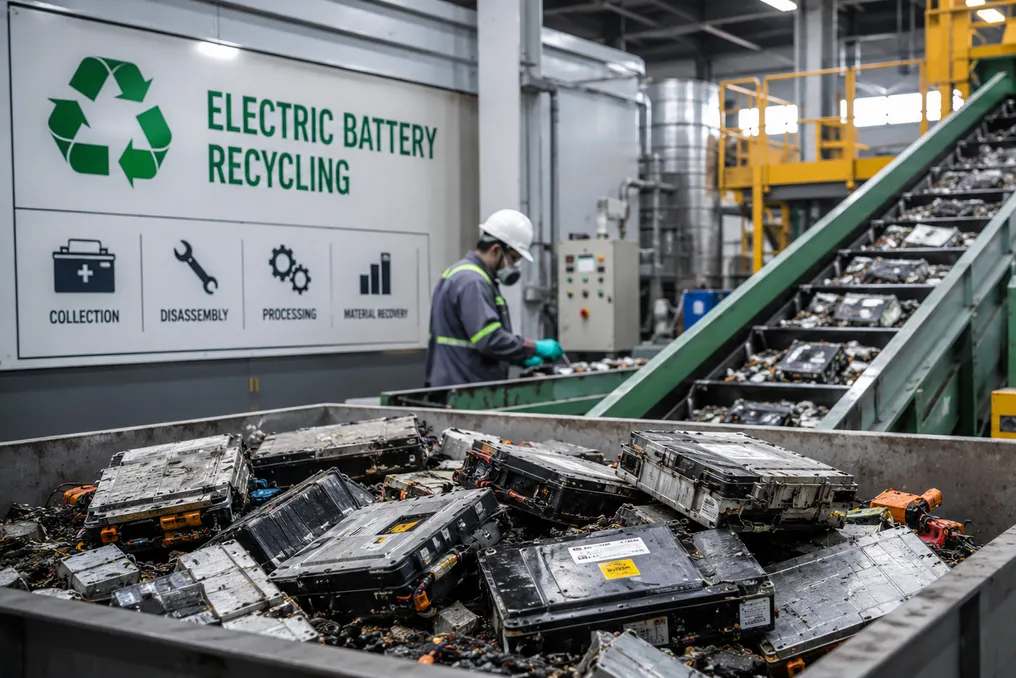
The Ministry of New and Renewable Energy (MNRE), during consultations with think tanks, industry leaders, suppliers, and distribution companies (discoms), received proposals for expanding and integrating BESS in rural areas, as reported by Business Standard last week.
MNRE stated that although the consultations are preliminary and decisions have not yet been made, there is an intention to identify implementation challenges and study measures to support the long-term development of the RTS ecosystem.
Advantages of battery storage
According to Alok Datta, colleague and Director of Electrical and Renewable Energy at the Institute of Energy and Resources (TERI), battery energy storage can increase self-consumption of solar energy, reduce dependence on the grid, and lower electricity bills. He also noted that batteries can help mitigate reverse power flow, stabilize local voltage, and manage peak demand for discoms.
A preliminary assessment by TERI shows that combining rooftop solar installations with appropriately sized batteries benefits both consumers and utilities. Datta emphasized that a hybrid BESS architecture is preferable, which should include residential batteries for consumer resilience, community or transmission line level batteries for local grid management, and large-scale systems for balancing large volumes and integrating renewable energy. He added that the appropriate combination must be determined based on grid conditions, outage levels, solar penetration, and local demand patterns.
Financial support and differentiation
Experts pointed out that if the BESS component is added to the scheme, initial investments could significantly increase, requiring capital support. Rohit Vijay, a research fellow at CSEP, stated that such support could be partially linked to actual discharge during evening hours and peak load times when the system has greater value. However, he clarified that this is only possible with restrictions on transferable inverter participation or battery management systems compliant with a notified protocol.
Specialists also noted that financial assistance should target segments and interventions where market adoption would otherwise remain weak. Vijay advised that support should be differentiated: low-income households require higher direct assistance and easier access to approximately 7% interest-free loans already available, subject to selection from government databases such as Pradhan Mantri Awaas Yojana or approved load.
Under the current scheme, the government has implemented Utility-Led Aggregation (ULA) models for low-income households, through which demand is aggregated and implementation is supported by distribution companies. Under this model, MNRE has approved about 13 lakh RTS installations in 10 states or union territories.
Although this model, along with agreements for tenants and housing societies, can help cover households without their own roof or the ability to make initial investments, industry representatives believe it needs simplification at the discom level.
Requirements for policy stability and quality
The industry is also calling for avoiding sudden policy changes, as they can be counterproductive. Shreya Mishra, co-founder of SolarSquare, a rooftop solar company, reported that proposals were presented to the ministry during consultations to prevent market gaps to restore consumer confidence.