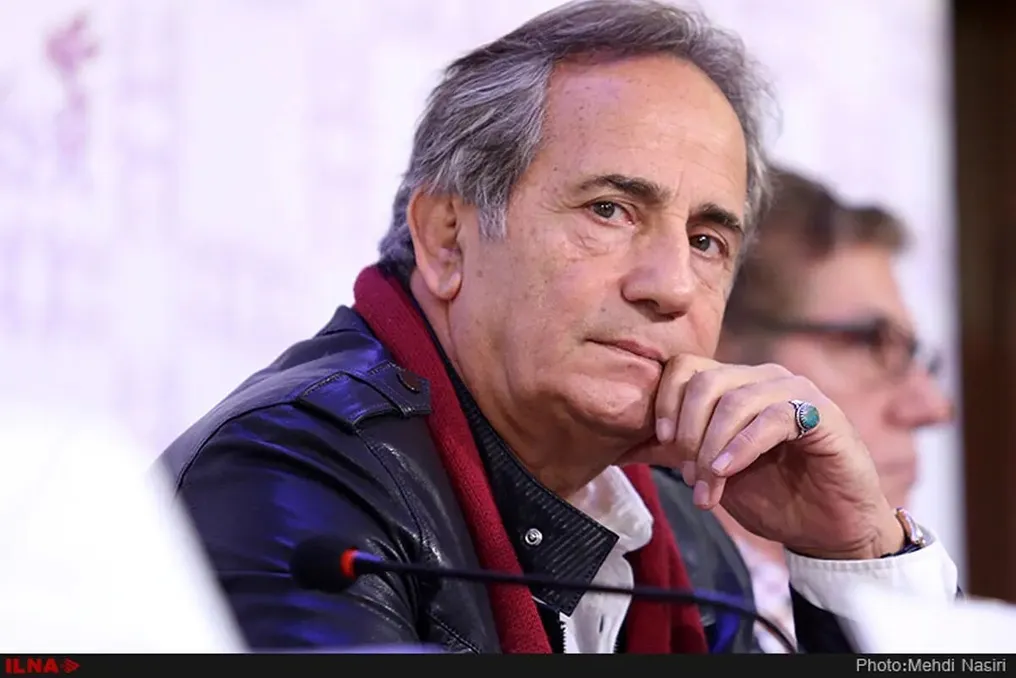
Veteran Iranian actor and cultural heritage advocate Majid Mozaffari called for the more active use of the country's artistic and cultural figures to popularize Iran's cultural heritage, historical and natural attractions, as well as handicrafts among both local and international audiences.
Speaking to the news agency of the Ministry of Cultural Heritage, Tourism and Handicrafts, Miras Aria, Mozaffari noted that artists' direct acquaintance with Iran's natural and cultural wealth could help present these sites to society and international tourists through their creative work, thereby forming a more accurate image of the country as a tourist destination.
He emphasized that despite Iran's exceptional historical, cultural, and natural attractions, their tourism potential has not yet been fully realized. Furthermore, Mozaffari pointed out deficiencies in tourism infrastructure, especially along travel routes, noting the need for greater attention and planning regarding the quality and accessibility of roadside service facilities.
The actor stated that sustainable tourism development depends not only on promoting attractions but also on the quality of visitors' experiences. He specified that when discussing tourism development, many factors must be considered comprehensively: from infrastructure and services to the promotion of sites and the interaction of local communities with tourists.
Mozaffari also highlighted the role of local communities in preserving and promoting Iran's cultural values, asserting that the responsibility for preserving, developing, and presenting the country's heritage should not rest solely with state institutions. He stressed that people themselves must participate in this process, and everyone can contribute to showcasing the country's potential according to their abilities.
The actor insisted on the necessity of strengthening efforts so that international tourists choose Iran as a destination and receive a realistic understanding of its historical, cultural, and natural sites, as well as its level of safety. He named famous artists and cultural figures as an important part of this work, given their wide influence provides them with significant potential to promote Iran.
Moreover, Mozaffari focused on strengthening the links between art and cultural heritage, stating that Iranian heritage deserves more attention, and artists can contribute to its promotion through their activities. He proposed that the Ministry of Cultural Heritage, Tourism and Handicrafts create a permanent and targeted program that would familiarize artists with Iran's historical and cultural resources. According to this proposal, representatives from various artistic fields, including music, literature, acting, and film production, could participate in regular group trips to historical and cultural sites across the country.
Mozaffari noted that personally visiting Iran's historical and cultural sites can be reflected in artists' creativity and lead to better promotion of the country's cultural heritage. Mozaffari himself, who spent most of his professional life traveling through Iran, said that travel has become a familiar part of his life, and visiting various regions and historical places in the country can deepen people's understanding of their homeland.
He also described handicrafts as an important cultural and economic asset, noting that they can have practical value in people's daily lives, and urged the ministry to provide greater support to handicraft producers and practitioners. In conclusion, he emphasized the importance of continuous interaction between the artistic community and the cultural heritage sector, stating that deeper knowledge by artists of Iran's heritage, its historical sites, handicrafts, and tourist attractions will help promote the country both domestically and among foreign guests.