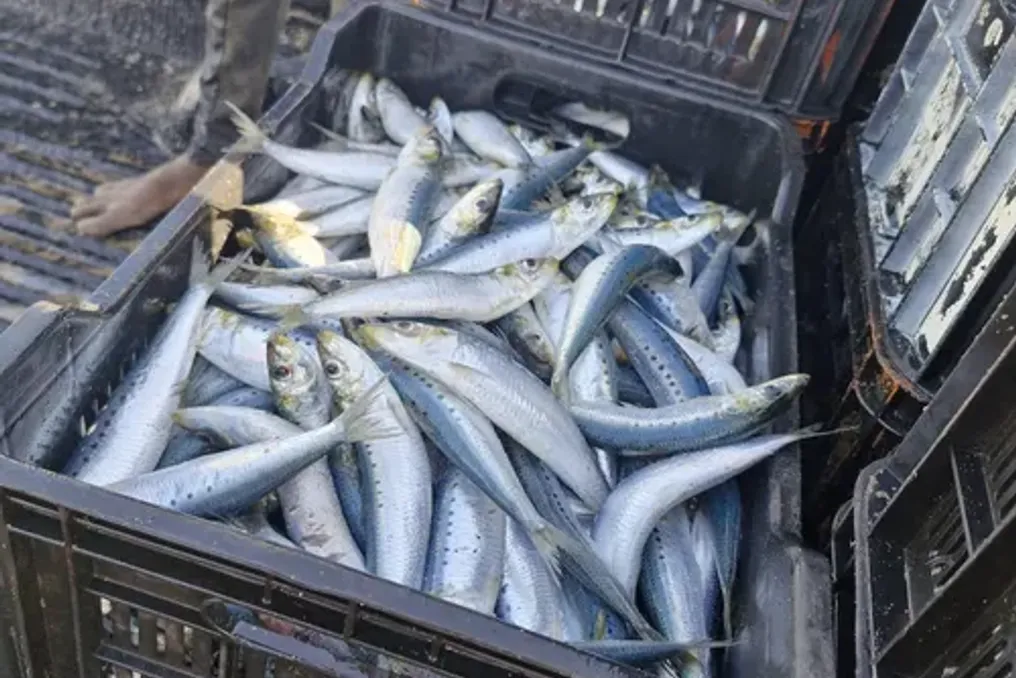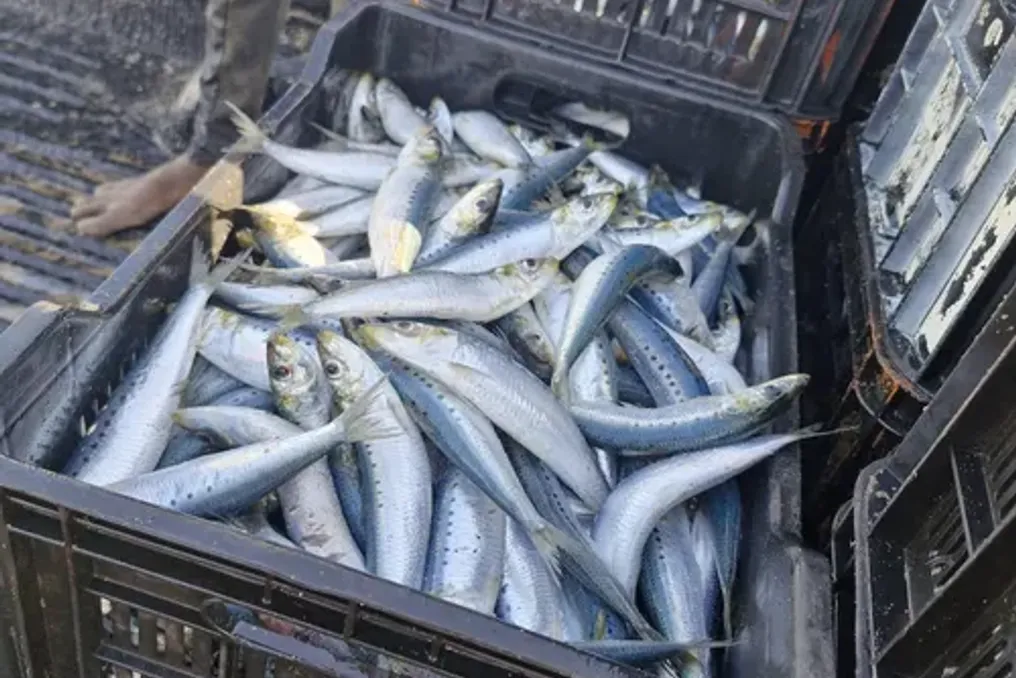
The investigation into the cause of the mass death of thousands of sardines washed ashore along the coast of the West Cape has deepened after scientists discovered the sardine herpesvirus (PHV) in collected fish samples, continuing the search for the root cause of these deaths.
The Department of Forestry, Fisheries and the Environment (DFFE) reported that PHV was identified in both dead sardines and some seemingly healthy fish collected from the West Coast. However, the department cautioned that the detection of the virus alone does not necessarily explain the mass mortality.
'This suggests that the presence of the virus itself may be insufficient to cause mass mortality,' cited a source.
Initial reports of the die-off appeared in several locations between Saldanha Bay and Gansbaai; dead and dying sardines were observed drifting on the ocean surface within eight nautical miles of the coast near Hout Bay.
The first samples were collected near Saldanha Bay on August 1. Initially, the department investigated several possible causes, including diseases, environmental conditions, and harmful algal blooms. At the time, a bloom of the potentially toxic dinoflagellate Alexandrium catenella was observed in Saldanha Bay, but officials warned that its presence could not automatically explain the widespread die-off.
As the investigation progressed, samples of dead sardines were collected from Saldanha Bay, Hout Bay, Betties Bay, Gansbaai, and the Cape Canyon area, while healthy-looking fish were collected from Eland's Bay and Lambert's Bay for comparison.
Scientists also analyzed environmental conditions. Oceanographic data from the South African Ecological Observation Network and CSIR indicated increased upwelling, unusually cold coastal water, and low oxygen levels in the Helena Bay prior to the incident.
By August 6, the department had received no reports of further sardine deaths or dying individuals, suggesting the conclusion of this mortality event.
Latest tests provided some reassurance regarding toxins: no paralytic toxins associated with harmful algal blooms in Saldanha Bay were detected. However, low levels of domoic acid and saxitoxin were found, with the highest concentrations recorded in a comparison sample that appeared healthy.
DFFE stated that these results suggest that the tested toxins are unlikely to have been the primary cause of the sardine deaths, while emphasizing that environmental factors cannot yet be ruled out.
Currently, scientists are determining whether an environmental stressor, such as harmful algae, low oxygen levels, or unusual oceanographic conditions, could have triggered or exacerbated the mortality.
DFFE noted that PHV had not previously been registered in South African sardines, although it was linked to two major sardine die-offs in Australasia in the 1990s. It is important to note that there is currently no evidence that PHV infects humans or other animals. The department also clarified that the mere fact of detection does not mean that commercially caught or canned sardines are unsafe, nor does it justify a general suspension of fishing or canning.
The public was advised not to collect or consume dead or dying fish, nor to feed them to pets. Monitoring will continue along the western, southern, and eastern coasts of South Africa, and the department's hydroacoustic survey in October/November is expected to provide the first opportunity to assess the potential impact on the sardine population.