A Brazilian undertook a long journey across the roads of 30 African countries. Initially, the trip was planned to last three months, but it was extended by another four months. He did not initially have a clear route or a specific number of countries; the main goal was to explore little-known trails and get acquainted with the cultures of the peoples encountered along the way.
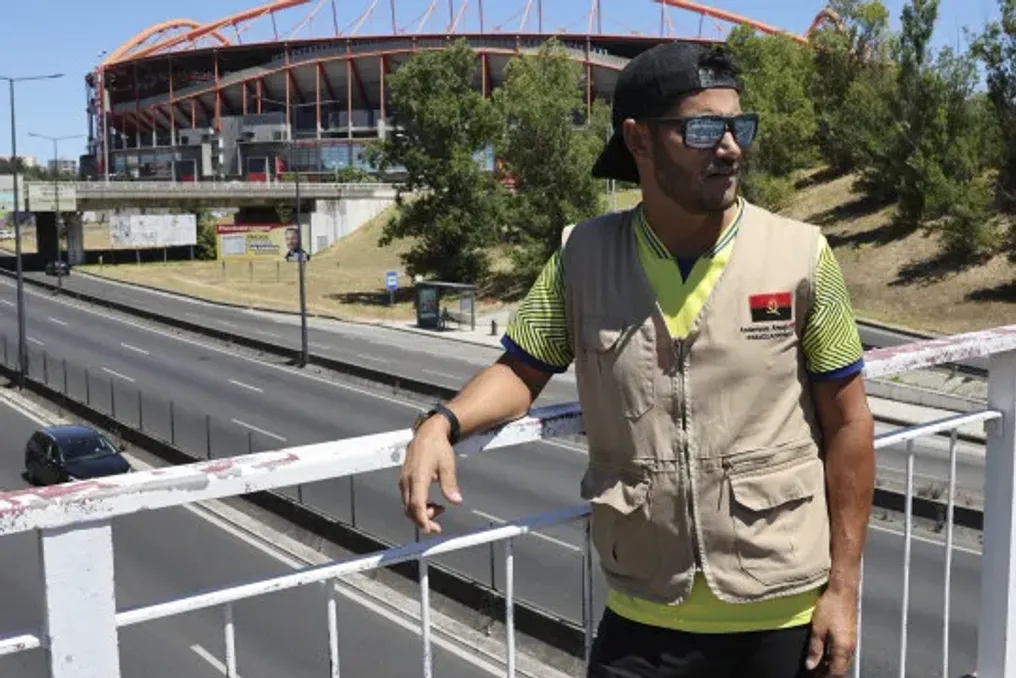
Anderson Araujo, 42 years old and working between Portugal and Angola, explained that his idea was simply to travel with a potential attempt to circumnavigate the globe.
In 2019, the project manager purchased a Toyota Land Cruiser 78, which, according to him, is common transport in Africa. He replaced the initial idea of traveling by motorcycle. This 2006 vehicle became his home for a significant part of the route and crossed about 30 countries on the continent, demonstrating an incredible diversity of landscapes—from dense jungles to the Sahara Desert.
From the car, he observed the continent's starry sky, saw indescribable sunsets, and also herds of animals running through wild parks at night, turning his humble dwelling into a source of great comfort.
In the initial stage of the trip, he visited southern and eastern countries. Among the impressions, including safaris, beaches, and mountains, the experience in Kenya was particularly memorable, where he explored a volcanic caldera and got lost with a guide. He noted that despite losing orientation, the situation remained under control, and this moment turned into a 'random and fantastic experience.'
Another striking moment was visiting Burundi, one of the poorest countries in the world, which surprised him with the hospitality of the local residents, always ready to help.
The second part of the journey covered Central and West Africa. It was during this stage that the most difficult moments arose, specifically after contracting malaria in Senegal and surviving an attempted attack in Lagos, Nigeria.
After Senegal, neighboring Guinea-Bissau, came a very difficult stretch of the road, when the goal was to move north to North Africa and then to Europe. During this time, he was denied a visa for Mauritania ten times. Since traveling through Mali—a country where terrorist groups operate—was not an option for him, alternatives began to run out.
When he was finally able to enter Mauritania, he crossed part of the Sahara and managed to travel along the famous iron ore train route. This was an illegal, but, according to him, 'touristically permitted' trip, which lasted about 12 hours in a train full of iron, under the scorching sun and with a perceived temperature of about 50 degrees Celsius.
From Mauritania, he headed to Morocco and then crossed the Strait of Gibraltar towards Europe.
Despite all the difficulties, the car did not suffer serious breakdowns. A punctured tire and the need to replace the radiator were recorded, but throughout all approximately 42,000 kilometers, he never stopped on the road.
He admitted that he relies more on luck than on reason, recalling that at the beginning of the trip, he couldn't even change a tire, and the only language he speaks is Portuguese.
During the journey, he did not have difficulty finding fuel, but he explained that he managed his resources and refueled more often in countries with cheaper fuel.
Responding to the question of how this trip affected his life, he stated that he has not yet 'fully absorbed this experience' and that this is only the completion of one stage, which will resume from Europe as soon as possible. In terms of knowledge gained, he emphasized that countries are much more complex than the stereotypes sometimes imposed on them, and that surprises can await. He concluded: 'There are more people willing to help than to hinder along the way.'