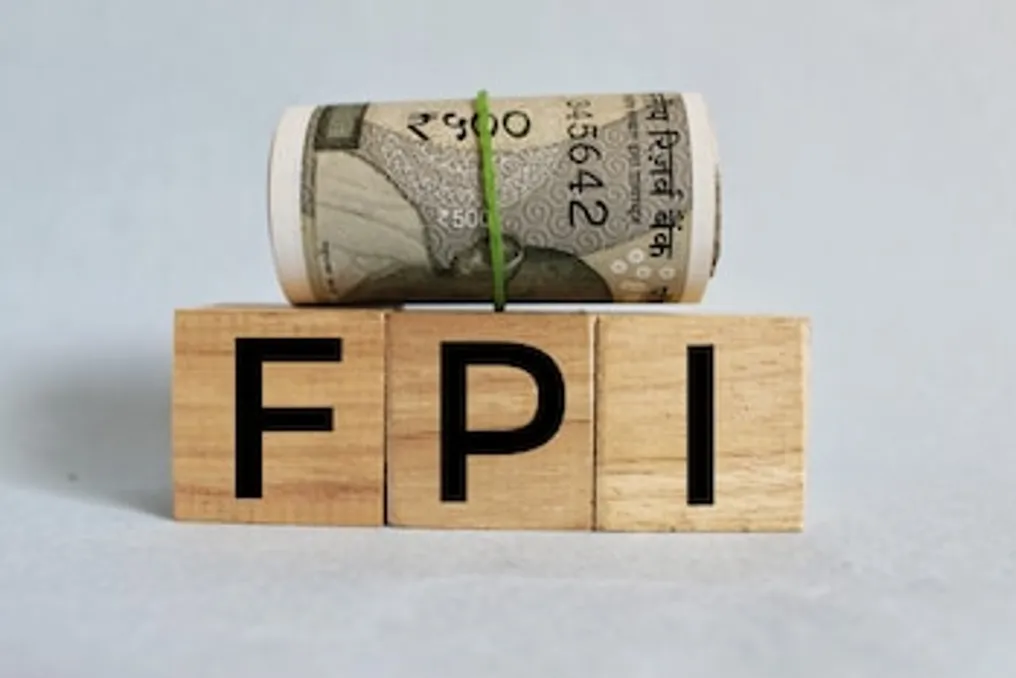
Foreign investors continued active purchases in the Indian stock market, investing 16,621 crore rupees during the first two weeks of August. This inflow of funds marked a sharp change in trend after four consecutive months of intensive selling by Foreign Portfolio Investors (FPIs).
The increased investor interest is attributed to the improvement in relative asset valuation, sustained corporate profitability, and expectations of interest rate cuts in the US.
This August inflow followed investments of 20,200 crore rupees in July. Previously, the situation was the opposite: in June, FPIs withdrew 49,340 crore rupees, in May—32,963 crore rupees, in April—60,847 crore rupees, and in March, a colossal amount of 1.17 trillion rupees was withdrawn. Before this decline, they had invested 22,615 crore rupees in February, according to CDSL data.
Despite the recent buying activity, foreign investors remain net sellers in the Indian market for 2026, withdrawing about 2.4 trillion rupees, which already exceeds the outflow of 1.66 trillion rupees recorded for the entire year 2025.
Market experts explain the recent turnaround as a complex of factors, including attractive valuation compared to other markets, stable company earnings, forecasts for US rate cuts, slowing crude oil prices, and reduced currency volatility.
Manish Bhandari, CEO and Portfolio Manager at Vallum Capital, noted that 'the key drivers are improved relative valuations, sustained corporate profitability, expectations of easing rates in the US, lower currency volatility, and some diversification away from overheated AI deals in Korea and Taiwan. AI has become a magnet for global capital.'
Vedant Ghopte, Co-founder and CEO of the investment platform Trackk, believes that the August inflow indicates that previous sales were more related to global macroeconomic factors than concerns about India. He added that 'expectations of US rate cuts, lower crude oil prices, and rupee stabilization have removed three reasons why foreign investors had to stay away.'
According to Ghopte, FPI purchases are also becoming more selective, as investors show greater interest in sectors related to domestic consumption. He emphasized: 'Consumer goods and healthcare are attracting attention. Foreign investors are supporting the Indian household, not the Indian invoice.'
Sector data for July showed strong purchases in consumer services, healthcare, consumer goods, metals, and mining, although several other sectors recorded net sales.
Nevertheless, future FPI flows are likely to remain sensitive to global signals, particularly US Treasury yields, the dollar index, crude oil prices, and rising corporate earnings forecasts.
Pabitra Mukherji, Vice President of Research at Bajaj Broking, reported that in the coming week, investors will closely monitor crude oil prices and the development of geopolitical tensions between the US and Iran.
Foreign investor interest has also extended to the debt market. During the period under review, FPIs invested 972 crore rupees in debt through the Fully Accessible Route (FAR) and another 69 crore rupees through the general route.