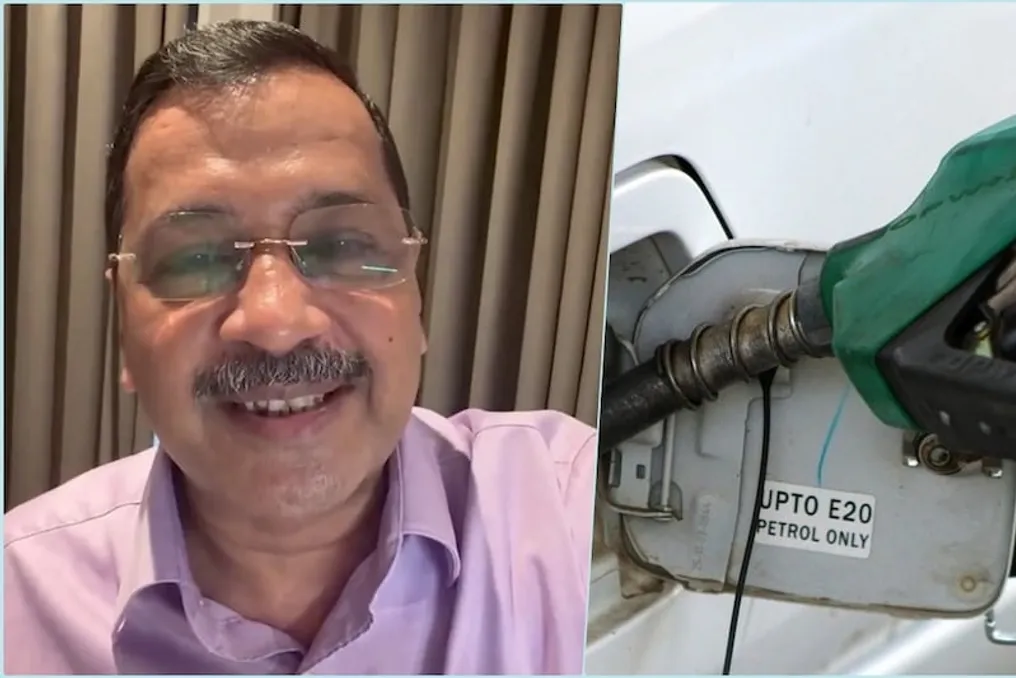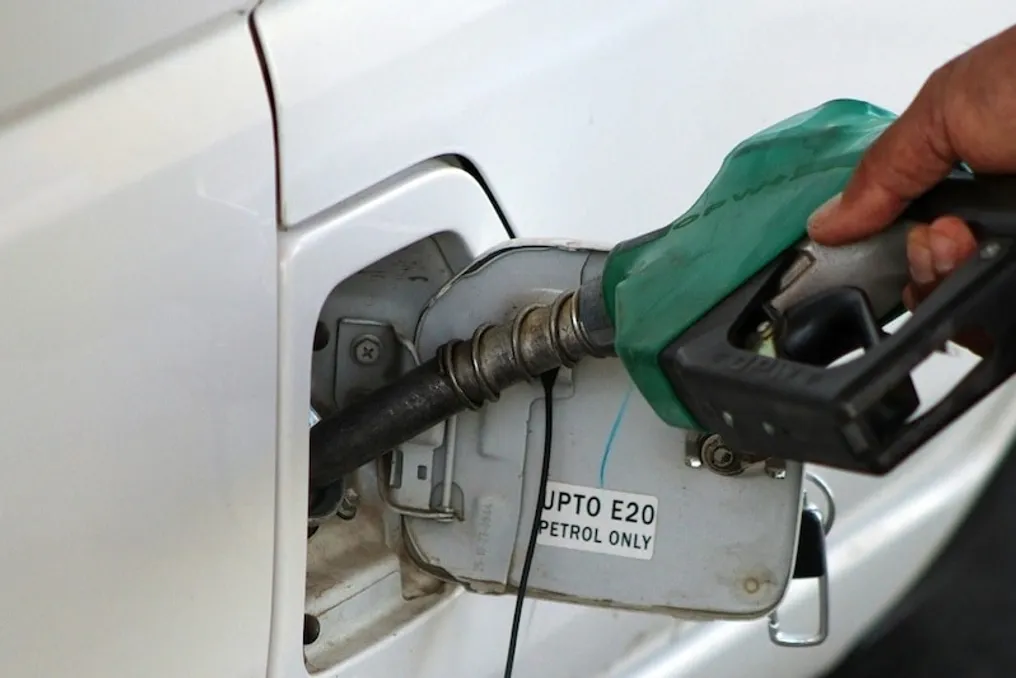
Despite statements about readiness and testing, the government has once again addressed issues related to fuel consumption, asserting that the reason for reduced vehicle efficiency is not solely E20 gasoline.
The Ministry of Petroleum and Natural Gas emphasized that responsibility for the decrease in fuel consumption cannot be placed exclusively on E20 gasoline. Actual consumption depends on numerous variables, including driving style, road conditions, maintenance status, tire pressure, and air conditioning usage.
The Ministry reported that E20 has undergone extensive testing and has been deemed safe for vehicles. Through the social network X, the ministry clarified that fuel efficiency is determined not only by the type of fuel but also by driving style, road and traffic conditions, the overall condition of the vehicle, as well as correct tire pressure and air conditioning use.
Numerous tests and checks of E20 have been conducted according to various standards, covering aspects such as engine durability, operational characteristics during driving, engine starting, fuel compatibility with different materials, and corrosion protection.
The government presented E20 as 'E20 Tested. Validated. E20 Ready.', stating that these tests confirm no harm to the vehicle when using E20 gasoline, but rather contribute to increased performance. The government deems it necessary to provide users with accurate information about the use of E20 in the context of transitioning to more environmentally friendly transport in India.
E20 gasoline contains 20 percent ethanol. Since the energy density of ethanol is lower than that of gasoline, there has long been a question about the possible impact of increased ethanol content on fuel consumption. Furthermore, concerns have been raised regarding the long-term effects of higher ethanol content on components of older vehicles, such as fuel lines, seals, and pumps.
Nevertheless, the government and automakers assert that no cases of serious engine damage due to E20 were found during the tests. The government insists that the testing of E20 was conducted taking into account the needs of the vehicle's fuel system.
It is worth noting that last month, the government acknowledged in parliament the possibility of reduced fuel consumption in some vehicles designed for E10. In response to a question in the Rajya Sabha, the Union Minister of Petroleum and Natural Gas, Suresh Gope, stated that fuel economy might decrease by 3–6 percent in some vehicles designed before 2023 for E10. Moreover, the Minister of Central Transport and Highways, Nitin Gadkari, admitted in a written reply to the Rajya Sabha that E20 gasoline could damage the rubber parts of older vehicles.