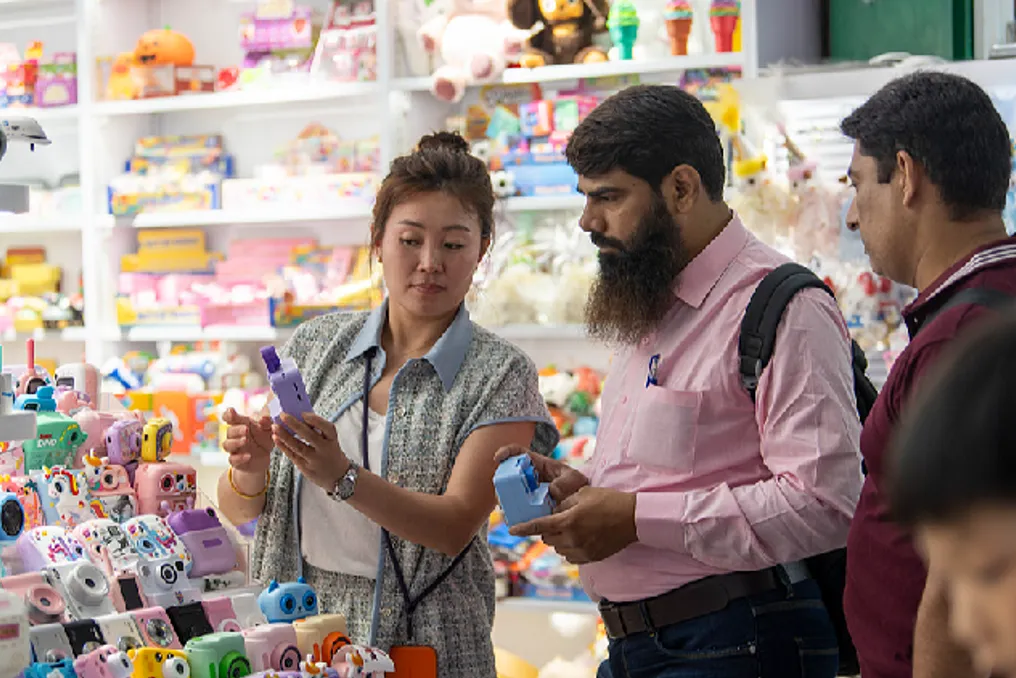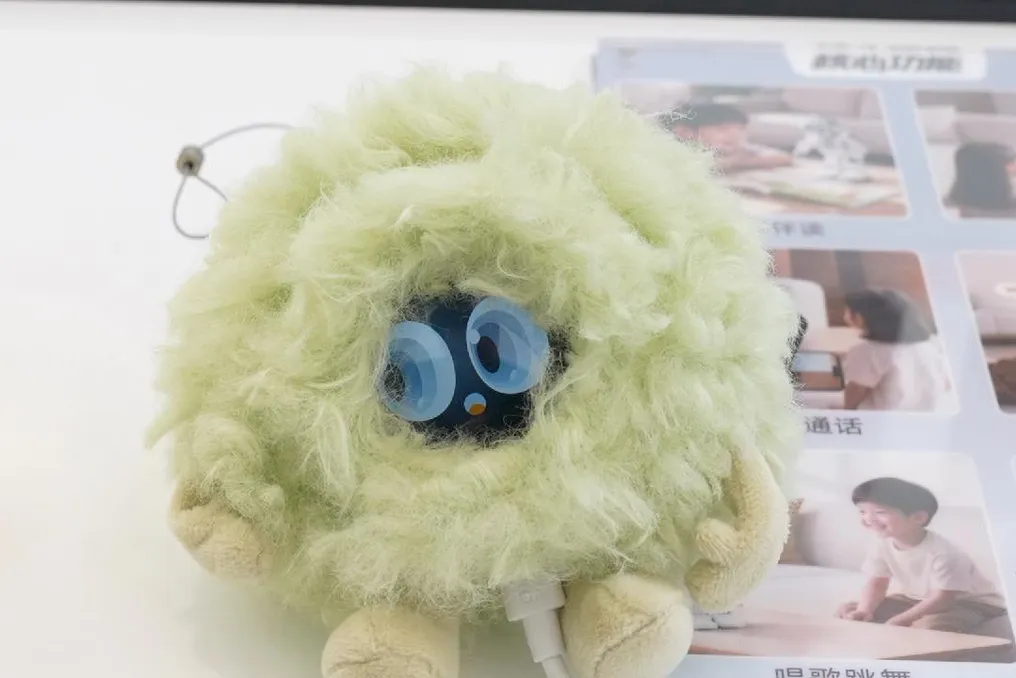
When Pallavi Kunjul was looking for places to visit in Shenzhen, southern China, she constantly came across one destination on TikTok—Huachengbei. This visitor from Mauritius did not come for ordinary souvenirs. While walking through one of the world's largest electronics markets, she stopped at a store selling AI-enabled plush toys. Holding one of the items, she said: 'This is very new to me. I am buying them to try.'
Nearby, Dylan Brummer, a guest from South Africa, compiled a longer shopping list: AI glasses, a laptop, and a larger television for his brother. For the growing number of international visitors, scenes like these give traveling in China a new dimension. In addition to gastronomy, culture, and traditional attractions, some include electronics markets, tech companies, and new consumer gadgets in their itineraries.
From Sightseeing to Tech Shopping
This trend coincides with how China continues to simplify inbound tourism. Citizens of 50 countries holding regular passports can enter China visa-free for up to 30 days for tourism and business purposes thanks to China's unilateral visa-free policy. Furthermore, citizens of 55 countries are entitled to use the 240-hour visa-free transit policy, which allows qualified travelers transiting to a third country or region to stay up to 10 days and engage in tourism and business activities.
For Shenzhen, this growing international flow is becoming increasingly noticeable specifically in Huachengbei, and the reason people come here is not always low cost. For example, Brummer tried Chinese AI glasses and was surprised to find they cost more than Meta's smart Ray-Ban glasses. However, he was drawn to the functionality. He noted: 'The screen is better, and the translation is much better. When this gentleman spoke, I could read exactly what he was saying. It was pretty cool.'
More Than Just an Electronics Market
The appeal of Huachengbei is closely linked to the unusual concentration of businesses. According to the Huachengbei District Administration, within just 1.45 square kilometers, there are about 115,000 business entities and 35 specialized electronics markets offering over a million types of electronic components. Such high density means a visitor can move from a store selling ready-made AI glasses to component suppliers, hardware companies, software developers, and exporters within one commercial district.
For entrepreneurs, this turns Huachengbei less into a shopping center and more into a place where an idea can be transformed into a product. Zhang Guoping, founder and CEO of Shenzhen CHUPAD Electronic Technology Co., personally witnessed this process. His company was among the early developers of a bilingual AI translation device that allows two people speaking different languages to see translated conversations on opposite sides of the screen. Zhang stated: 'Product development here is very fast. If you need a prototype or need to coordinate hardware with software, companies can even work all night to do it for you.' He added: 'As long as you have volume and demand, we will do it.'
For Zhang, proximity to suppliers also means that products are not static. Feedback from foreign buyers can quickly become a new software feature or hardware configuration, allowing companies to respond to changing demand without lengthy development cycles.
'Design in the morning, prototype in the afternoon'
This speed has long been one of the defining characteristics of Huachengbei. Sui Jiue, Deputy Director of the Huachengbei District Party and Administration Office, reported: 'Design in the morning, prototype in the afternoon, mass production the next day, and global shipment within a week.'
Sui explains this speed through accumulated experience in electronics spanning over four decades, combined with Shenzhen's advanced manufacturing and service sectors. The ecosystem also helps explain why Huachengbei continues to attract international business. According to Sui, on average, more than 8,000 foreign traders and visitors from 183 countries and regions register daily in this area, making international procurement part of the market's daily rhythm. This international role attracts increased attention as Shenzhen prepares to host APEC meetings in 2026. The district is upgrading multilingual services, international payment support, and visitor facilities to facilitate navigation of the market for foreign guests.