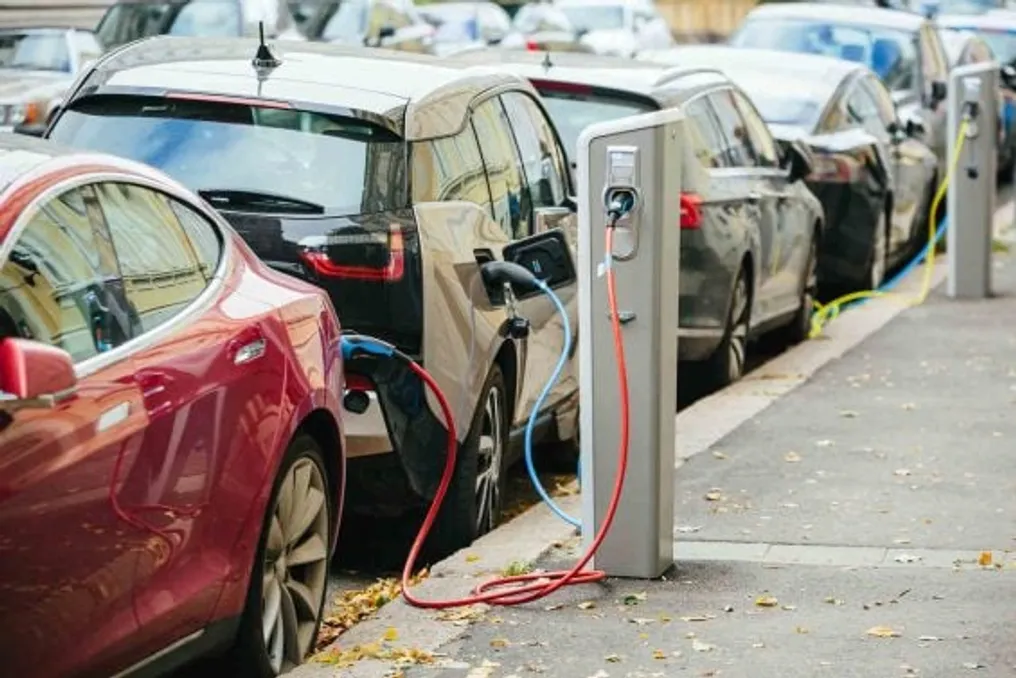
Sales of exclusively battery-powered vehicles have grown significantly in recent months, making these models a relevant part of the Brazilian market. Although they offer benefits such as lower environmental impact, fuel economy, and high technology, the insurance price for electric cars has been a subject of questioning.
In March 2025, AutoPapo conducted a coverage comparison between electric and combustion models of similar categories. The study revealed that electric cars had an appraisal cost up to R$ 8,000 higher.
However, the situation in Brazil has evolved. Currently, electrified cars (both hybrid and electric) account for 21.1% of the national automotive market share. Specifically, 100% electric models registered 25,782 registrations in July 2026, representing a 268% increase compared to July 2025 (when 7,010 units were registered).
Given this, the AutoPapo team developed a new insurance comparison between models of different categories that use electric and combustion engines.
Analysis of Coverages and Differences
According to Professor José Varanda, coordinator of the Undergraduate Programs at the School of Business and Insurance (ENS), battery-powered vehicles have the same basic coverages as combustion cars, including protection against collision, fire, theft, robbery, third-party damage, and 24-hour assistance. The specialist points out that the main distinction lies in the specific characteristics of the electric vehicle, which can make certain types of repairs more expensive.
For this reason, some insurers offer additional protections aimed at electric vehicles, such as coverage for the battery, charging cable, and towing to a charging point. Thus, the cost difference is more related to the characteristics and repair cost of the insured vehicle than to the insurance itself.
The quotation simulations were done on an insurer's website, using the same personal data for new 2026 vehicles under personal use. In 2025, the Dolphin's insurance cost almost twice as much as the quoted price for the Nivus; however, in 2026, although the disparity persists, it has considerably decreased.
Despite having no direct combustion competitor, the Dolphin and Nivus models are popular rivals in Brazil in 2026 and have very close quotes.
Changes in Insurance Cost
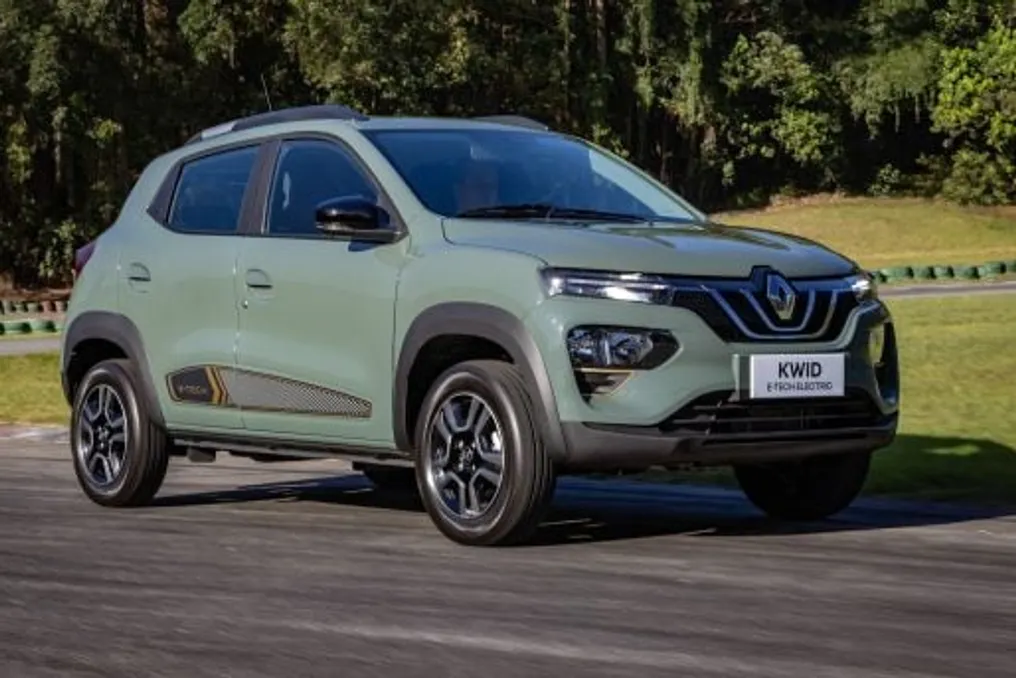
When analyzing the quotation values, it is observed that, in several situations, the price difference between electric and combustion models was small. Examples include the comparison between the Renault Boreal and the Geely EX5 (R$ 344.10), as well as the parallel between the two versions of the Kwid (R$ 292.30), something that did not happen in 2025. Professor José Varanda explains this change by saying that, some time ago, electric cars were seen as a novelty by insurers. In this initial phase, there were fewer electric vehicles in circulation, which resulted in lower parts availability, a reduced number of specialized workshops, and little experience from insurers with claims, increasing uncertainty and, consequently, the price.
However, the specialist points out that with the increase in the volume of electric vehicles in the market and the diversification of models, more data became available for risk assessment by insurers. Thus, although electric model insurance is generally still more expensive, today it is possible to find premiums very close to the values of combustion vehicles, or even lower.
For José Varanda, the insurance cost increasingly depends on the vehicle model, the repair cost, claim experience, the insurer, and, above all, the insured's profile.
The specialist also highlights that the components of electric cars, such as the battery and electronic systems, maintain high costs, and many parts still need to be imported. Additionally, specific repairs on these vehicles require specialized labor, which can keep the insurance more expensive in certain configurations.
The coordinator of undergraduate programs at ENS concludes that the market is maturing, and the insurance cost will increasingly reflect the specific risk of each vehicle, and not just the fact that it is electric.