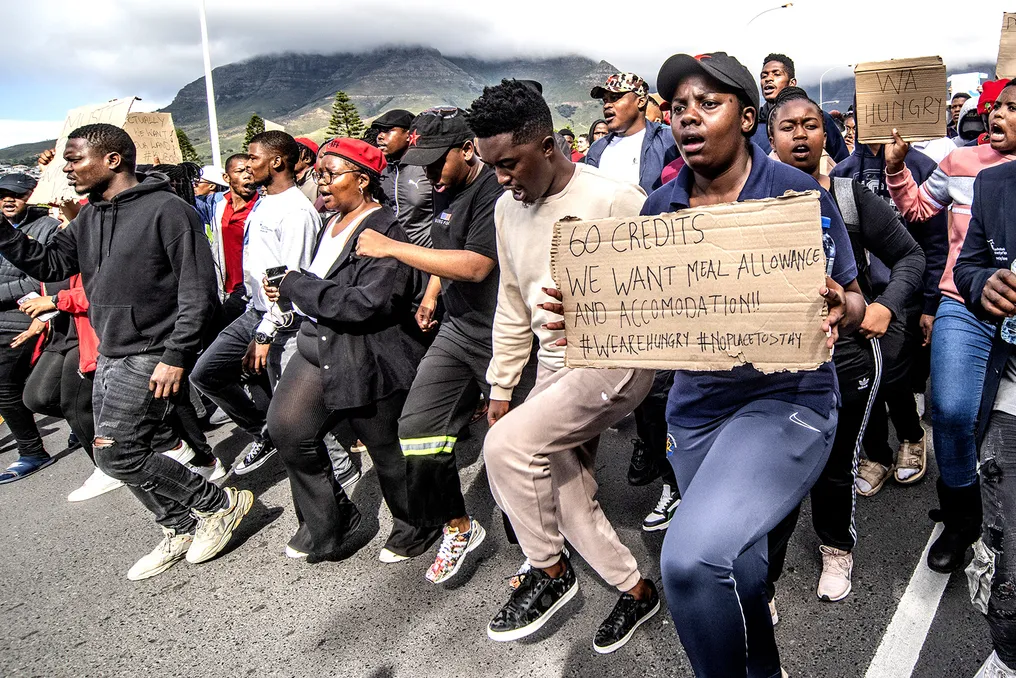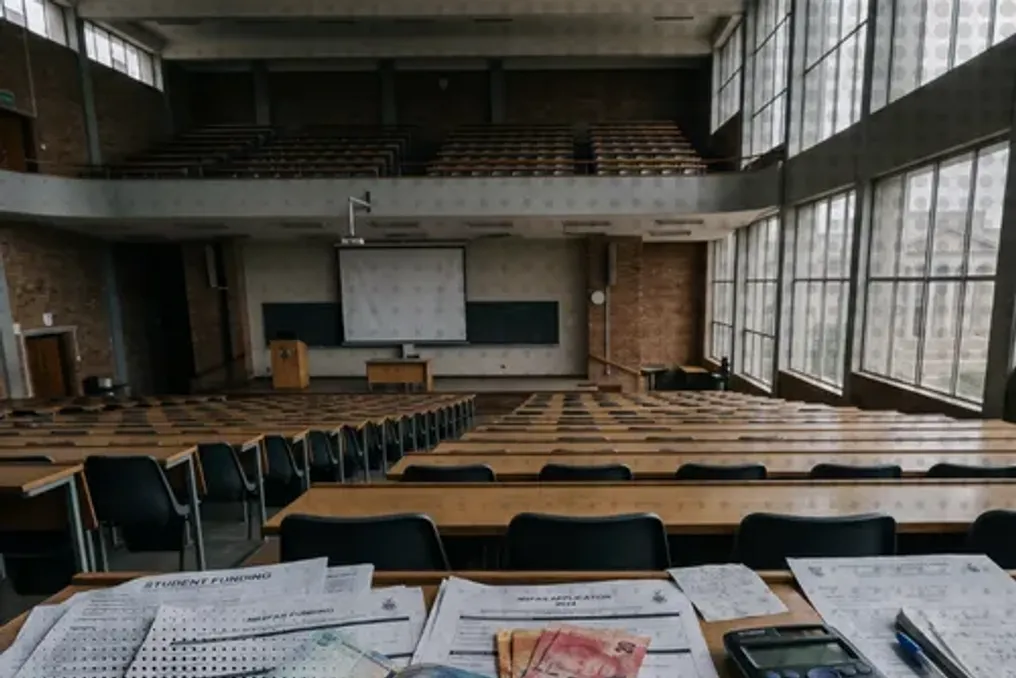
The Minister of Higher Education, Boitumelo Manamela, stated that South Africa may be forced to review its policy on free higher education if the government cannot resolve the growing funding deficit of the National Student Financial Aid Scheme (NSFAS), which has reached approximately R15 billion.
Manamela warned that NSFAS is facing a deficit of around R15 billion. He noted that this deficit has increased from approximately R2.5 billion in 2018 to R13.5 billion last year, and has now reached the mentioned level. The reason for this is the constant growth in the number of students requiring financial support while state funding is growing slower.
The Minister emphasized that NSFAS is constantly experiencing a shortage of funds, and this is directly linked to the increased demand for higher education. He added: 'We promised South Africans free higher education, and we must find the money, and if we do not have this money from the national budget or elsewhere, we will have to reconsider our approach to free higher education.'
NSFAS bears the financial burden of supporting hundreds of thousands of students; for example, for the 2026 academic year, the scheme approved funding for over 660,000 students. This scheme plays a key role in ensuring access to higher education for students from low-income and working-class families by covering tuition fees and providing allowances for other study-related expenses.
Manamela explained that the state allocation of funds for NSFAS is largely fixed within the Medium-Term Expenditure Framework, while the number of students eligible for funding continues to rise. This creates a gap between the students' need for financial support and the available funds for the scheme. He noted that while university and TVET college intake can be controlled, this is practically almost illegal because the policy requires providing funds to those who meet the criteria, but these funds are unavailable.
The Minister reported that this issue is being discussed with the Minister of Finance, and the government is developing policy proposals to address the growing pressure on student funding. However, while the Department of Higher Education demands more funds to meet the growing demand, Finance Minister Enoch Godongwana previously expressed concerns about how NSFAS spends the funds it has already received.
Godongwana criticized the scheme's administration, stating that the government spends about R700 million annually on managing NSFAS. He suggested that these funds could be directed towards supporting the education of thousands of additional students. The Finance Minister also questioned the necessity of NSFAS using external service providers for work that, in his opinion, the scheme should perform independently.