A resident of Vienna has filed a lawsuit against the city council, alleging discrimination in access to public restrooms. The complaint is based on the fact that women have to pay to use stalls, while men can use sinks for free.
A resident of Vienna has filed a lawsuit against the city council, alleging discrimination in access to public restrooms. The complaint is based on the fact that women have to pay to use stalls, while men can use sinks for free.
Melanie Gradik, 27, told AFP in Augarten Park that she had to pay 50 cents (R9.34) to use the toilet, while her companion could use it for free. She stated that she wants everyone to have equal access to a restroom, insisting: 'Either we all pay 50 cents, or no one pays 50 cents.'
Gradik emphasized that the issue is not just about money, but about an example of unequal treatment of women in daily life. She filed a legal complaint because she believes that charging only women for access to public toilets violates the city's anti-discrimination legislation.
According to her lawyer, Petra Labak, the inequality arises because some public facilities provide free sinks for men, which is not available for women. The lawyer added that if Gradik wins the case, it could set a precedent across Austria and influence other municipalities.
Currently, 168 publicly managed toilet facilities operate in Vienna, 139 of which are free. City authorities explain the charge at 29 locations by stating that they have service staff working there. Sandra Holzinger, municipal press secretary, informed AFP that supervision is necessary in high-traffic and heavily used areas to ensure cleanliness and proper use.
She specified that in these 29 facilities, the 50-cent fee is charged for stall use by all genders, and sinks are provided additionally to prevent contamination from urination in public places.
However, law professor Anna Gamper from the University of Innsbruck considers this system a serious equality issue. According to Austrian law, distinctions between men and women are permissible only with a special, objective justification. The professor noted that in the case of public toilets, such a justification 'does not appear to exist,' as the cost of building, maintaining, and cleaning stalls and sinks is approximately the same.
Even if stall maintenance were slightly more expensive or consumed more water, this, in the professor's opinion, is insufficient to justify the price difference compared to sinks.
Gamper also objects to the argument that men should pay for a stall, since they have a free option available that women do not. In Gamper's view, women should not bear financial costs due to their anatomy or the need for stalls for safety reasons.
Elke Hannel-Torsch, the representative for women in the city of Vienna, reported that women in Austria face additional expenses compared to men in daily life, such as menstrual products and more expensive cosmetics.
As part of a coalition agreement for city management, Social Democrats and liberals promised to expand the number of public toilets and study the possibility of making them free for everyone. In Augarten Park, new toilets opened in 2025 serve as a model for the future. They are designed to blend harmoniously into the historic Baroque park, feature curved ceramic facades, daylight from attic windows, amenities for people with reduced mobility, and fountains, as well as free use.
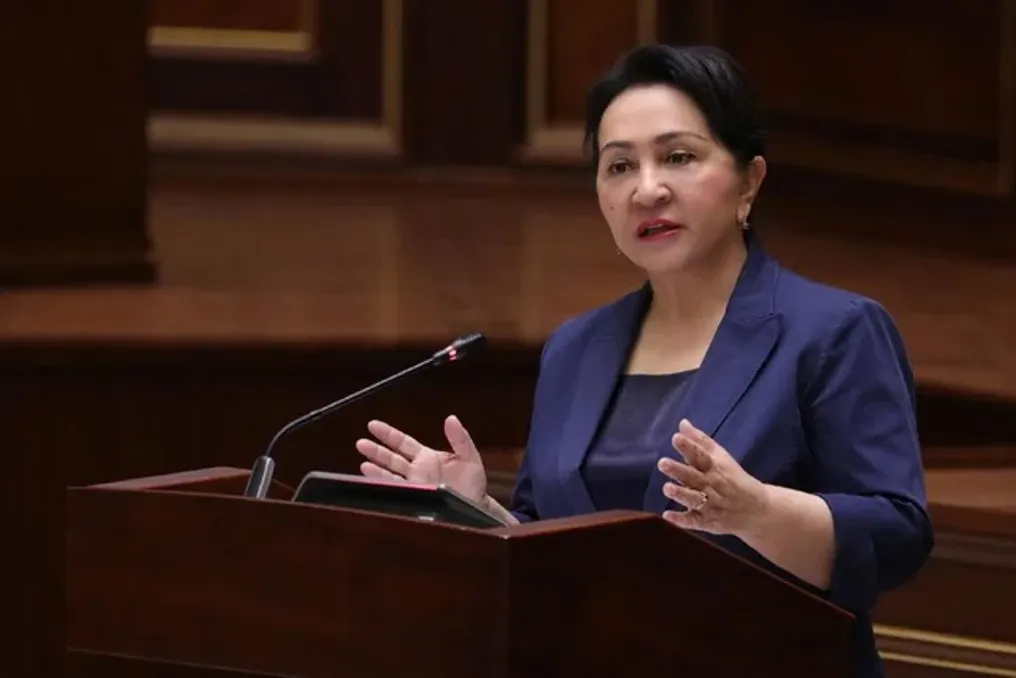
At the meeting of the National Commission for Combating Human Trafficking and Decent Labor in the Senate of the Oliy Majlis of Uzbekistan, held on August 13, 2026, chaired by the Chairman of the Senate, Tanzila Narbayeva, the results of the Commission, its subcommittees, and regional commissions for the first half of 2026 were reviewed, and existing problems were discussed.
During the reporting period, work continued to ensure decent work, protect labor rights, prevent human trafficking, and integrate international labor standards into national legislation.
In particular, in accordance with the requirements of International Labour Organization Conventions No. 87 and No. 98, a law was adopted aimed at strengthening citizens' labor rights guarantees. Furthermore, draft laws were developed to improve the Labor Code, prevent discrimination and sexual harassment, reduce informal employment, protect labor, and develop dual education.
Special attention was paid to identifying victims of human trafficking, providing them with comprehensive social services, and their social integration. In the field of labor, steps were taken to comply with labor legislation, prevent forced and child labor, and create decent working conditions for employees. Work also continued on protecting farmers' rights, improving land relations, and regulating relationships between cotton-textile clusters and farms, which allowed for the recovery of debts owed to farmers.
International labor and technical standards were implemented in 286 enterprises, including standards such as ISO, Oeko-Tex, Sedex, Better Work, BSCI, GOTS, and BCI.
As part of international cooperation, the Uzbek delegation attended the 114th session of the International Labour Organization, which took place in Geneva from June 8 to June 11, 2026. At this meeting, current reforms in the country regarding decent work, eradication of forced labor, and improvement of labor relations based on international norms were presented. Existing shortcomings were also critically assessed.
Reports were presented by heads of responsible ministries and agencies, as well as regional commissions from Tashkent, Fergana, and Samarkand regions. After the meeting, draft plans for additional measures to widely implement international labor standards and ensure the principles of decent work were sent. The roadmap of Uzbekistan for the period 2026–2029 within the framework of the ILO Alliance 8.7 initiative was also considered.
Responsible ministries and agencies were instructed to ensure the fulfillment of the set tasks, systematize work in this area, and eliminate identified problems.
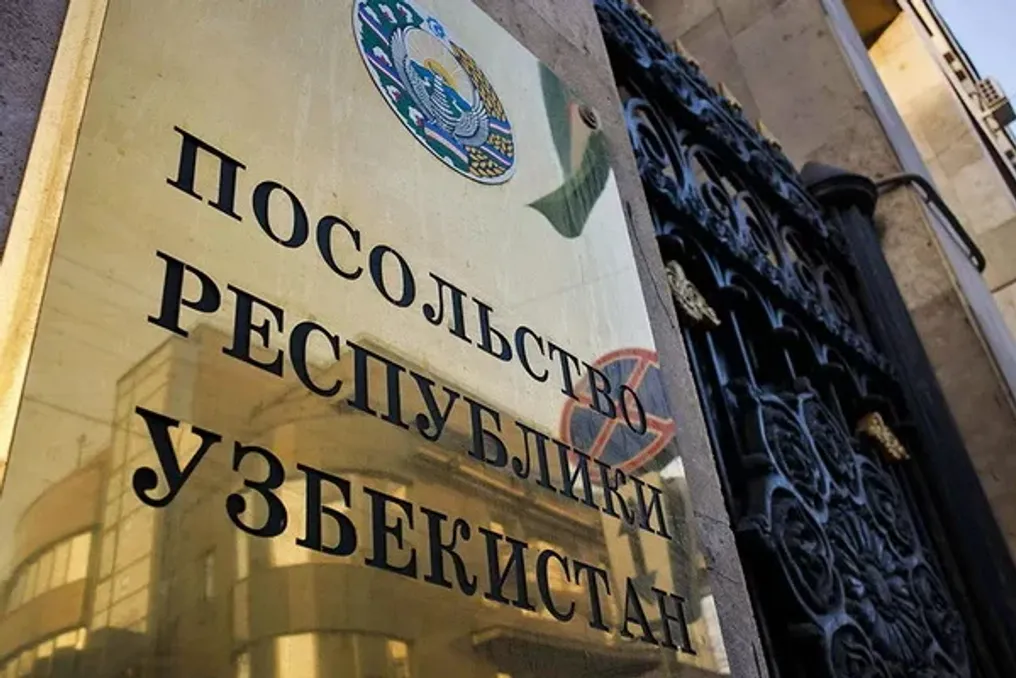
The General Consulate of Uzbekistan in Istanbul provided support to two citizens of the republic who found themselves in a difficult social and financial situation in Turkey, and helped them return home, the diplomatic mission reported.
During the verification of their situation, it was established that the citizens faced problems related to personal documents. They were left without identification after handing over their passports to third parties.
With the assistance of the Migration Service, the citizens were provided with necessary consular and organizational help. Additionally, they were helped to purchase airline tickets for their return to Uzbekistan.
The General Consulate strongly urged citizens of the republic not to hand over their passports to other individuals, to carefully keep their documents, and to use them exclusively for legal purposes.