Liverpool owners agreed to sell a minority stake in the club to a consortium that includes Amazon founder Jeff Bezos. This is the latest step in the battle for dominance among American owners in the Premier League.
The decision to sell part of the club to financial giants, including Jeff Bezos, has become part of the intensified fight for supremacy. This move followed just four months after Arsenal won the Premier League title under American billionaire Stan Kroenke.
Having received funds from the sale of about a third of the club to Bezos and his partners, Liverpool intends to try and displace Arsenal from the top and win its record 21st English title.
Premier League
Manchester United, largely owned by the Glazer family, and Chelsea, whose ownership group is headed by American Todd Boehly, are also participating in the race for Premier League prestige. Among the six Premier League clubs with American shareholders is also Aston Villa, the winner of last season's Europa League.
This US-inspired race has led to a significant increase in the value of leading English clubs, providing their owners with substantial returns on initial investments. For example, Fenway Sports Group acquired Liverpool in 2010 for 300 million pounds sterling (6.56 billion rupees).
Following the deal with this star consortium, Liverpool, which last won the Premier League in 2025, is now valued between 5 billion pounds sterling (109.4 billion rupees) and 6 billion pounds sterling (131.28 billion rupees).
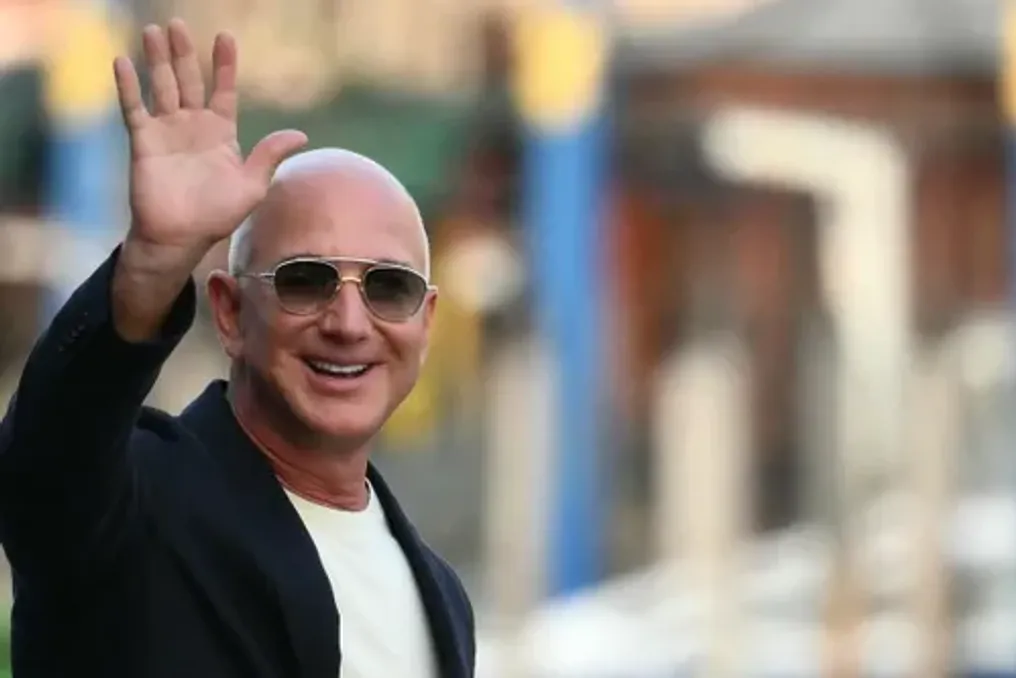
American magnate Bezos is the fourth richest person in the world, with an estimated net worth of $256 billion. The consortium also includes Facebook founder Eduardo Saverin, whose wealth is estimated at $32 billion, and group frontman Amit Bhatia, who is the son-in-law of Indian billionaire Lakshmi Mittal.
It is Bezos's involvement that makes this deal so intriguing and raises speculation about Liverpool's future plans. It is reported that Bezos was interested in two NFL franchises—the Seattle Seahawks, recently sold for £7.3 billion (159.72 billion rupees), and the Washington Commanders, sold in 2023 for £4.6 billion (100.65 billion rupees).
Acquiring a stake in Liverpool gives the 62-year-old a potential path to full control of the club at Anfield, despite reports that he will be a 'silent partner'. The question arises whether John U. Henry and his colleagues from FSG will remain committed to the plan of maintaining 'majority ownership and operational control over Liverpool', or if the huge profit from selling the remaining stake to the Bezos group will tempt them.
Despite Liverpool undergoing a reconstruction under new manager Arne Slot after the disappointing fifth-place finish in the Premier League last season, the club remains one of the most iconic sports brands in the world, and its value grows annually.
According to sports finance experts at Deloitte, the Reds became the highest-paid Premier League club this year, recording a record revenue of £703 million (15.38 billion rupees) for the 2024–25 financial year.
Against this healthy financial backdrop, Bezos and his partners were met cautiously in Merseyside. Fans expressed concern regarding the motivation behind buying a six-time European champion. The Spirit of Shankly fan group demanded clarification from the club, warning that previous changes in club management had led to 'decisions and behaviour that many would not want to see at Liverpool'.
However, Dan Plumley, senior lecturer in sports finance at the University of Loughborough in the UK, believes that FSG does not plan to immediately relinquish full control. He told AFP: 'If Liverpool maintains competitiveness in the Premier League and Europe, its revenue and valuation can grow further—so, FSG probably doesn't want to sell completely yet.'
Nevertheless, Plumley acknowledged that the true reasons for the investment will worry Anfield fans. He noted: 'The question fans ask in reverse order is: 'What do these investors want from my club?' Usually, there is some return on investment for them, especially considering how American investors operate.'
He added: 'Of course, they might simply be interested in owning a trophy asset. On the other hand, it might be difficult for them to penetrate the American sports market in terms of franchise ownership. Therefore, investing in an English football club or owning it provides a cheaper entry ticket with the potential for a higher growth ceiling and greater international reach.'