During the SADC High-Level Dialogue on Food System Transformation, held as an official event of the SADC Summit in Durban in 2026, experts called for climate adaptation technologies to be more thoughtful and accessible to all farmers.
During the SADC High-Level Dialogue on Food System Transformation, held as an official event of the SADC Summit in Durban in 2026, experts called for climate adaptation technologies to be more thoughtful and accessible to all farmers.
The transition to climate-resilient agriculture encompasses new farming methods, financial models, data, and practices. However, the success of these approaches directly depends on how well they align with the real living conditions of farmers and the environment in which they operate.
Desri Lesele, Senior Value Proposition Manager for Agriculture at Nedbank Commercial Banking, noted that one of the main challenges in scaling regenerative agriculture is the financing model supporting producers. He stated that his conversations with farmers showed that many understand the importance of soil health and sustainability and are not resistant to the regenerative approach.
Nevertheless, Lesele highlighted the complexity of the situation: transition costs are immediate, while the return on investment can take several years. He asserted that the key issue is not the viability of regenerative agriculture, but whether the financing, especially in the banking sector, is designed to support this transition.
He explained that farmers need what is called 'patient capital' because agricultural systems follow biological cycles, whereas financial institutions typically operate on shorter reporting and repayment schedules. This imbalance often forces farmers to use short-term financing to cover transition costs, which can last five years or longer.
Lesele also called for broader use of blended finance and risk-sharing mechanisms, emphasizing that commercial financing alone is insufficient. He proposed that climate-focused funds, development institutions, and governments should help mitigate investment risks and stimulate private sector participation.
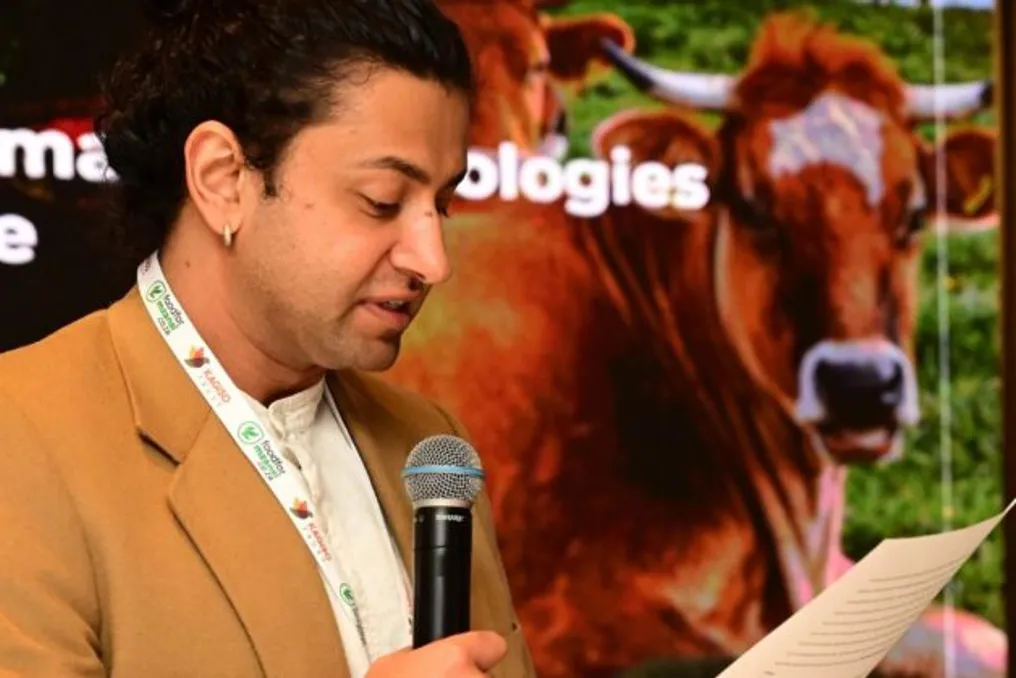
Meanwhile, Dr. Tara Sousi, founder and CEO of TerraClim, which uses climate and agricultural data to help farmers make informed decisions, stated that agritech should complement farmers' knowledge, not replace it. Sousi emphasized: 'No one knows their land better than the farmers themselves.'
She described initiatives to integrate diverse agricultural datasets, including agro-climate information, crop suitability, soil data, and remote sensing analytics. Work was presented in the Eastern Cape, where information from institutions such as the Agricultural Research Council (ARC) and the Council for Scientific and Industrial Research (CSIR) was consolidated into a single platform accessible to farmers and consultants. This platform underwent field testing with farmers in Mthatha, Eastern Cape, whose feedback helped developers simplify the tool and identify necessary information for consultants.
Sousi noted that the project subsequently focused on training agricultural consultants in the province, and now over 40 users utilize the system daily. She stressed that such a tailored approach is critical across the entire SADC region, as farming conditions vary significantly between countries, regions, and even districts. As she put it: 'There is no one-size-fits-all solution.'
Ishmael Sunga, CEO of the Southern African Confederation of Agricultural Unions (SACAU), observed that the problem extends beyond just climate-resilient technologies and relates to agricultural innovation in general. He pointed out that researchers sometimes create impressive technologies that are ultimately not adopted because they do not solve specific farmer problems. Sunga stated: 'It is perfect, but rejected.'
He insisted that farmers must be involved in the development of innovations from the outset, and research and development must be rethought to account for the diverse needs, scales, and ambitions of farmers. Sunga added that climate-resilient agriculture must also include basic infrastructure such as electricity, water supply, roads, and bridges. He argued that farmers require a holistic approach combining government, researchers, and policymakers.
Michael Lille, CEO and founder of Orizon Agriculture, highlighted precision agriculture as another area where the focus can easily shift from core farming principles to the technology itself. He stressed that the essence of precision agriculture is applying the right resource in the right place at the right time. While large commercial farms can use expensive machinery across thousands of hectares to achieve this, smallholder farmers can apply the same principles without owning specialized equipment.
Lille stated: 'At its core, precision agriculture is simply placing the right resource in the right place at the right time.' He advocated prioritizing education over technology investment so that farmers can understand the fundamental principles and assess whether a particular machine or system will yield sufficient return on investment. Professor Naude Malan, an expert in sustainable food systems from Holistic Economic Revolution Research and Development, warned that an excessive focus on high technology could create significant barriers for smallholder farmers. He explained that expensive equipment is often only sensible in large operations capable of maintaining high productivity. Malan noted: 'If you implement high technology, the largest systems around that machine must be absolutely optimized for maximum productivity.'
He pointed to simpler, less expensive technologies that can be adapted to various farming conditions, arguing that farmers should have the ability to progress through stages of technology adoption. Malan also stated that sustainable food systems must reflect the ecological differences between individual farms, rather than relying on a standardized model. He concluded: 'We must have diversity of approaches. Policy cannot be monolithic; it must be diverse.'
He added that the financial viability of individual farm enterprises must remain central to decisions regarding technology, finance, and policy, allowing farmers to adopt customized solutions at a managed pace.
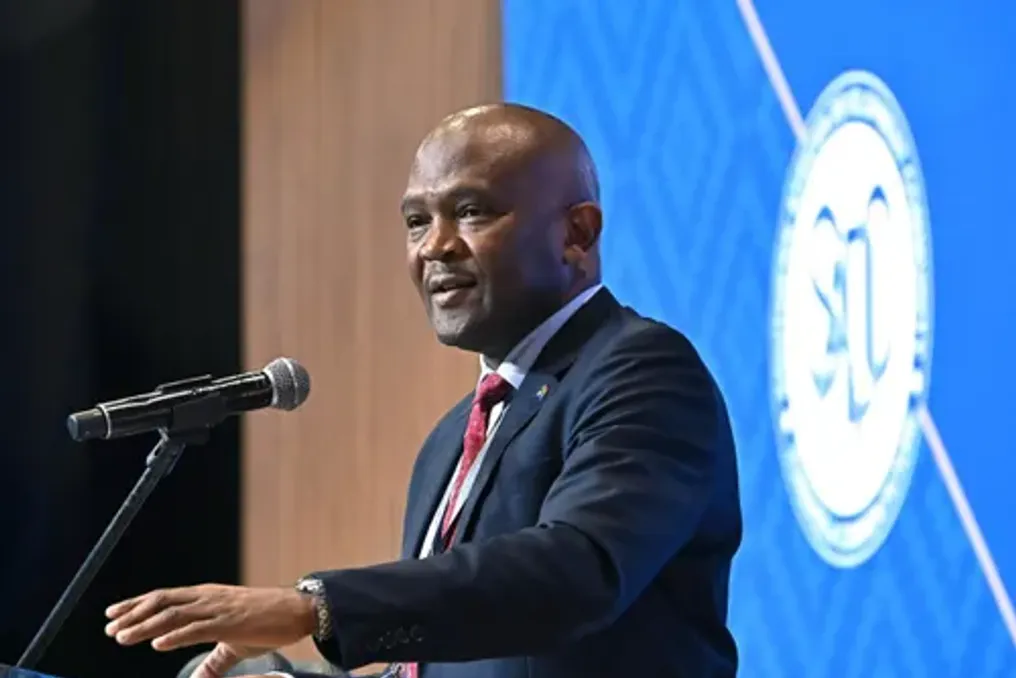
The Executive Secretary of SADC, Elias Magosi, warned about the possible onset of a strong El Niño event during the 2026/27 season, which threatens development gains and increases the need for humanitarian aid.
The Southern African Development Community (SADC) has warned that the expected strong El Niño phenomenon in the 2026/27 season could put additional pressure on countries already struggling with the aftermath of floods and other climate shocks.
Elias Magosi stated that seasonal forecasts indicate a high probability of an El Niño occurrence, which may exceed the intensity and impact of the 2023/24 phenomenon.
Speaking at the opening of the SADC Council of Ministers meeting in Durban on Wednesday, Magosi emphasized the need to strengthen regional preparedness as climate disasters continue to threaten infrastructure and populations.
He recalled that devastating floods earlier this year led to loss of life, damaged vital infrastructure, caused community displacement, and disrupted trade in various parts of the region.
Magosi noted that the forecasted El Niño could further exacerbate the situation regarding food and nutritional security while increasing the cost of fertilizers and energy, placing a strain on public finances and increasing humanitarian needs.
He stated that such interconnected shocks threaten to undermine development achievements and impede aspirations for regional integration, industrialization, and inclusive economic growth.
In Magosi's view, the region can no longer rely solely on post-disaster response and must invest more in measures to anticipate and counter climate shocks.
He called for a shift from disaster response to investing in resilience through strengthening early warning systems, proactive planning and action, building climate-resilient infrastructure, financing disaster risks, and sustainable recovery efforts.
More robust early warning systems and proactive planning will allow governments and regional bodies to prepare for potential emergencies before they escalate.
Magosi also highlighted the necessity of infrastructure capable of withstanding climate impacts, as well as financing mechanisms that could support countries during and after disasters.
He pointed out that the SADC Emergency Operations Centre in Nacala, Mozambique, is a crucial part of the region's response capacity. Ensuring the functionality of this Centre is critical for strengthening the region's preparedness and response capability.
Magosi added that adequate financial and human resources must be provided to this Centre for effective and timely coordination of contingency plans, emergency response, and recovery work.
Ambassador Tebogo Sokolo addressed senior SADC officials in Durban, calling for the adoption of practical and implementable solutions to strengthen regional cooperation and respond to the growing economic, defense, and climate challenges facing South Africa.
South Africa officially assumed the chairmanship of the Permanent Committee of Senior Officials of the Southern African Development Community (SADC) on Thursday. Ambassador Tebogo Sokolo emphasized that the regional bloc must counter financial pressures, regional security issues, and improve the implementation of its adopted decisions.
Speaking at the opening of the meeting of the Senior Officials of the 46th Ordinary Summit of Heads of State and Government of SADC in Durban on Thursday, Sokolo stated that South Africa accepts this responsibility with 'humility, a deep sense of duty, and an unwavering commitment to the principles and aspirations that unite us as the Southern African Development Community.'
The Permanent Committee of Senior Officials is responsible for preparing recommendations for consideration by the SADC Council of Ministers and plays a key role in translating regional policy into practical implementation.
Sokolo noted that South Africa's assumption of the chairmanship followed its interim leadership of SADC after events affecting Madagascar, calling this transition a reflection of the resilience of the regional institution.
He stated: 'Today we formally assume the main chairmanship. This transition is not merely ceremonial; it rather confirms the resilience of our regional institutions and our collective commitment to ensuring the continuity of SADC operations, regardless of the challenges we may face.'
He expressed gratitude to Zimbabwe for its 'remarkable spirit of camaraderie, solidarity, and selfless leadership' in ensuring the continuity of SADC during the transition period, including holding several regular meetings.
Sokolo also acknowledged Zambia's role as the incoming SADC chairperson, noting that South Africa looks forward to working jointly with Zimbabwe, Zambia, and other member states to advance the regional agenda.
The Ambassador stressed that the committee's duties go beyond discussions, as the officials are expected to ensure that SADC decisions are practical, measurable, and actionable.
He added: 'We are mandated to ensure that the Council of Ministers receives strategic, well-thought-out, and implementable recommendations. We act as a bridge between policy development and its execution.'
Sokolo noted that the quality of the officials' work will determine the speed at which regional commitments translate into tangible improvements for citizens across Southern Africa. He concluded: 'The quality of our work will determine not only the effectiveness of the Council's discussions but ultimately the pace at which our regional commitments transform into tangible improvements in the lives of our people.'
He reported that the agenda before the senior officials reflects an increasingly complex regional and global situation. Sokolo explained: 'The agenda before us is extensive and highly significant. It reflects the breadth of the regional integration program and the growing expectations placed on our Community to effectively respond to an increasingly complex regional and global environment characterized by geopolitical uncertainty, economic volatility, climate shocks, public health issues, and evolving peace and security threats.'
Among the regional bloc's challenges, Sokolo highlighted financial sustainability, pointing out that SADC finances remain under pressure due to complex fiscal conditions affecting member states and declining donor support.
Regional peace and security will remain a priority, especially in light of ongoing instability in the Democratic Republic of Congo (DRC). Sokolo stated: 'Peace and security remain one of our main concerns, especially in light of the ongoing destabilization of the socio-economic situation in the eastern Democratic Republic of Congo.'
He also expressed condolences to South Africa following deaths related to the Ebola outbreak in the DRC and affirmed solidarity with the government and people of Congo.
Sokolo emphasized that industrialization remains a central element of SADC's efforts to stimulate economic transformation, create jobs, and achieve overall prosperity. This requires continuous investment in infrastructure development, trade integration, food and nutritional security, energy security, climate resilience, healthcare, gender equality, youth empowerment, and institutional strengthening.
Issues regarding strengthening monitoring and reporting systems, resource mobilization, sustainable financing, and reforms aimed at improving the efficiency of SADC institutions will also be discussed at the senior officials' meeting.
The Ambassador reported that the officials spent considerable time refining mechanisms to enhance the quality and implementation of SADC decisions. He concluded that the future of the region depends on strengthening cooperation among member states and ensuring that SADC programs bring tangible benefits to communities. 'For decades, SADC has been a symbol of solidarity, collective self-reliance, and regional cooperation,' said Sokolo, urging delegates to approach the meeting in a spirit of cooperation and consensus.
The 'Precision Agriculture for Sustainable Commercial Horticulture' (PARCH) project is being implemented in Uzbekistan with the participation of the Food and Agriculture Organization of the United Nations (FAO) and the International Center for Strategic Development and Research in Food and Agriculture (ISCAD) under the Ministry of Agriculture of the Republic of Uzbekistan. The project aims to introduce modern technologies and increase the sector's resilience to climate change.
The initiative, funded by the Asian Development Bank (ADB) through the Japan Fund for Prosperity and Sustainable Asia and the Pacific (JFPR), will run from 2025 to 2028. The project focuses on increasing the productivity of commercial horticulture by applying precision agriculture technologies, rational use of natural resources, and implementing climate-smart farming methods.
Fifteen farmer groups participating in the project include 35 horticulturists, 82 representatives of dehqan farms, and seven farmers contracted with a limited liability agricultural company. Following an open selection based on the evaluation of business proposals and farm needs, 124 beneficiaries were chosen, comprising 75 women and 49 men.
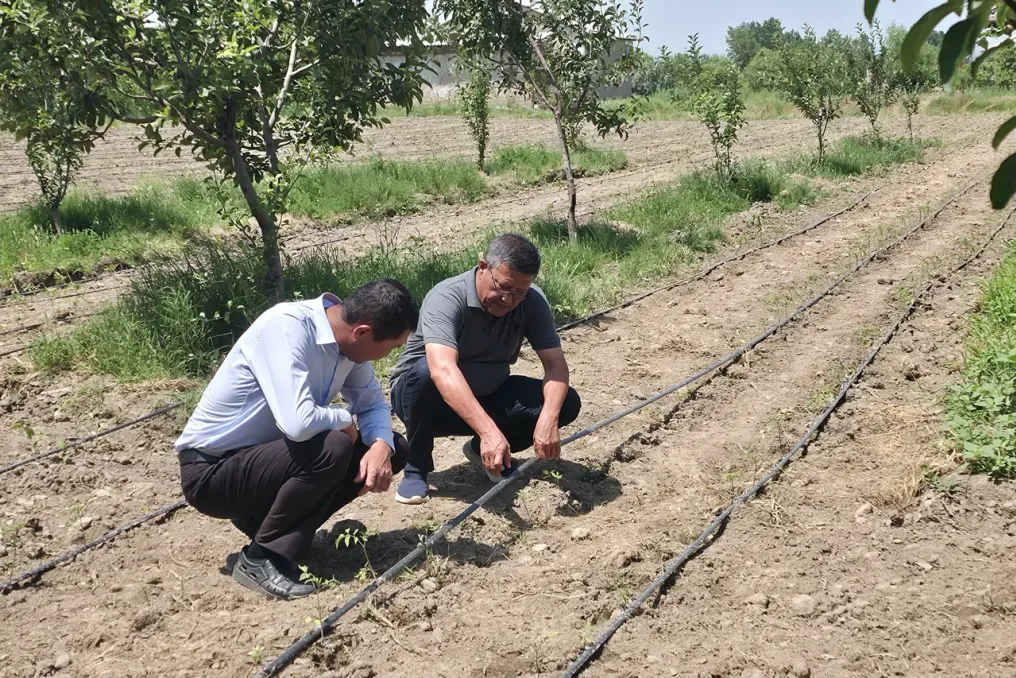
A set of modern equipment was gathered to support the participants, including solar energy systems, drip and smart irrigation, agricultural sprayers, shading nets, water pumps, and cold storage facilities. The implementation of these solutions is expected to significantly improve water use efficiency, reduce production costs, increase yields, and strengthen farms' resilience to the effects of climate change.
Project specialists conducted technical surveys of 15 orchards and 20 dehqan farms in the Bakhmal district. The survey indicated that water scarcity remains the main limiting factor for horticultural development. Solar irrigation systems were identified as one of the most effective solutions for rationally managing water resources and reducing farmers' dependence on traditional energy sources.
The project also demonstrates the potential of modern intensive horticultural technologies. While traditional apple orchards yield an average of 8–12 tons per hectare, intensive orchards are capable of producing 25–40 tons. The number of farmers transitioning to High Density Planting (HDP) systems, which can increase yields four to five times compared to traditional methods, is growing.
Hairulla Esonov, the project's technical specialist, noted: 'Creating a sustainable horticulture sector requires not only the introduction of modern technologies but also improving farmers' knowledge and skills, as well as providing practical solutions that meet local needs. Within this project, we help agricultural producers adopt precision agriculture technologies, use natural resources more efficiently, and enhance the long-term sustainability and competitiveness of horticultural production.'
In the next phase of the project, farmers will undergo training in Integrated Pest Management (IPM), precision agriculture technologies, and climate-smart agriculture. Procurement procedures have already been completed, allowing participants to receive the necessary equipment soon.
In addition to technical equipment for the farms, the project provides advisory support, infrastructure development, implementation of modern agrotechnologies, improvement of entrepreneurial skills, and expanded access for producers to sales markets. The implementation of the PARCH project contributes to the development of competitive, highly productive, and climate-resilient horticulture in Uzbekistan.