As August 15 approaches, the air is filled with patriotic fervor: loudspeakers blare, social media users change their avatars, and oaths of freedom are recited in speeches. However, a question arises: does the definition of freedom in today's India align with what we hear annually at the Red Fort?
This is particularly relevant given that a significant portion of the country's population belongs to the generation known globally as Gen-Z. This generation, born between 1997 and 2012, when they hear the word 'freedom,' do not only think about the history of 1947 or empty slogans. For them, freedom holds an extremely practical, personal meaning and is connected to daily life.
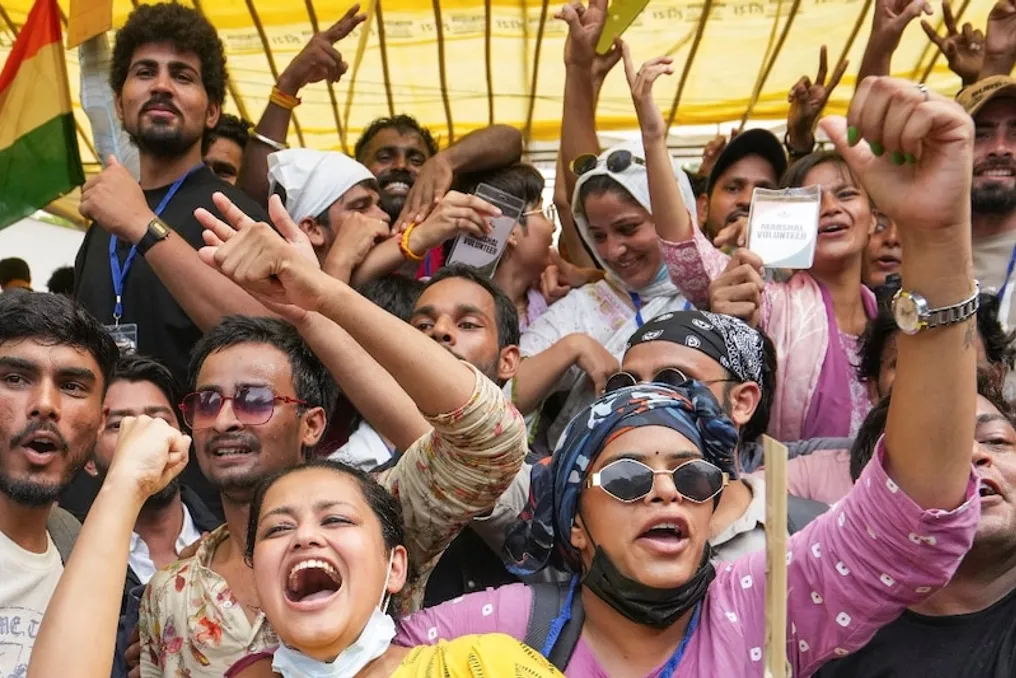
Recent observations at Jantar Mantar have provided insight into how Gen-Z thinks and what it is capable of doing. Therefore, when discussing Gen-Z and freedom, various spheres of life must be considered.
Since work culture and the workforce are subjects of active discussion, let us start with this aspect. To understand Gen-Z, one must examine their relationship with work and the office. This generation has decisively rejected the old norms of the corporate world. For them, work is not just a salary deposited into the bank at the end of the month, nor is it 12-hour burnout. They categorically refuse to accept the 'culture of hustle' as their identity.
Even in the office, Gen-Z seeks freedom, which for them means peace of mind, flexibility, and liberation from constant surveillance. Work-life balance is not a bonus for them; it is a prerequisite. If a job does not bring mental satisfaction, they do not hesitate to leave that position.
Moving from the office to home, this generation shows similar openness regarding family and society. The generation of our parents often suppressed their dreams out of fear of societal judgment. However, Gen-Z has set its boundaries. Questions about when and with whom to marry, what career path to take, or whether to have children at all, they decide themselves, rather than following advice from relatives or public opinion. Instead of making 'toxic compromises' in relationships, they choose 'emotional space.'
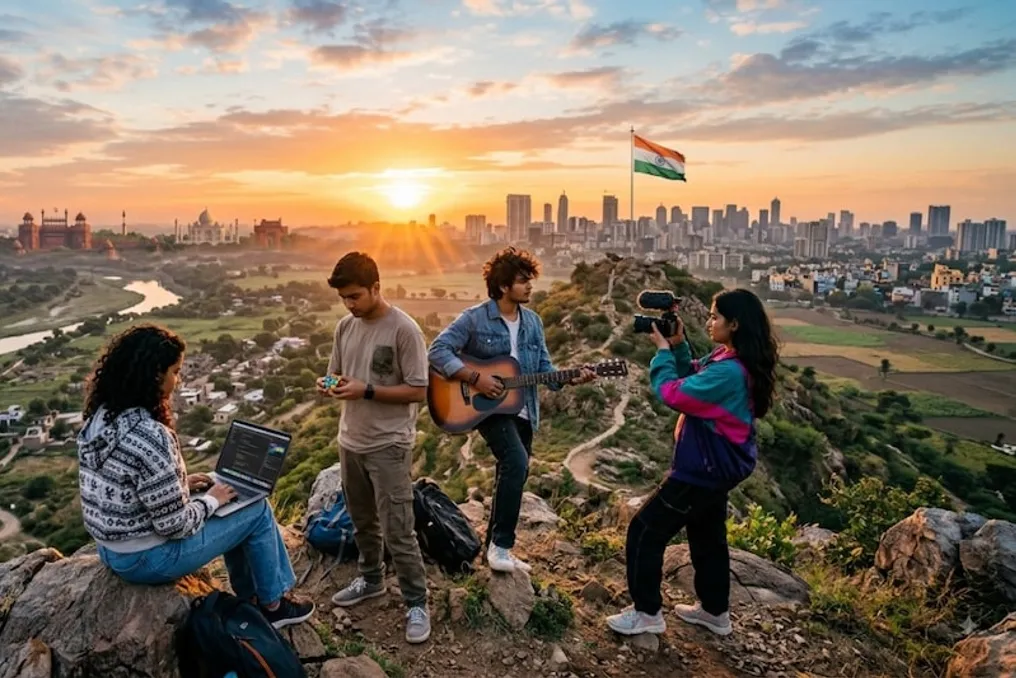
The greatest asset of Gen-Z is their creativity. Creativity and technology have provided this generation with a power that perhaps no one in history possessed. Artificial intelligence, the internet, and social media have freed them from dependence on large media conglomerates or manufacturing companies. A young person in the villages of Bihar or Rajasthan can create content from their phone that reaches millions of people directly. For them, creative freedom means the ability to express their viewpoint to the world without intermediaries or censorship. This is why modern heroes and influencers differ from those of the past.
A young man from Meerut might consider a YouTuber from Germany his hero, while a guy from a village in Jharkhand might gain worldwide love with his content.
Regarding government and civil rights, Gen-Z cannot be convinced by slogans. For them, freedom is the right to ask questions fearlessly, to live without fear of revealing one's identity, and the existence of a system where there is direct accountability on issues ranging from ecology to employment. Therefore, this generation believes more in actions than in promises.
However, there is a nuance here. We often err by viewing Gen-Z through a single lens. For example, everyone who participated in protests at Jantar Mantar was automatically labeled Gen-Z, and their trendy words were taken as the language of this generation. But it is important to understand that Indian Gen-Z is not a homogenous group. For Gen-Z living in the glossy cafes of Delhi or Mumbai with an iPhone in hand, freedom means the ability to travel alone, become digital nomads, or openly display their gender identity. Their struggle is not for basic needs but for 'lifestyle' and 'self-expression.'
But if the location changes, the situation changes. Look at Gen-Z in Tier 3 cities or in UP, Bihar, or MP villages. For them, the first and last step toward freedom is financial independence. Securing stable employment, escaping cramped living conditions, and breaking free from socio-caste ties—this is what true freedom means to them. As long as there is no money in their pockets and no job in their hands, concepts like mental health or work-life balance remain merely a luxury.
If viewed from a gender perspective, the fight for freedom for girls in rural areas is even more grounded. For them, freedom lies in having the ability to go out after seven in the evening without fear, finishing their education, and protecting themselves from early forced marriage.
Thus, while Gen-Z from metropolitan areas seeks personal space, Gen-Z from smaller towns is still fighting for equal opportunities.
Finally, let us turn to the dream of an 'developed India' by 2047, which is spoken of everywhere. When India celebrates 100 years of independence, it will be this Gen-Z generation, who will be between 35 and 50 years old then, that will govern the country. That Gen-Z generation that is currently being criticized...
_