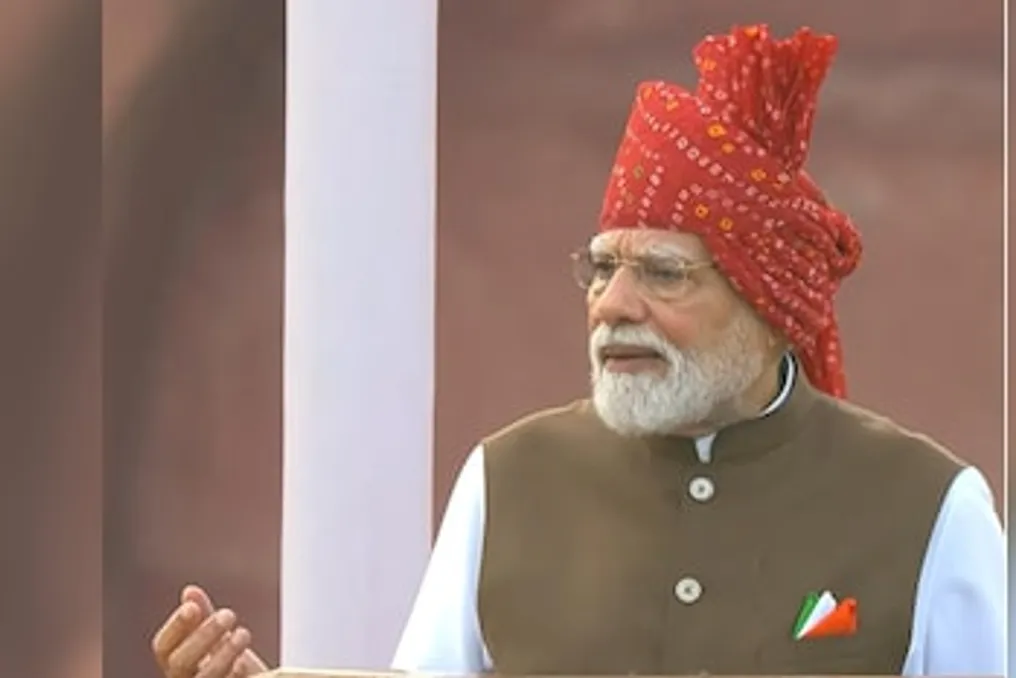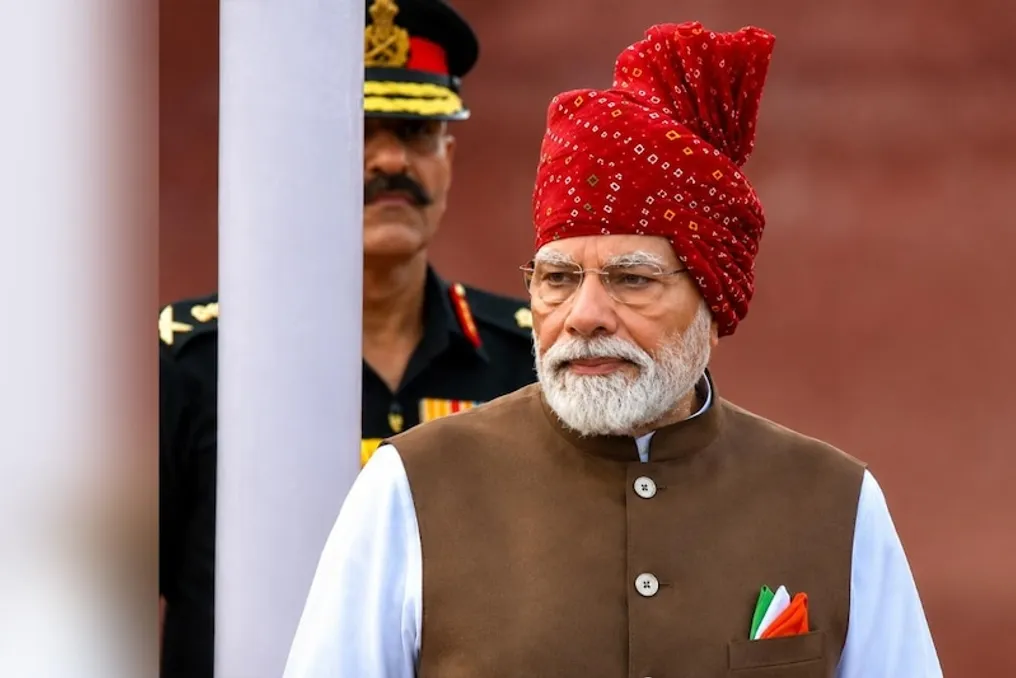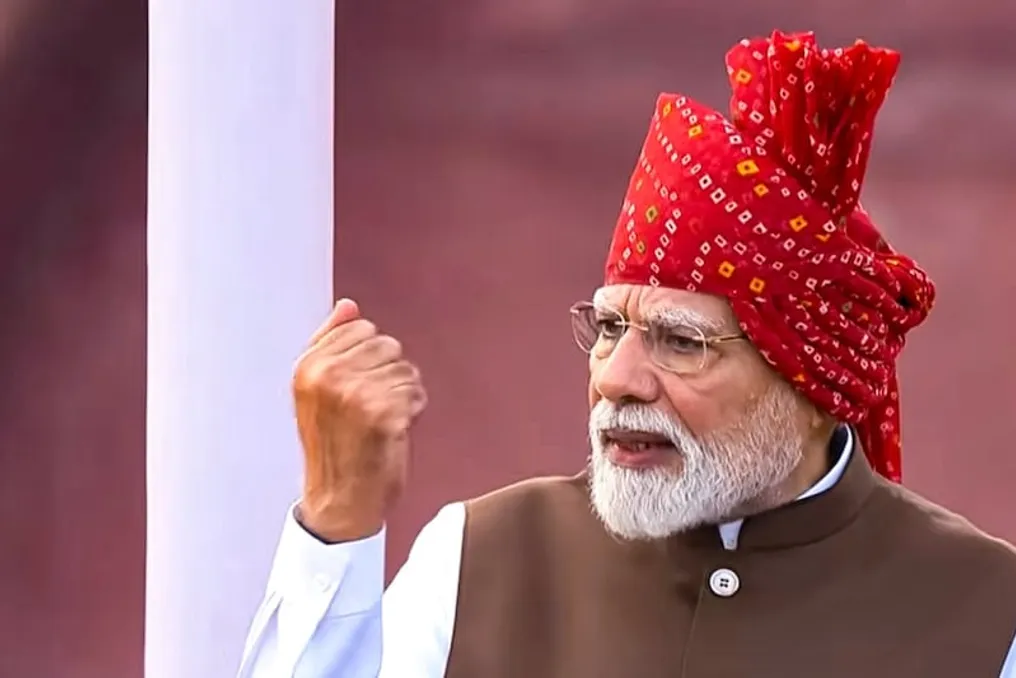
During the celebration of India's 80th Independence Day, Prime Minister Narendra Modi delivered a speech from the Red Fort parapet that was entirely focused on the country's youth, students, and researchers, known as 'Gen-Z'. The Prime Minister emphasized that the key to creating an 'Developed India by 2047' lies in the hands of India's youth and students.
Modi unveiled a large-scale plan for the youth, covering education, research, digital connectivity, and global opportunities. He announced several significant initiatives that serve as a kind of 'gift' for Gen-Z.
For students preparing for competitive exams and youth from low-income families, Prime Minister Narendra Modi announced the creation of a large-scale network of free learning. He stated that the goal is to ensure quality education for all sections of society. Free online preparation and digital resources will be organized for various examinations.
This decision will allow talented students from small towns and villages not to fall behind due to the high cost of paid education. The government is developing a digital and ground network where leading teachers and study materials will be available free of charge for entrance exam preparation.
To transform India from merely a consumer of technology into a 'global innovation hub,' Modi presented a vision for the development of research and R&D. He reported that a fund of one hundred billion rupees has been created to support innovation. It was noted that young people in private startups have shown success by launching prototype satellites, with the average age of these young people being 28 years, and over 250 thousand startups operating in the country.
For Gen-Z dreaming of studying abroad, this was important news. Modi noted that the status of the Indian education system is rising globally. From the Red Fort parapet, he stated that renowned and leading foreign universities are now beginning to open branches in India. This means that Indian students will no longer have to spend huge amounts of money on overseas education; they can obtain an international degree, research infrastructure, and global experience while remaining in India.
The Prime Minister also shared data on revolutionary changes in higher and medical education over the last decade. Narendra Modi reported that 650 new universities have been established in the country over 10–12 years, and the number of seats in medical institutions has increased to approximately 850, compared to about 400 before 2014. Furthermore, Modi highlighted special policies aimed at developing youth skills since 2014.
It was mentioned that the new education policy, introduced after a 35-year hiatus, has moved away from the tradition of rote learning in favor of practical knowledge. It is also noted that accessible internet traffic in India allows Gen-Z to acquire new skills, start startups, and participate in the digital economy while staying at home.