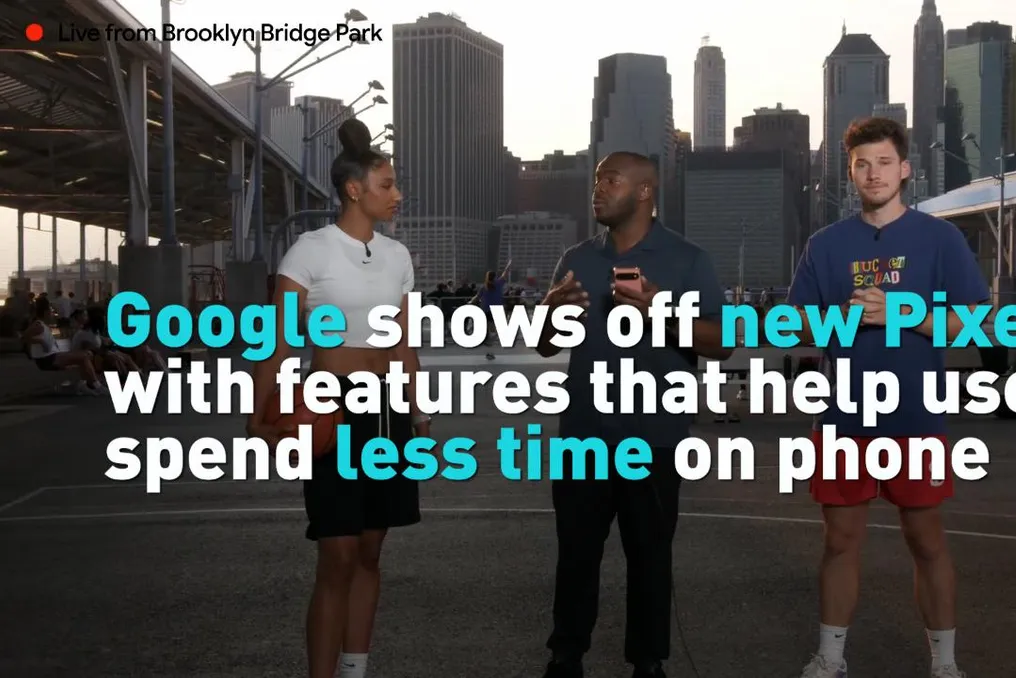
Google has unveiled a new series of Pixel devices, which includes the Pixel 11, Pixel 11 Pro, Pixel 11 Pro XL, and the foldable Pixel 11 Pro Fold. These gadgets are equipped with the new Tensor G6 processor, an updated camera array, and artificial intelligence features, although there have been no major revolutionary changes in the lineup.
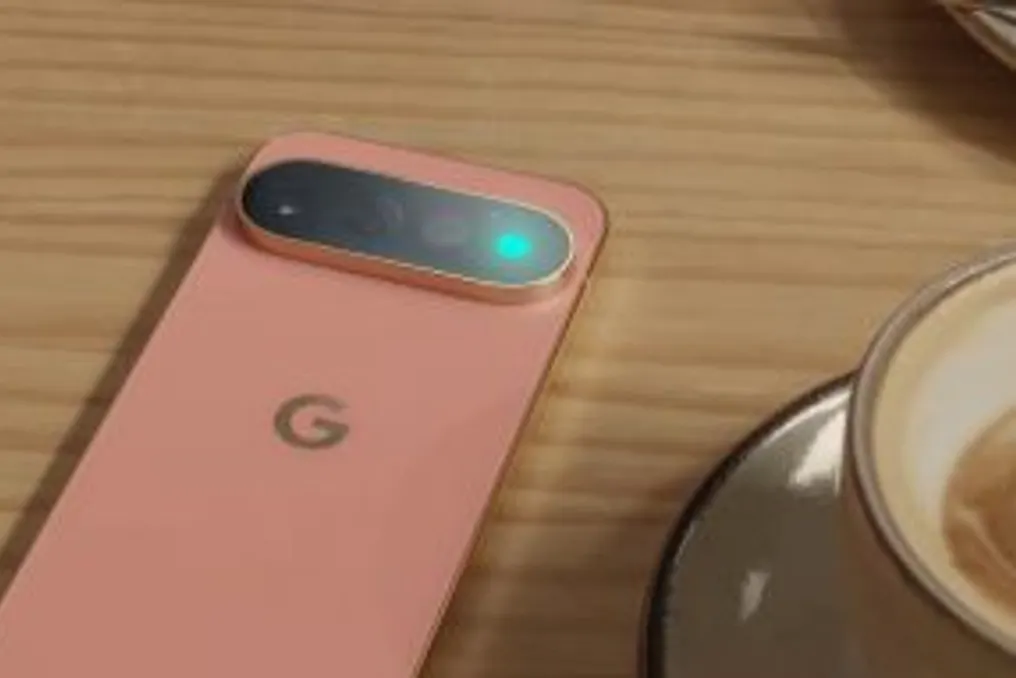
For the first time in this new generation, an LED notification indicator next to the cameras has appeared, named HiLight. Google continues to focus on computational photography without using extremely high-spec sensors.
The Pixel 11 will be available in the US starting at $899 USD (equivalent to approximately 4,650 Brazilian Reais at the direct exchange rate). The Pro models start from $1,099 USD (5,680 Reais), and the Pixel 11 Pro XL starts from $1,299 USD (6,720 Reais). This represents a price increase of $100 across all models compared to the previous generation.
The price hike is attributed to cost pressures in semiconductor and RAM. Furthermore, unlike the entire Pixel 10 Pro lineup, which initially offered 16GB of RAM, the new series starts with 12GB. As in previous years, there are no expected launch dates for Brazil.
In the Pro models and the Pixel 11 Pro Fold, Google added the HiLight feature—an RGB LED ring that signals certain notifications. The company actively promoted this feature in pre-release teasers, generating anticipation regarding HiLight's capabilities, such as battery level color indicators and new connections, which is an update to the famous BlackBerry device notification indicator.
However, according to a note, 'reality tends to be disappointing.' Currently, only two configuration options are available: reacting to interactions with Gemini Intelligence or flashing (in preset colors) when receiving calls from selected contacts. According to the demonstration video, the goal is for the user not to be distracted by numerous different notifications, but only by truly important calls.
The main update in the Pixel 11 family is the new Tensor G6 chip. This chip, which was manufactured by Google for the first time at the TSMC factory using 2nm lithography, promises up to 20% improved energy efficiency compared to the Tensor G5. In the three traditional models, storage starts at 256GB, and RAM starts at 12GB.
The Pixel 11 screen is a 6.3-inch OLED panel with a refresh rate from 60 to 120Hz. The Pixel 11 Pro retains the 6.3-inch size but uses an LTPO OLED display with a resolution of 1280 x 2856 pixels and a variable refresh rate from 1 to 120Hz; the Pixel 11 Pro XL increases the screen to 6.8 inches.
Regarding batteries, the Pixel 11 has a typical capacity of 4,985 mAh, the Pixel 11 Pro has 4,850 mAh, and the Pixel 11 Pro XL has 5,115 mAh. All devices support Qi2.2 magnetic wireless charging and have an IP68 rating against water and dust.
The Pixel 11 camera system is a triple configuration: a 48MP main lens (f/1.7), a 13MP ultrawide lens (f/2.2), and a 10.8MP telephoto lens (f/3.1) with 5x optical zoom and optical stabilization. The configuration is more powerful in the Pro versions: both versions use a 50MP main lens (f/1.68), a 48MP autofocus and macro ultrawide lens (f/1.7), and a 48MP telephoto lens (f/2.8).
Among the software features, the lineup includes Camera Looks, which modifies image processing to create stylized photography. The app also receives Magic Capture, capable of generating short hybrid clips and photos from long recordings, as well as the Creator Suite package, which includes a teleprompter, social media framing guides, and voice isolation.
Concluding the list of innovations, the Pixel 11 Pro Fold maintains Google's premium foldable concept. The brand has abandoned the trend of 'passport'-sized foldables and retained a traditional design, featuring a large external screen of 6.5 inches and an internal screen (when unfolded) of 8 inches. This model uses the same Tensor G6 as the main lineup, supports Qi2.2, and inherits the 48MP main camera from the Pixel 11. Unlike its 'regular' siblings, it comes with a base configuration of 16GB of RAM and 256GB of storage. However, the battery capacity has been reduced to 4,800 mAh, compared to 5,015 mAh in the Pixel 10 Pro Fold, although Google promises up to 24 hours of usage.