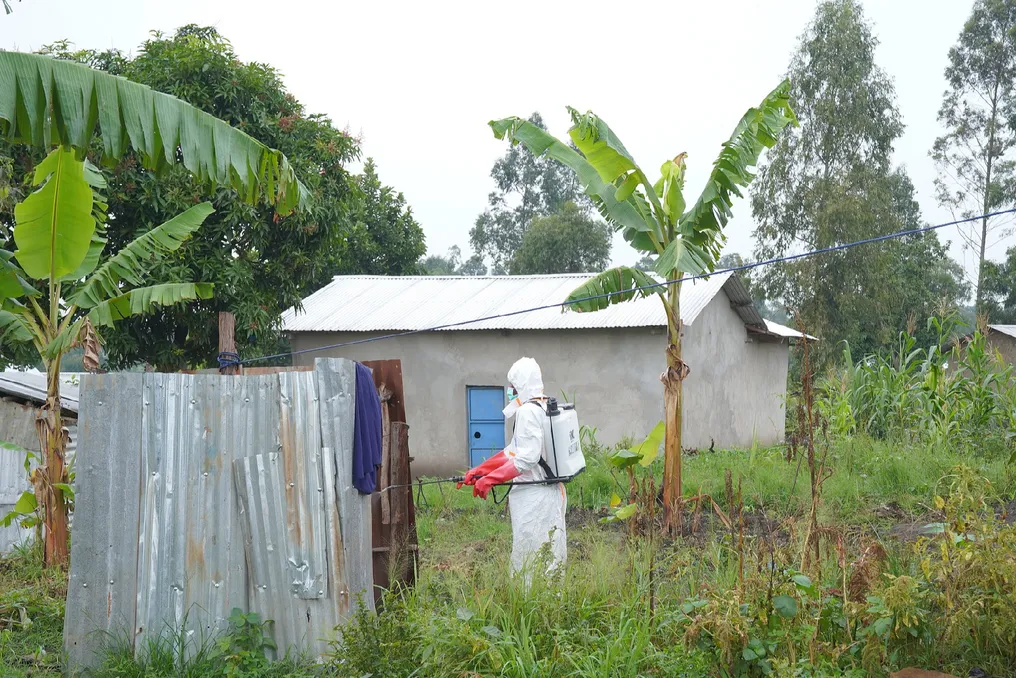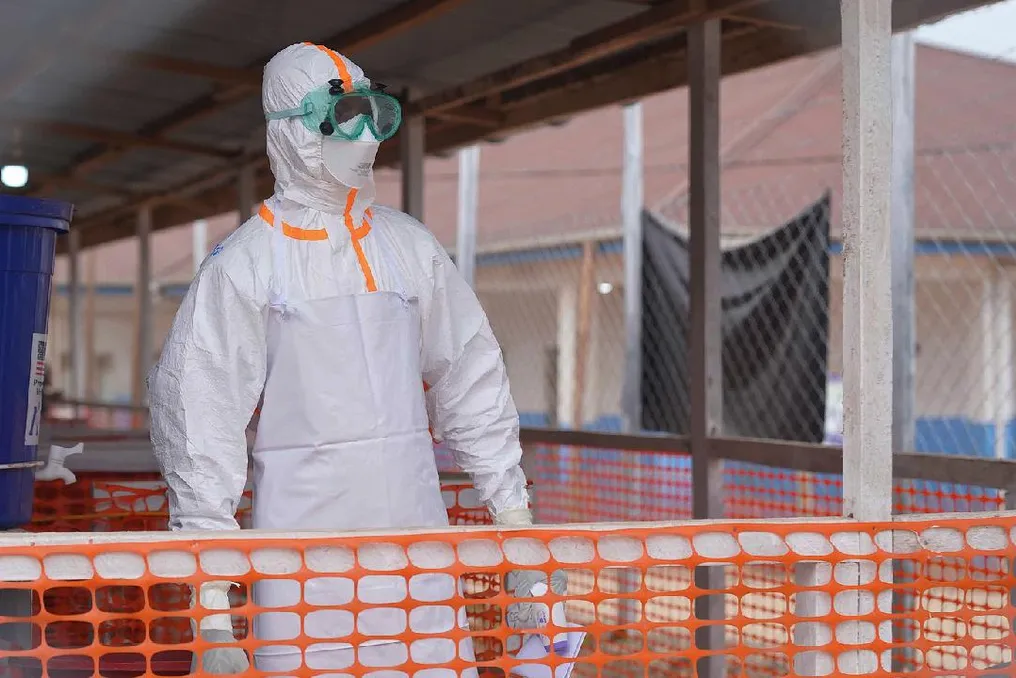
Concerns are growing over the wider regional spread of the virus after Ebola reached a sixth province in the Democratic Republic of Congo, with neighboring South Sudan also facing a threat.
The outbreak, concentrated in the conflict-affected Ituri province, has become the largest Ebola outbreak recorded in the DRC and is moving towards becoming the deadliest in the country.
Declared on May 15, the outbreak is believed to have been spreading for several weeks and is the seventeenth Ebola outbreak in the DRC. The previous deadliest outbreak in the country, which occurred between 2018 and 2020, claimed the lives of nearly 2300 people out of approximately 3500 registered cases.
According to official data, the current outbreak has resulted in more than 2128 deaths from 4566 confirmed cases. Previously, cases were recorded in five provinces: Ituri, bordering Uganda and South Sudan; North Kivu, South Kivu, Auto-Uele, and Tshopo.
On Thursday, Jean Kaseya, head of the African Centres for Disease Control and Prevention, told reporters that one person died of Ebola in the northern Bas-Uele province after traveling from neighboring Auto-Uele.
The African Centre for Disease Control stated that the virus is spreading at unprecedented rates. The African Centre for Disease Control noted that in the first three months of the DRC outbreak, it registered seven times more cases and five times more deaths than were recorded during the Ebola outbreak in West Africa in 2014, which was the largest in history.
The World Health Organization stated on Wednesday that it hopes to localize the spread of Ebola in the DRC within three months. However, the organization Mercy Corps warned on Thursday that the virus could penetrate neighboring South Sudan, which shares a border with the Ituri and Auto-Uele provinces of the DRC.
The organization's statement indicated: 'Confirmed cases are only 35 kilometers (22 miles) from the border with South Sudan, along high-risk movement corridors.' Furthermore, Mercy Corps added that response measures in the DRC are hampered by overloaded medical services, lack of clean water and safe toilets, fragile trust, and instability.
Some affected provinces are densely populated and have a weak government presence, and are largely lacking in medical infrastructure.