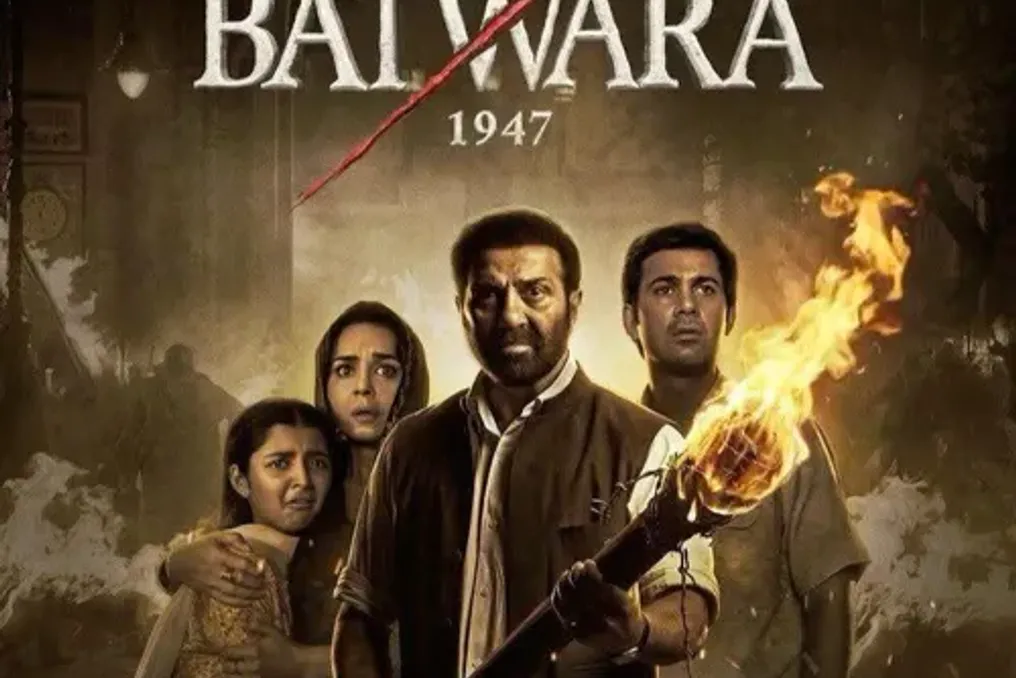
In India, the week leading up to August 15th has long gone beyond simply raising the flag and playing national anthems; it has transformed into the main arena for cinematic battles. The global release of the film '1947 Batwara,' dedicated to the partition of British India into India and Pakistan in 1947, will take place this weekend, including in South Africa.
For decades, the thematic landscape of films released during Independence Day has reflected the political, social, and economic changes within the country itself. The definition of a patriot on screen has undergone a significant transformation over 77 years since India gained independence. It has shifted from depicting the socialist builder of a new republic to a soldier on the front lines of border conflicts, and subsequently to a secret agent and hero of modern digital-age historical epics.
Partition
In the first decades after 1947, the young republic of India struggled with poverty, industrialization, and the immense task of achieving self-sufficiency. The wounds of the brutal partition were fresh, and the primary objective was consolidation and survival. Consequently, cinema of this period focused predominantly on social realism, improving rural life, workers' rights, and socialist ideals, rather than military confrontations.
The filmmakers of the golden age of Indian cinema viewed independence not as an achieved goal, but as a continuous struggle to improve the welfare of marginalized sections of the population. Central themes revolved around secularism, the dignity of agricultural labor, and the fight against internal social vices such as caste discrimination and feudalism. This era is marked by Mehboob Khan's epic drama 'Mother India' (1957), which set a high bar for nationalist narrative by using the resilience, sacrifice, and moral strength of the mother as an allegory for the difficulties and endurance of the newly independent nation.
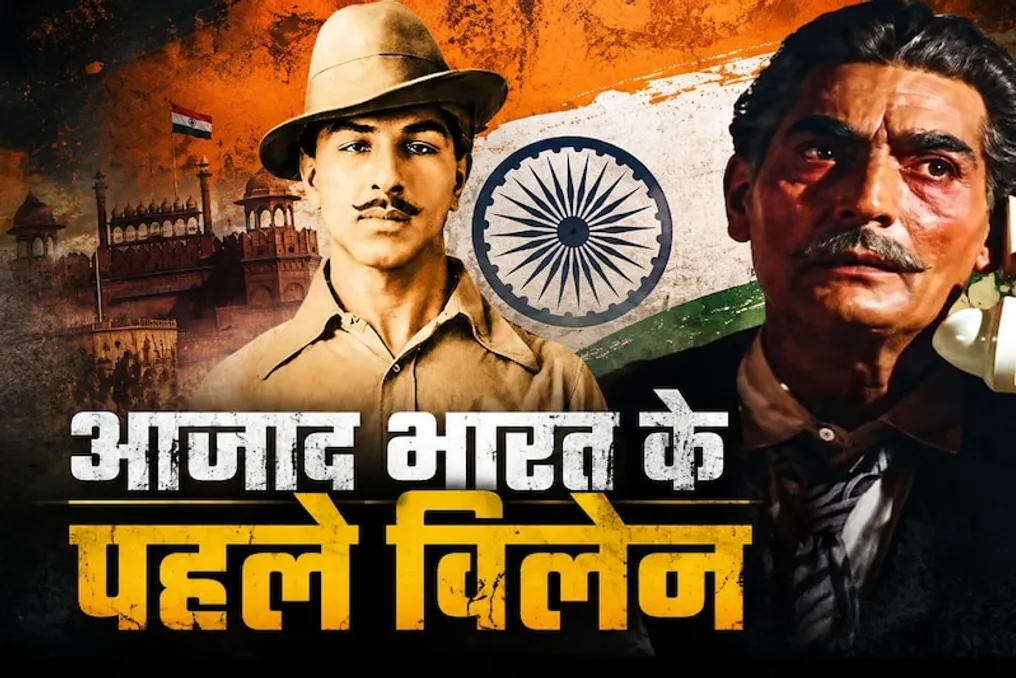
Similarly, films like 'Naya Daur' (1957) explored the tension between traditional livelihoods and the rapid pace of industrialization, while biographical dramas such as 'Shaheed' (1965) successfully revived the memory of freedom fighters, such as Bhagat Singh, to inspire the youth post-independence.
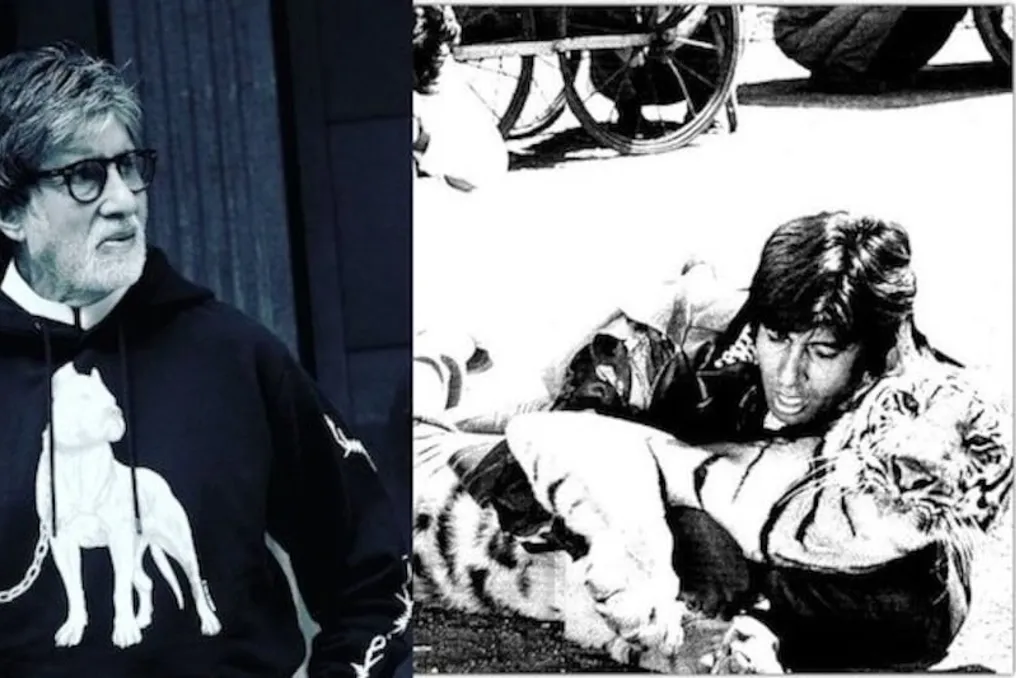
By the 1970s, the utopian vision of early independence began to crumble due to economic stagnation, urban unemployment, and political disillusionment. This period gave rise to the image of the 'angry young man,' popularized by Amitabh Bachchan, who became a hero in the fight against corruption at all levels. It was also in this decade that Independence Day releases began to address cultural anxieties regarding Westernization versus traditional Indian values, shifting the patriotic narrative towards preserving cultural roots in the face of external influence. Landmark films like 'Purab Aur Pachchim' (1970) explored the cultural friction faced by Indians living abroad, explicitly emphasizing the moral superiority of Indian heritage. Simultaneously, large-scale historical epics, such as 'Kranti' (1981), served as artistic recollections of the struggle against British colonial rule, acting as a nostalgic reminder of collective sacrifice amid a turbulent domestic political climate.
As tensions escalated with neighbors Pakistan and China, Indian patriotic cinema underwent a sharp tonal shift in the late 1990s. Patriotism became louder, stronger, and heavily focused on military valor and national defense. Cinema releases during Independence Day transformed into a demonstration of national pride. J.P. Dutta's film 'Border' (1997), based on the Battle of Longewala in 1971, set a new standard for war films by deeply focusing on the emotional and physical toll taken on soldiers. This trend reached its historical peak in 2001 when 'Gadar: Ek Prem Katha' and 'Lagaan' competed at the Independence Day week box office. While 'Gadar' conveyed the raw, visceral trauma of partition and cross-border hostility, 'Lagaan' presented anti-colonial resistance through a cult, unifying cricket match. Both films broke records, proving that audiences crave high-stakes stories of overcoming external oppression.
The mid-2000s heralded a more introspective, urban view of nationalism geared toward the youth. Instead of fighting external enemies or historical oppressors, the protagonists in these films began confronting internal apathy, systemic corruption, and political indifference. Patriotism was redefined as civic responsibility. 'Rang De Basanti' (2006) connected historically significant freedom fighters with contemporary urban youth, inspiring real cultural movements of protest and civic accountability. Around the same time, 'Swades' (2004) addressed the issue of brain drain, urging expatriates to direct their skills toward grassroots development in rural India. Concurrently, sports dramas like 'Chak De! India' (2007) redefined national pride by dismantling religious and gender stereotypes and uniting the country around a collective sporting triumph.
In the modern era, the Independence Day week has become the prime time for major releases focusing on covert operations, real military surgical strikes, biographies of unsung heroes, and massive pan-Indian historical spectacles. The contemporary audience responds to tactical precision, espionage, and geopolitical assertiveness. Films such as 'Uri: The Surgical Strike' (2019) popularized a sharper, strategically oriented subgenre of military action, while pictures like 'Raazi' (2018) and 'Shershaah' (2021) illuminated the agonizing, deeply personal sacrifices made by individual agents and soldiers operating in the shadows.
Ultimately, the evolution of Independence Day cinema tells a profound story. As India grows economically and politically on the world stage, its cinematic expression of patriotism matures—transitioning from the quiet efforts of a newborn nation to the confident, high-stakes declarations of a modern global superpower.