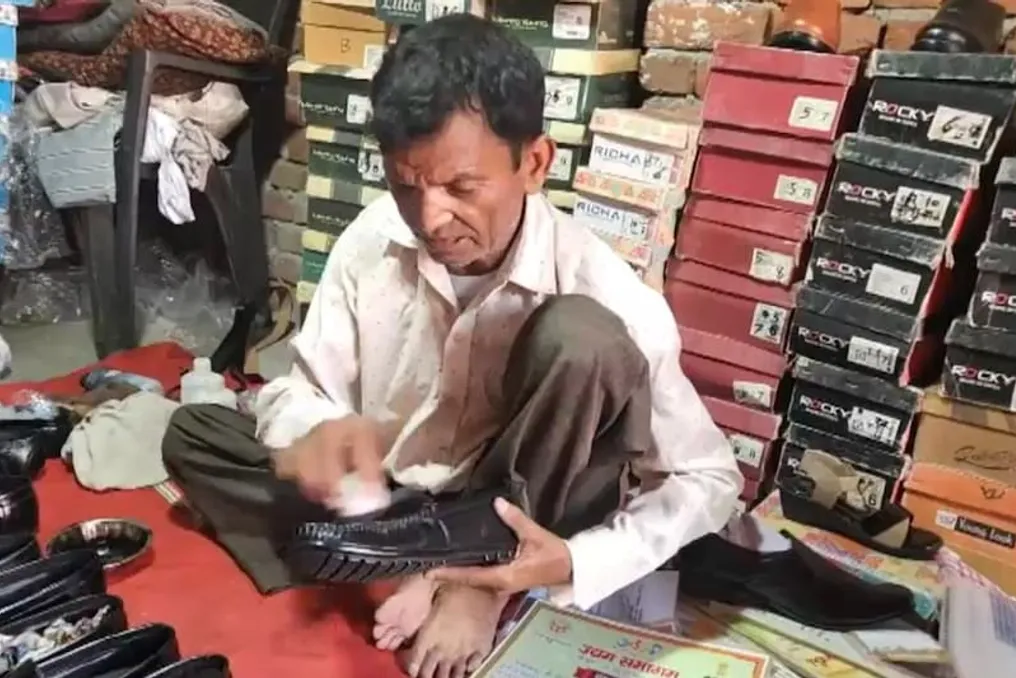
Agra, primarily known for the Taj Mahal, is also famous for manufacturing shoes, slippers, and other leather products. Previously, this work was limited to small homes and workshops, but now it is transforming the lives of thousands of people. The main reason for this change is the Uttar Pradesh government's 'One District, One Product' (ODOP) scheme. This scheme has provided artisans with training, modern machinery, financial assistance, and market access, which is positively impacting their income.
Agra is one of the major footwear hubs in the country, where manufactured shoes and leather goods are exported not only within India but also internationally. According to Anuj Kumar Singh, Joint Commissioner of the industry, ODOP is not just a scheme but a group of several schemes. Initially, Agra was selected for leather and stone and marble handicrafts, after which non-leather footwear was also included in it.
Currently, leather products worth about ₹4,000 crore are exported from Agra. Around 150 export units are associated with this industry, and the livelihoods of 4 to 5 lakh people depend on this trade.
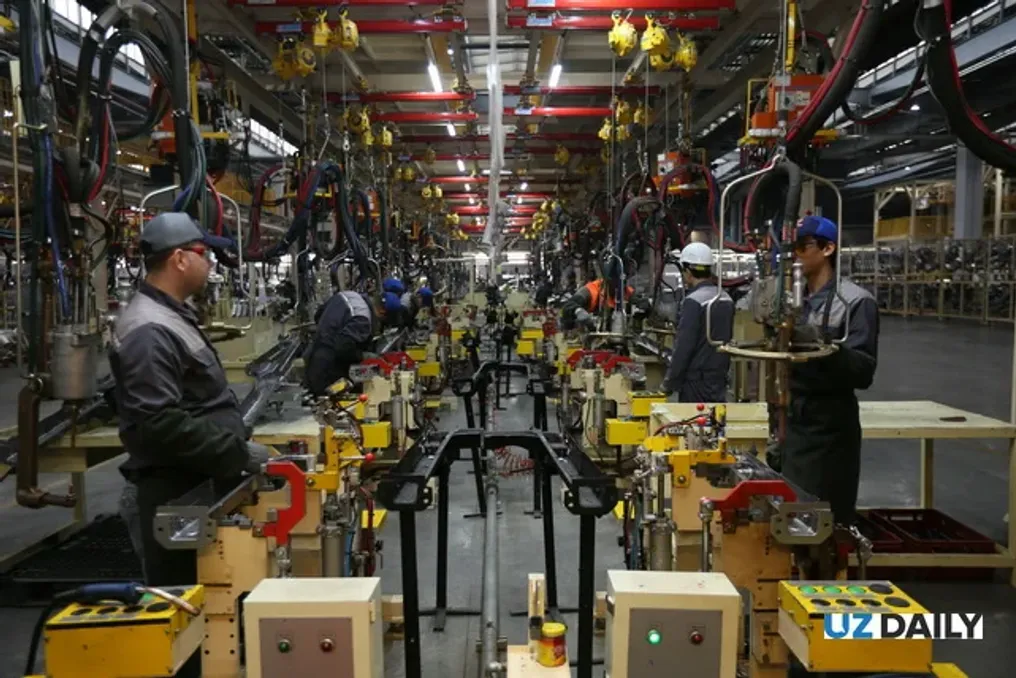
The true strength of any industry lies not in its machines, but in the people who drive it forward. With this thought in mind, a Common Facility Centre has been established in Nawada village on Shamshabad Road. Here, youth are trained in cutting, stitching, finishing, packaging, and working on modern machinery. The center is not limited to teaching skills; it also shows entrepreneurs the path to start their own businesses. Trainer Akash Tomar states that many young people who came to the center had never worked on a machine before, but now they are preparing products that are sold in the market.
The objective of the ODOP scheme is not just to teach skills. Under this scheme, artisans can receive loans from banks, subsidies of 10 to 25 percent, and assistance of up to ₹5 lakh under the Chief Minister Youth Entrepreneur Scheme. Additionally, they get opportunities for toolkits, sewing machines, and participation in exhibitions held across the country. The effort is to ensure that artisans start their own enterprises instead of looking for jobs.
The young women training at the Common Facility Centre present the most inspiring picture of this initiative. Some are making bags, some are preparing purses, and some are working on wallets. Many women are making such products with their own hands for the first time that are sold in the market. Lakshmi, who is undergoing training, says that she never imagined before that she would be able to make such products herself. After three months of training, she has gained confidence, and now she believes she can become self-reliant.
In conclusion, Agra's identity is not limited to the Taj Mahal; the skilled artisans of this city are also a great strength. The ODOP scheme has successfully connected these hands with new technology, training, and the market. The result is clearly visible in the income of the artisans, their confidence, and the overall business. This change shows that if skills are given proper opportunities, artisans from small towns can also make their mark nationally and globally.