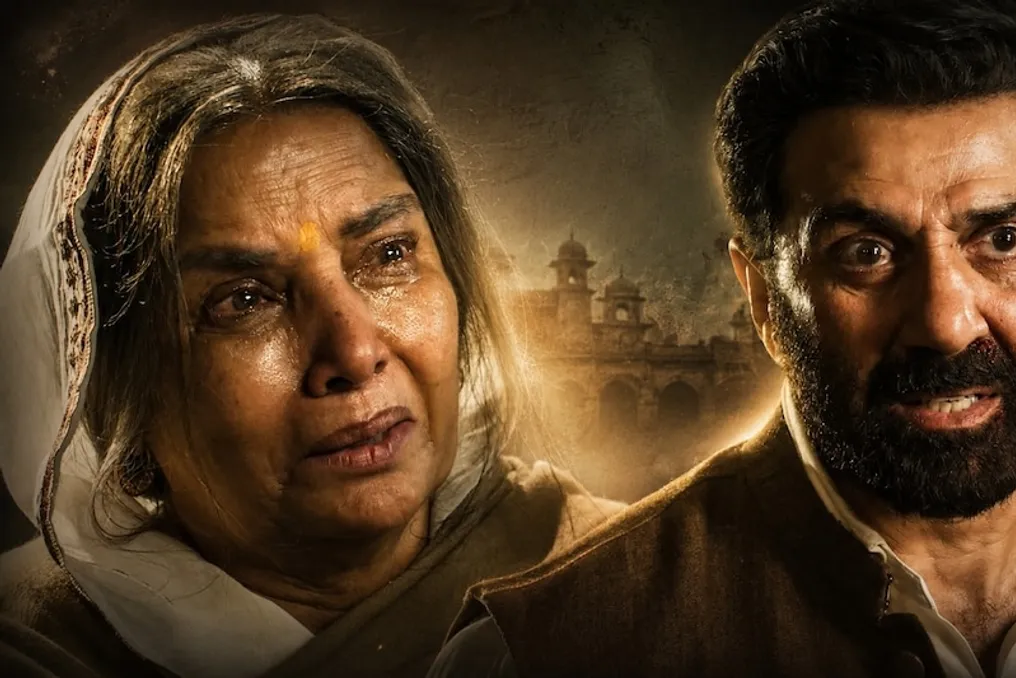
Pride for India is being celebrated on the occasion of the 80th anniversary of Independence Day. As August 15th, Independence Day, approaches, Bollywood often releases films that tell stories of heroes, soldiers, and the fight for freedom. However, it is known that the genre of patriotic films did not begin after August 15, 1947, but a decade before that, under the direction of a British director.
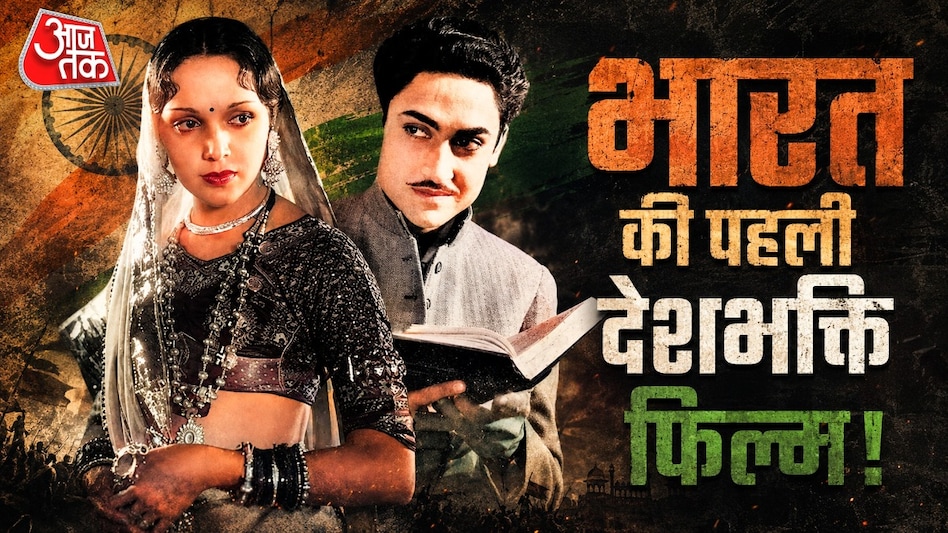
When the independence movement reached its peak, and India was under the rule of the British Empire, the film 'Janmabhoomi' was released in 1936. This film, directed by German filmmaker Franz Osten, is recognized as the first patriotic film in Hindi cinema. Ashok Kumar and Devika Rani starred in the leading roles.
The film demonstrated the idea that patriotism is shown not only through speeches or slogans but also through serving one's homeland and its people. Below is a story about this historic film, which is already 90 years old.
In 1936, when 'Janmabhoomi' was shown to the general public, issues of self-governance, unity, and social reforms were actively discussed in India. The film was produced by Bombay Talkies. Instead of focusing on military actions or political figures, the film chose a rural setting. Through this backdrop, the creators tried to convey the idea that solving problems and helping ordinary Indians is also a form of service to the country.
The film featured the famous pair of the time—Ashok Kumar and Devika Rani. Ashok Kumar played Dr. Ajay Kumar Ghosh, and Devika Rani portrayed Pratima Devi. Their participation gave the film great popularity. Furthermore, the renowned composer of that period, Saraswati Devi, created magnificent music for the film that won the hearts of the audience.
The plot revolves around Dr. Ajay. After the sudden death of a close friend, Ajay experiences a deep crisis, which radically changes his view of life. He gives up comfortable and luxurious city life and decides to focus on treating and helping the poor and underprivileged residents of his village.
Ajay's decision to go to the village was not easy. He had to distance himself from his beloved, Pratima. Ajay asked her to forget him, but Pratima was unwilling to retreat so easily. She came to the village herself and began assisting Ajay in his work. In the village, Ajay not only provided medical aid but also stood against vices, superstitions, and caste discrimination.
Ajay's attempts to improve society were disliked by the local landlord, his assistant Sanatan, the priest, and the moneylender. They felt that the doctor was challenging their long-standing power and influence. All of them began inciting the villagers against the doctor. The situation escalated when Sanatan conspired with the landlord to poison him with arsenic and blamed Dr. Ajay. Ajay was arrested, but later medical examination and investigation proved that Sanatan had acquired the poison. After this, Ajay was acquitted and released, after which he continued his mission.
A special feature of this film was its immortal song 'Jai Jai Janani Janmabhoomi'. It was written by Yamuna Swarup Kashyap. This anthem is considered the first completely patriotic song in Hindi cinema. During the struggle for independence, this song became known among the populace and filled revolutionaries and common people with new enthusiasm.
'Janmabhoomi' was also remembered for its actors. Devika Rani, known as the 'first lady' of Indian cinema, was one of the biggest stars of that era. She later received the Dada Saheb Phalke Award and the Padma Shri. For Ashok Kumar, this was the initial stage of his career, from which began a long and memorable journey.
Today, when speaking of patriotic films, the images of soldiers fighting on the border or freedom fighters who sacrificed their lives for the country are more commonly brought to mind. However, 'Janmabhoomi' taught us 90 years ago that improving the lives of others, eliminating discrimination, and serving society is what patriotism truly is. This is why this film is a priceless page in the history of Indian cinema.