Currently, various games already utilize opponents controlled by artificial intelligence (AI) in their multiplayer modes. This feature serves as a solution to a common challenge in purely multiplayer games: ensuring a sufficient number of participants for an enjoyable gaming session. Additionally, the presence of AI-driven NPCs has been seen as a way to overcome the difficulty of attracting new users to these titles.
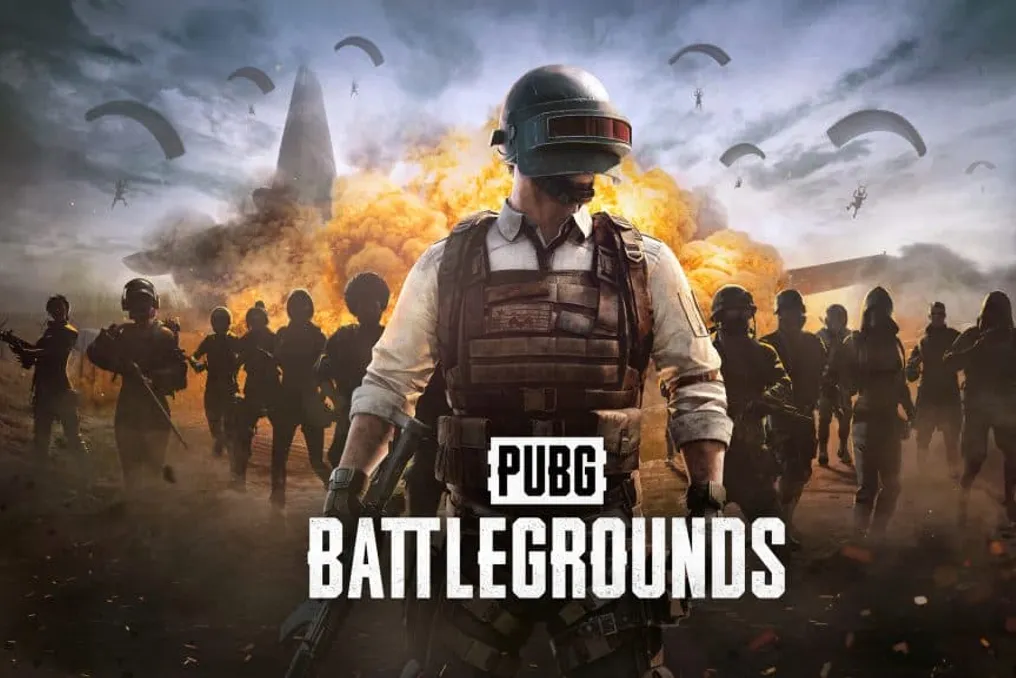
The case of PUBG illustrates how this mechanic can be beneficial. At its peak popularity, the game attracted many experienced and competitive players, which ended up driving away newcomers who frequently suffered defeats and consequently lost interest in continuing to play. This scenario reflects a recurring problem in highly popular online games, as pointed out by Liangfei Qiu, a researcher and co-author of a study on the integration of AI in online multiplayer games.
In 2020, PUBG implemented the use of AI-controlled opponents, configured to be slightly less skilled than average players, in certain matches. This change significantly facilitated the experience of newcomers, allowing them to gain confidence and develop skills in the game. The results were quantifiable: players spent 50% more time playing. However, this increase was not limited only to matches against machines; there was also a 28% growth in team matches with friends.
Since players generally could not discern who was a bot, this boosted their confidence and willingness to play. Despite this, the game maintained modes dedicated exclusively to human players, aimed at those more experienced and confident who sought a more authentic experience.
The study titled 'Interlopers or Catalysts? Dissecting the Impact of Incorporating AI Players on Multiplayer Online Games,' conducted by Liangfei Qiu, Zhechao Yang, and Qili Wang, examines the correlation between AI opponents and satisfaction in online gaming. Although PUBG is the main focus, the study offers valuable insights into the human reaction to the implementation of these features.
Beyond the increase in playtime, the research suggests that designing mid-level opponents makes successes feel like a reflection of the player's own ability, especially because these adversaries are difficult to distinguish from ordinary human players. This results in a higher perception of self-efficacy and team responsibility, which can boost audience engagement and the frequency with which players form groups with friends.
However, the benefits of engagement and team formation were more noticeable among novice players. Those who initially opted for random teammates showed a greater propensity to form teams with friends after the introduction of AI opponents.