When studying standard Indian history textbooks, it is easy to assume that the fight for freedom was exclusively the domain of men, with the exception of a few well-known figures such as Sarojini Naidu or Annie Besant. However, this is not the case.
Behind major political negotiations and famous speeches were teenage girls managing underground radio stations; grandmothers who walked directly into police fire; and young women secretly smuggling revolutionaries past colonial intelligence. They did not just participate—they led, plotted, threw bombs, and held the tricolor until their last breath.
Nevertheless, history has quietly erased them from memory. Below are ten women who gave everything for India's liberation, and the reasons why it is important to remember their names today.
Age does not matter when facing colonial rifles.
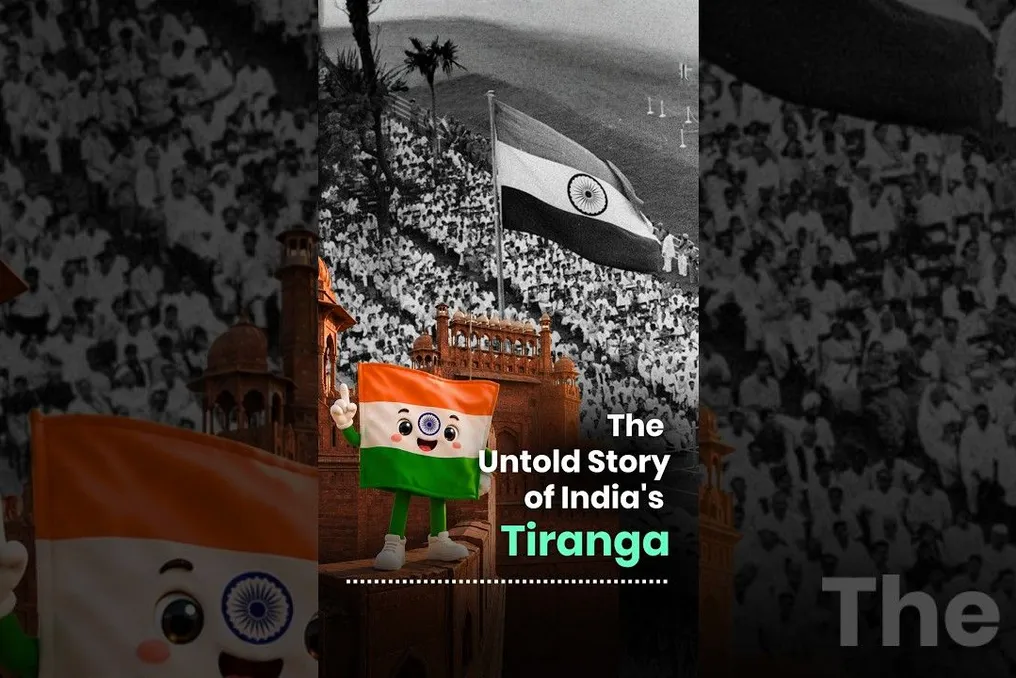
Imagine a 73-year-old woman leading a massive, defiant procession to a police station in Tamluk during the peak of the Quit India Movement in 1942. The British police shouted at the crowd to stop and opened fire. Matangini Hazra did not flinch. A local resident, known as Gandhi Puri (Old Gandhianka), continued walking forward, holding the national flag high and chanting 'Vande Mataram.' She was wounded several times, but she did not let the flag touch the ground until she fell.
A 17-year-old leader who knew exactly what she was dying for.
Kanaklata Barua had barely left childhood when she took charge of the Mitri Bahini (Death Squad) in Assam. On September 20, 1942, the 17-year-old girl led an unarmed group to hoist the tricolor at the Gohpur police station. When the police warned her that they were about to shoot, she did not turn around. She kept moving, holding the flag, until colonial bullets felled her.
A teacher who attacked a white supremacist club.
Pritilata was a brilliant student and school principal who chose revolutionary violence over passive submission. Joining the Surya Sena revolutionary cell in Chittagong, the 21-year-old Pritilata led an armed attack on the Pahartali European Club—a place notorious for the sign outside reading: 'Dogs and Indians are not allowed.' The raid was successful, but Pritilata came under crossfire. Refusing to allow the Raj to capture, interrogate, or parade her as a trophy, she took cyanide and died on her own terms.
The mastermind behind Bhagat Singh's disguise operation.
History books like to call Durga Bhabhi a 'helper' to male revolutionaries, but clarification is needed: she was an operative herself. After Bhagat Singh and Shivaram Rajguru killed the British officer J.P. Saunders in Lahore, Raj began a massive manhunt. This is where Durga Bhabhi appeared. Disguising herself as Bhagat Singh's stylish, affluent wife—with a child in tow—she calmly guided him past colonial guards and onto a train to Calcutta. She managed secret hideouts, financed revolutionary networks, and was one of the most ardent members of HSRA.
A bomb-thrower who refused to stay in the kitchen.
Another legendary figure from the Surya Sena network in Chittagong, Kalpana Datta, did not just support the uprising—she created it. She specialized in making explosives and disguised herself in men's clothing to transport ammunition through British checkpoints. She was arrested after an armed confrontation in 1933 and sentenced to life imprisonment. While Surya Sen was executed, Kalpana survived him and told the story of a generation of young women who traded pens and paper for dynamite.
She bandaged her husband's bullet wound and completed the march.
During the Quit India protests in 1942, Tara Rani and her husband Phulendu were marching to the Sivan police station when the police opened fire. Phulendu was instantly killed. Tara Rani did not scream or retreat. She tore a strip from her sari, bandaged his bleeding body, ordered him to stay put, and returned to the front line carrying the flag. When she finally returned to him after conducting the protest, he had already passed away. However, her resolve never faded.