According to data from the Waste Management and Circular Economy Development Agency, Uzbekistan intends to reduce the total number of landfills for solid household waste by at least 50% by 2030.
According to data from the Waste Management and Circular Economy Development Agency, Uzbekistan intends to reduce the total number of landfills for solid household waste by at least 50% by 2030.
Currently, 200 such landfills operate in the country, covering a total area of 1653.47 hectares. Daily, between 14,000 and 15,000 tons of waste are delivered to the operational sites. Of the active sites, 135 landfills are located in Karakalpakstan and 12 other regions.
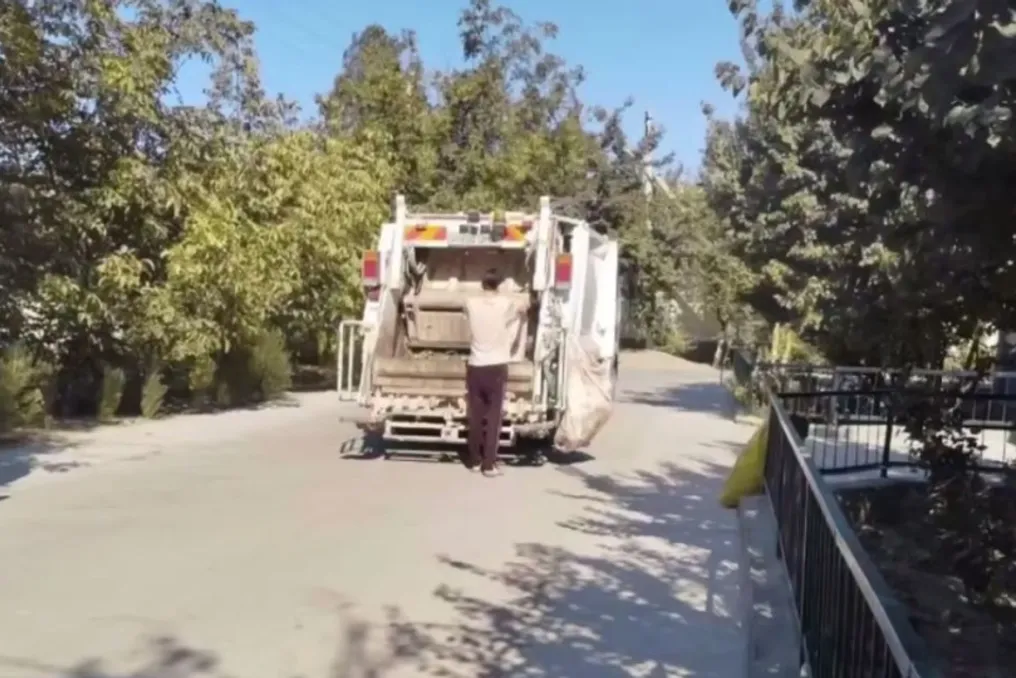
On average, specialized vehicles serviced by sanitary companies and other organizations make between 4,500 and 4,700 trips to these sites daily.
In line with the established goals, it is expected that the reduction in the number of landfills will reach 20% in 2025, 26% in 2026, 30% in 2027, 35% in 2028, 40% in 2029, and 50% in 2030.
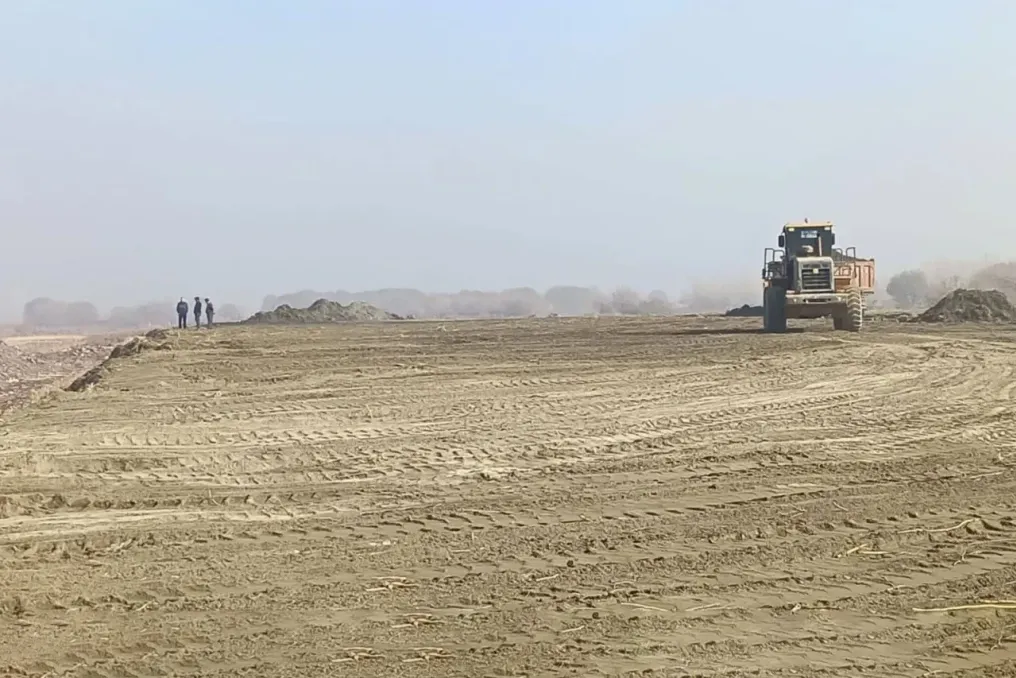
During 2024–2025, 50 solid household waste landfills covering a total area of 255.9 hectares were closed, where reclamation work was carried out. This resulted in a 26% decrease in the total number of landfills.
In 2026, according to a presidential decree, the reclamation of another 18 municipal waste landfills is planned. This will increase the total number of closed landfills to 68, representing a 34% reduction.
Work is also underway to organize the waste sorting process. Within the first six months of this year, 98 solid household waste landfills were entered into the electronic public procurement platform for competitive selection of entrepreneurs.
As of August 1st, contractors who won the tenders have already been selected for 22 of these sites. Thus, the further reduction in the number of landfills is planned through the closure and reclamation of facilities, as well as the development of waste sorting services.
A nationwide campaign called 'Relevant 40 Days' is underway in Uzbekistan, coinciding with the celebration of the country's 35th anniversary of state independence. These events are scheduled from July 28 to September 6 and aim to improve the sanitary condition of settlements, raise residents' environmental awareness, and ensure timely waste removal and territory improvement.
Special headquarters have been formed in the Waste Management and Circular Economy Development Agency, as well as in its territorial departments and systemic organizations, to effectively coordinate all work. Responsible employees have been assigned to each region, round-the-clock duty shifts have been established, and daily monitoring is being conducted. Currently, the campaign covers 3604 out of the republic's total 8150 mahallas.
On average, 3 to 4 thousand units of specialized equipment and about 8–10 thousand workers are involved daily for sanitary cleaning. The daily volume of waste removed includes 16 to 20 thousand tons of municipal solid waste and 1.5 to 2 thousand tons of construction waste.
Specifically, on August 5, 2732 units of equipment and 8996 specialists were engaged, removing 18.5 thousand tons of waste in one day. Of the 64 detected equipment malfunctions, 52 were quickly resolved, 12 units were replaced, and another 155 vehicles are in reserve.
In the first ten days of the campaign, 125,526 tons of waste were deposited at 137 landfills, requiring 39,130 trips by specialized vehicles. During control over compliance with environmental legislation, 97 violations were identified, resulting in administrative fines totaling 165.4 million soms.
Ahead of the holiday, cleaning of parks, markets, recreation areas, as well as school and kindergarten territories has been intensified. Wood remaining after sanitary pruning is used to produce organic fertilizers. Additionally, specialists reviewed 327 citizen appeals regarding cleanliness, of which 275 have already been resolved locally.