There is a persistent contradiction in the Brazilian gaming scene: the device held by the majority of national players is still viewed by part of the industry as a secondary category.
There is a persistent contradiction in the Brazilian gaming scene: the device held by the majority of national players is still viewed by part of the industry as a secondary category.
Historically, the idea of video games automatically evoked platforms like PlayStation, Xbox, Nintendo, or gaming computers equipped with LEDs. The mobile phone, on the other hand, was relegated to a complementary role, associated with casual games and short playing sessions.
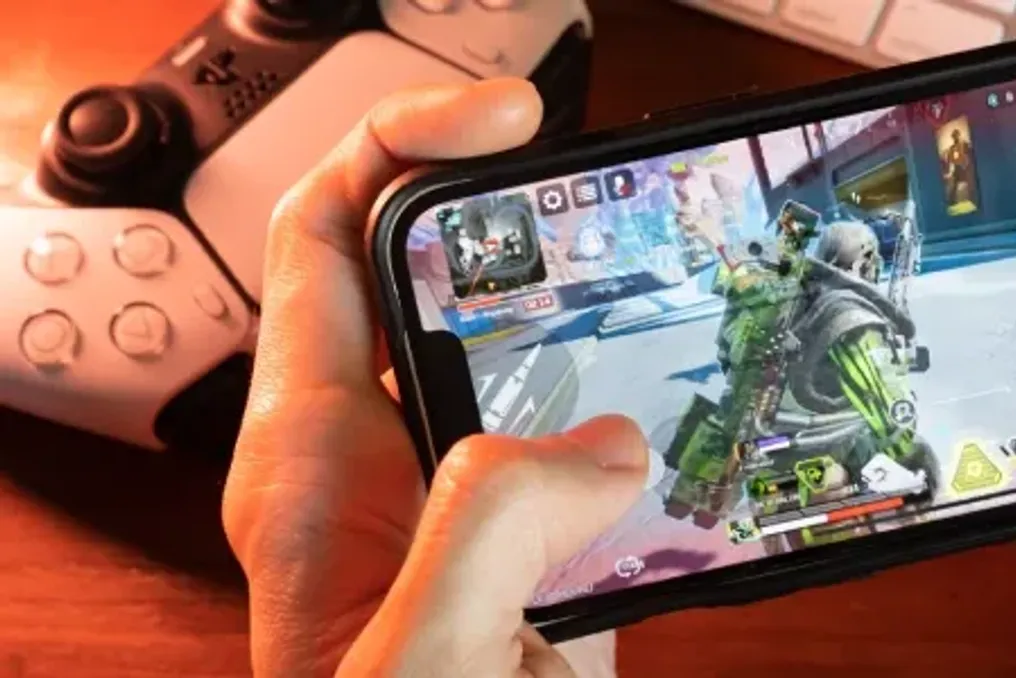
However, the market has undergone significant transformations, and the current perception may not have kept pace with this change. Brazil has over 100 million players, and the mobile phone functions as one of the main access routes to this audience. Furthermore, the country follows a global trend where the smartphone has transcended its function as a mere communication device, becoming an entertainment hub, financial transaction center, social network, video platform, and increasingly, a gaming platform.
Given this, the central question should not be about the growth of mobile, but rather why it is still considered a smaller market.
Mobile holds an undeniable competitive advantage: distribution. To play on a console, one must acquire the console itself; to play on a PC, a computer compatible with the desired titles is required. In the case of the mobile phone, in most situations, the user already possesses the equipment.
This drastically alters the user acquisition dynamic because the mobile phone does not force the consumer to invest in a new platform; it is the platform itself, generating immense scale. This is why titles like Free Fire, PUBG Mobile, Roblox, and Honor of Kings have managed to build vast communities in markets where entry barriers for consoles and PCs are considerably higher.
The success of mobile does not necessarily lie in the superiority of the experiences offered, but in the ability to reduce the distance between the individual and the game. One of the industry's biggest mistakes seems to be maintaining an obsolete definition of who a 'gamer' is.
In the past, the term 'gamer' designated someone who bought games, owned a dedicated console or PC, and dedicated long hours to playing. Today, the player can interact with the game at various moments of daily life: while commuting to work, while waiting for an appointment, during lunch break, or before going to sleep. The session duration can range from ten minutes daily to four hours.
The modern player can choose to make in-app purchases or spend nothing. They can follow streamers on their mobile, play with friends on the same device, and consume game-related content on the same screen. The smartphone has integrated gaming into daily routine, taking it out of the condition of an isolated event of the day.
This aspect is crucial for brands because mobile doesn't just deliver audience; it provides frequency. And frequency constitutes one of the most valuable assets in the digital economy.
The discussion becomes even richer when analyzing the economic model of mobile, which has transformed gaming into a relationship platform. Mechanisms such as free-to-play, battle passes, skins, events, advertising, subscriptions, in-app purchases, content creators, and communities have established an economy that goes beyond the simple sale of a game copy.
This opens up substantial opportunities for companies that do not traditionally belong to the gaming sector. Telecom operators can offer connectivity and benefits; banks can develop financial products targeted at gamers; retailers can implement loyalty programs; brands can create experiences within games; content platforms can focus on acquisition and retention; and publishers can convert communities into consumption ecosystems.
In this context, mobile is not merely a distribution channel, but a complete business infrastructure. The Brazilian market presents a specific opportunity due to its vast population, being one of the largest global player bases, combined with a very strong digital culture. However, there is still a gap between the volume of audience and the ability to convert that audience into locally developed businesses.
There are talents, studios, and consumers in the country, but the challenge lies in establishing stronger connections between these three elements. This implies viewing games not just as entertainment, but as a comprehensive industry involving technology, advertising, media, payments, telecommunications, intellectual property, and commerce.
Perhaps the biggest mistake is persisting in questioning whether mobile is as relevant as the console or PC. This comparison has become outdated. The mobile phone does not need to replace the console; it has simply created a category with a characteristic that other formats cannot replicate on such a scale: the near universality of ownership.
While the gaming industry spent years debating resolution, hardware, exclusives, and teraflops, a distinct platform was silently conquering space in the pockets of billions of people: the mobile phone. This might be the greatest irony of the market.
Although part of the industry still views mobile as an inferior category, many companies have built their greatest gaming ventures by exploiting exactly what the smartphone does best: accessibility, scale, frequency, and connection. Mobile is not just the future of gaming; it is already the present. The question now is whether the Brazilian industry will continue to treat this market as a 'smaller game' or if it will finally recognize its true magnitude. Because in Brazil, the biggest console may not be under the television, but in the pocket.
Xiaomi reinforces its presence in the Brazilian market by making available smartphones with good performance and competitive features. For those looking for a new device, three models from the brand have been selected that are featured on the Amazon platform, covering models such as the Redmi Note 15 and the Redmi 15C, suitable for various user profiles.
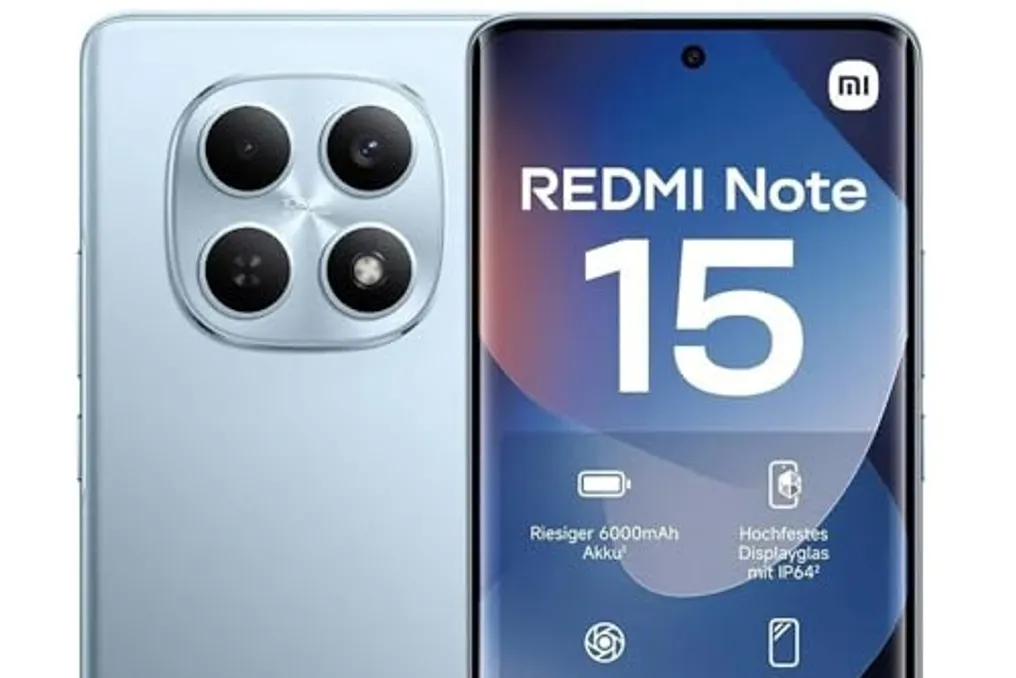
The Redmi Note 15 model in Blue presents a robust configuration of RAM and internal storage, ideal for users who use their phone intensively, whether for multitasking, taking photos, or running demanding applications. The blue finish gives it a distinct look for those who prefer to move away from the standard.
Additionally, there is the Black version of the Redmi Note 15, which maintains the same powerful specifications—8GB of RAM and 256GB of storage—but with a more sober and traditional design. This option is recommended for those who value consistent performance in daily use without sacrificing refined aesthetics.
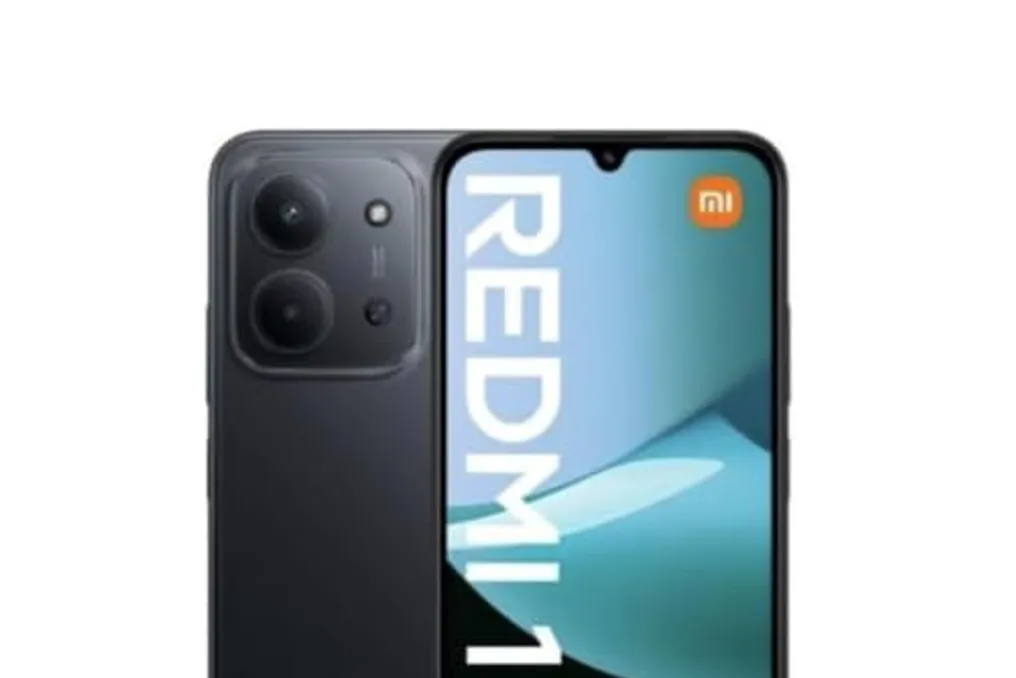
The Redmi 15C emerges as a more accessible alternative within the Redmi line, yet it also features considerable memory: 8GB of RAM and 256GB of internal storage. It is perfect for those who wish to start in the Xiaomi ecosystem with a device capable of managing daily activities well.
It is important to note that promotions like these may be temporary, as stock runs out quickly and prices on Amazon fluctuate constantly. If any of these models catch your interest, it is recommended to access the link immediately to secure the purchase before the opportunity ends.
Xiaomi reinforces its presence in the Brazilian market by making powerful smartphones at accessible prices available, and the current offers on Amazon demonstrate this proposal. Three models were selected, ranging from the entry-level to the mid-range category, ideal for those who want to upgrade their device while maintaining a good level of performance.
The Redmi 15C was launched targeting users looking for a reliable device for daily use without difficulties. Equipped with 8GB of RAM and 256GB of internal storage, it offers ample space to store photos, videos, and applications. Its Midnight Black design gives it an elegant and sober look, while the Redmi line's hardware ensures smooth operation during daily tasks.
The Redmi Note 15 represents a significant advance compared to previous versions of the series, focusing on more efficient cameras, a high refresh rate screen, and long battery life, features that qualify it well in the mid-range segment. In the Blue variant, the device combines good performance with a distinct look. Its configuration of 8GB of RAM and 256GB of storage is ready for intensive users.
In the same generation, the Redmi Note 15 is also available in Black, a classic option for those who prefer a discreet and durable finish. The specifications of this model are identical to the Blue version, including 8GB of RAM, 256GB of storage, in addition to the attributes that highlighted the Note 15 in the category, such as fast processing, multi-functional camera, and battery life superior to the average for its price range.
Since stock on Amazon can change frequently, it is recommended to check the links immediately to confirm the availability of each model. For those planning to switch phones, these three Xiaomi devices provide an excellent ratio between cost and performance, and the current conditions can be checked directly on the store through the indicated buttons.
Motorola reinforced its presence in the Brazilian market by presenting a line of smartphones that combines good performance, long battery life, and smart cameras while maintaining accessible prices. Three models from the Moto G series available on promotion on Amazon were highlighted.
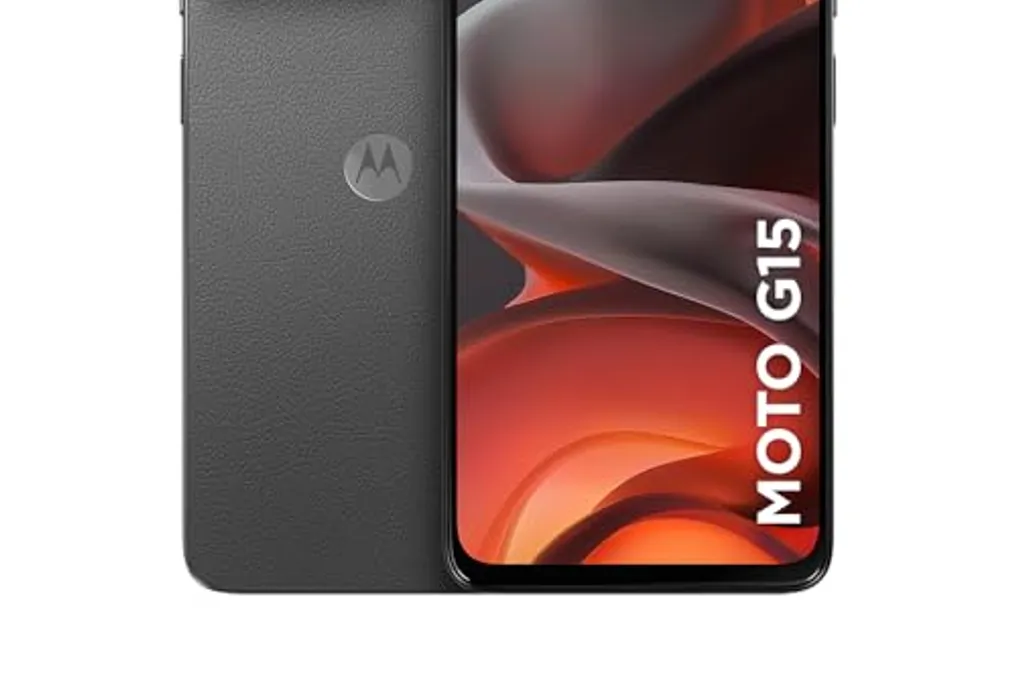
The Moto g15 features a 6.7-inch Full HD+ screen with Super Brightness, making it suitable for use under strong sunlight. Its 50MP camera incorporates artificial intelligence and Night Vision to capture more defined night images. Furthermore, it offers a 5,200 mAh battery for daily autonomy, and NFC support enables proximity payments. The device comes equipped with 256GB of memory and 12GB of RAM (configured with 4GB physical and 8GB RAM Boost), presenting a competitive set in the mid-range segment.
For users who prioritize a large display without sacrificing essential features, the Moto g06 presents a 6.9-inch panel. Its 50MP main camera uses artificial intelligence to optimize photos in various lighting conditions. Like the other model, it has a 5,200 mAh battery to ensure prolonged use, and the 12GB of RAM (4GB physical + 8GB RAM Boost) ensures smooth navigation. This entry-level model from the Moto G line has 128GB of internal storage.
Considered the most advanced of the three, the Moto g35 5G stands out with 5G connectivity support, positioning it to take advantage of the fastest networks available in Brazil. It also boasts a 6.7-inch Super Brightness screen for good outdoor visibility, and a 50MP AI camera for photography. Additionally, the device includes NFC for contactless payments and a sophisticated Vegan Leather design in Gray. Its technical specifications are robust, featuring 256GB of storage and 12GB of RAM.
The mentioned offers are temporary on Amazon, and stock may run out quickly. It is advisable to check the links immediately if any of these models are of interest to ensure the best purchase condition.