The United States is expressing concern over the strengthening ties and growing trade between India and Russia. As India purchases crude oil from Russia, the US is taking daily steps to curb this process, recently threatening to impose a 100% tariff against India.
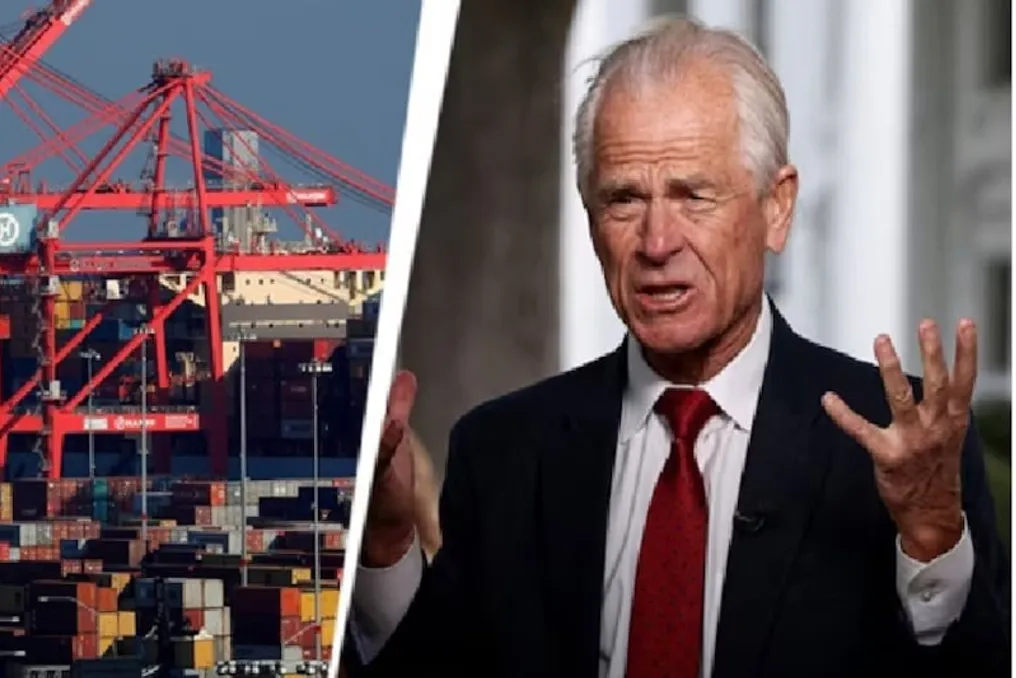
However, the US has recently leveled what appears to be an unassailable accusation: they have accused India of assisting China. Peter Navarro, trade advisor to US President Donald Trump, voiced serious allegations against India, citing a new White House report.
According to Navarro's statement, 'India is under the close scrutiny of the American surveillance radar.' This statement was made in the context of a US report that named about 40 countries, including India, as participants in China's 'network of secret transit shipments.'
According to Peter Navarro, China uses more than 40 countries to ship its products to the US to bypass American tariffs. The main channels for these supplies are Mexico and South Asian countries.
The White House report, titled 'Large-Scale Shipping Fraud,' states that Chinese goods are being sent to the US through third countries to avoid tariffs imposed by the US on China. Navarro claims that China exports its goods from these countries after minor processing, repackaging, relabeling, or rerouting, creating the appearance that the product was manufactured not in China, but in the exporting country.
According to Navarro, this illegal method results in annual losses for the US of between $19 billion and $26 billion in customs revenue. Amid current negotiations on mutual tariffs between India and the US, this accusation is viewed not merely as a statement, but as a signal to increase pressure at the negotiating table.
The report also mentions the cities of Gujarat, Chennai, and Pune in India, which are called 'sister cities to Seattle, Dayton, and Columbus' in the US. This term is applied to foreign production centers that redirect Chinese goods to the US, manufacturing pumps and compressors.
These officials assert that such illegal practices cause significant damage to local employment and industrial production in America.
The report asserts that besides India, many key US trading partners are involved in this Chinese network, such as Mexico, Canada, the European Union (EU), Japan, and South Korea. Navarro warned that under the Trump administration's new trade structures, strict rules will be implemented, providing for large fines or penalties for countries using themselves as transit channels.
In addition to trade tariff issues, Navarro once again raised the topic of India importing crude oil from Russia. He stated that the US administration is preparing to introduce additional fees for countries that continue to purchase energy from Russia despite new restrictions. It should be noted that India continues to import crude oil from Russia, having purchased about 50 percent of its total crude oil imports from Russia in July. Following this, the US announced the possibility of imposing a 100% tariff.
Peter Navarro previously demonstrated an aggressive stance regarding Indian trade policy, calling India the 'tariff king.' His recent statement clearly indicates that future trade discussions between India and the US may become even more tense.