India is actively positioning itself as a global leader in the field of clean energy, where the transition to non-fossil fuel energy sources is significantly accelerating due to the key role of green hydrogen. By the end of December 2025, the share of non-fossil sources in India's installed capacity reached 51.93 percent, exceeding India's second Nationally Determined Contribution target.
According to IRENA data on renewable energy statistics for 2025, India ranks fourth globally in total installed renewable energy capacity. Furthermore, the country's energy transition is closely linked to its development needs, as it has not yet reached peak energy demand, and energy availability, acceptability, and security remain central elements of its development strategy.
India's development strategy combines the growth of renewable energy, increased energy efficiency, the use of nuclear energy, green hydrogen, carbon sinks and carbon markets, as well as industrial competitiveness and job creation.
The Significance of Green Hydrogen for Decarbonization
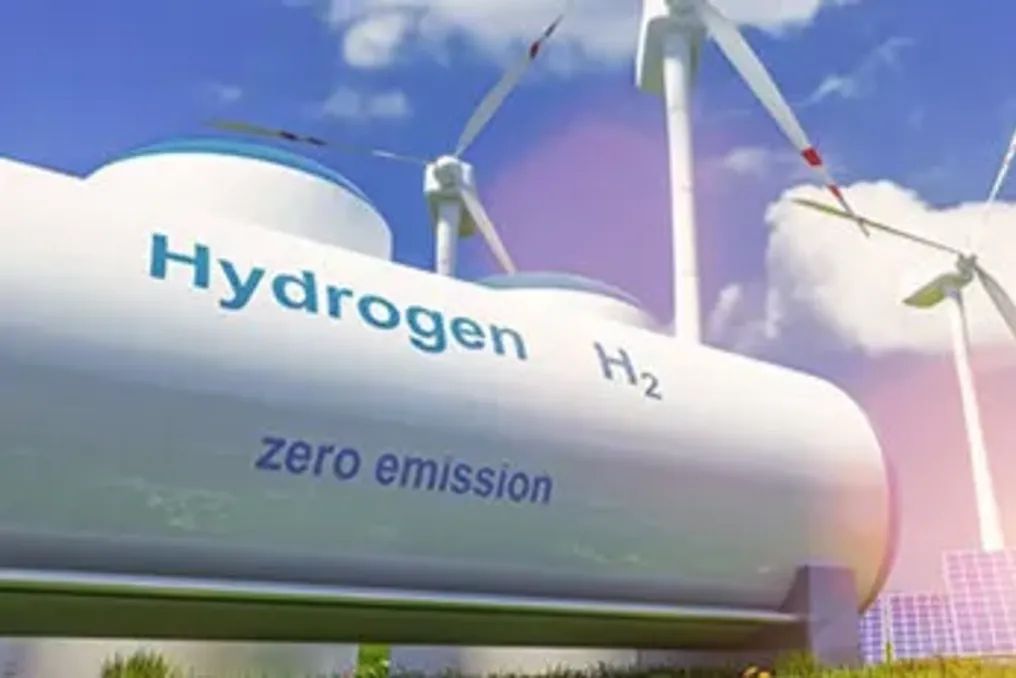
Green hydrogen has become an important component of this strategy because it can support decarbonization in sectors where direct electrification may be insufficient. Serving as both a fuel and an industrial raw material, its production using renewable energy allows for the replacement of fossil fuel-derived components in oil refining, fertilizer production, metallurgy, and other hard-to-decarbonize industries. Additionally, it helps reduce emissions in long-haul vehicles, rail transport, and maritime vessels; Indian Railways recently demonstrated the capability to operate trains on hydrogen.
The central policy for scaling up this potential is enshrined in the National Green Hydrogen Mission. This mission links the energy transition with industrial policy and external economic opportunities, aiming for the annual production of 5 million metric tons of green hydrogen by 2030. A production capacity of 862,000 tons per year has already been allocated to 18 companies, and 15 firms have been awarded electrolyzer production capacity of 3,000 MW per year. Three green hydrogen hubs have also been identified: at the Port Administration of Diendayal in Gujarat, the Port Administration of Vo Chidambaranar in Tamil Nadu, and the Port Administration of Paradip in Odisha.
Specific Industrial Applications
The sectoral focus is aimed at integrating green hydrogen into specific industrial scenarios. In the fertilizer sector, a cumulative procurement requirement of 7.24 lakh (724,000) metric tons of green ammonia per year at a price of 55.75 rupees ($9.46) per kilogram is specified. In oil refining, green hydrogen is used to reduce the industry's carbon footprint, while in metallurgy, five pilot projects involving public and private producers are testing the application of green hydrogen for iron reduction and other technological processes in India.
International Dimension of the Strategy
India's green hydrogen strategy has a clear international direction, as the country intends to utilize voluntary cooperation under Article 6 of the Paris Agreement on Climate Change. This is highly significant as green hydrogen is expected to become part of future clean energy trade. Thus, India's efforts not only meet domestic decarbonization needs but also allow the country to participate in shaping the rules, markets, and supply chains of the future low-carbon global economy.
India is also promoting its participation in emerging international hydrogen platforms and partnerships. In 2024, the country presented its India Pavilion for the first time at the World Hydrogen Summit in Rotterdam. Cooperation is expanding within the EU-India Trade and Technology Council, where over 30 joint proposals for hydrogen production from waste have been received. India and the UK are working on hydrogen standardization, while work is underway with Germany on market mechanisms and joint tender design for exports. Moreover, Indian companies have signed long-term offtake agreements with Japanese companies for green ammonia and green methanol.
India is at the forefront of promoting solar energy in Global South countries, not only through its advocacy but also through the demonstration effect of its own actions. Its proactive steps regarding green hydrogen could have a similarly strong positive impact on Global South nations.