Modern dermatology utilizes various laser procedures to reduce wrinkles and scars. These methods physically affect the skin, eliminating pigment spots and stimulating fibroblasts—cells responsible for producing collagen, which provides skin elasticity.
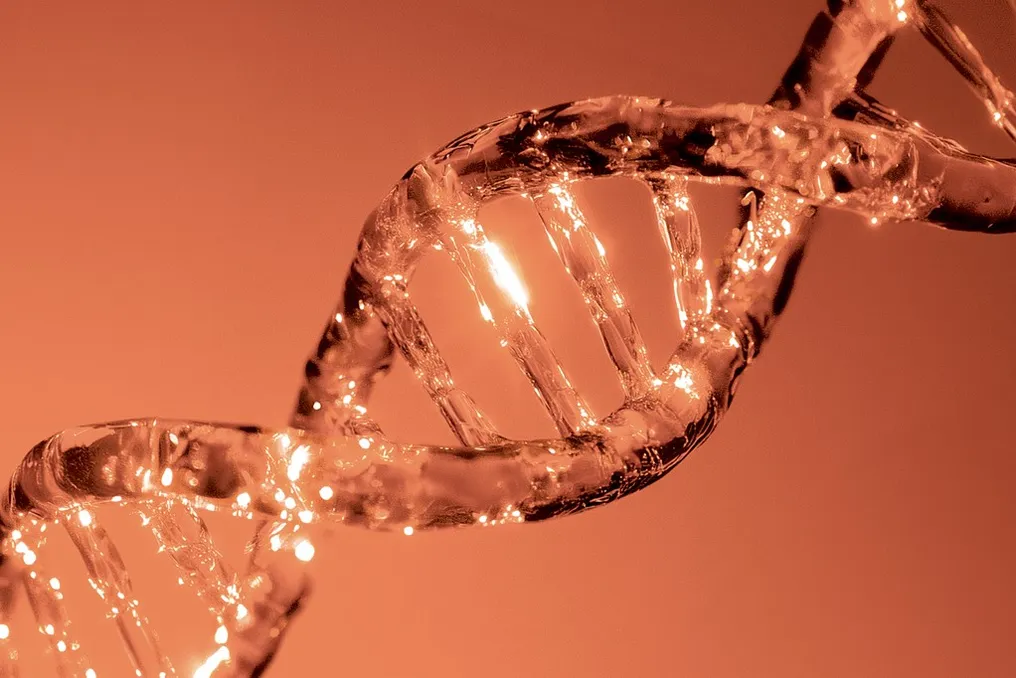
However, according to a study conducted by scientists from the USA and the UK, the laser is capable of performing another function: activating or deactivating specific skin genes, thereby improving skin properties.
Twenty-two volunteers aged 20 to 64 participated in the experiment. They underwent three sessions using a standard dermatological laser. One month after the procedure, scientists took a skin sample from each participant and analyzed it.
The results showed that the application of the laser led to the activation or deactivation of 635 DNA loci. At these sites, the laser was able to reverse 84% of the genetic changes associated with skin aging.