Details about HyperOS 4, Xiaomi's next interface version, were exposed this Friday (07) following the leak of files related to the system's initial setup. This material anticipates visual modifications, artificial intelligence-based features, and suggests how the manufacturer plans to distribute certain innovations across different smartphone categories.
This information emerged before the official announcement of the platform and directly refers to the new system version, presenting a sequence of screens designed to show users the main features immediately after the update. The content also corroborates previous rumors about the new interface aesthetic.
A crucial point is the possibility that not all features will be accessible on all compatible devices. The files themselves segregate basic functionalities from features intended for flagship models, indicating that the user experience may vary depending on the device's hardware.
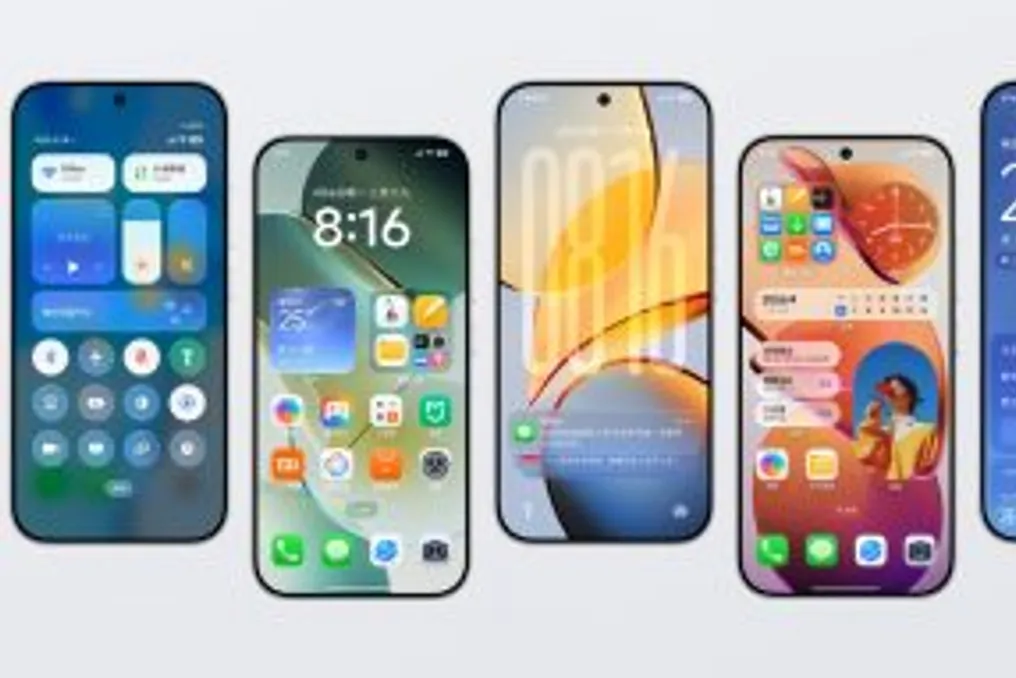
The discovered configuration package groups ten sets of novelties, ranging from system appearance adjustments to intelligent tools focused on increasing productivity. Among these additions are a new lock screen experience, the ability to stack widgets, the possibility to resize folders, improved inter-device integration, and AI features integrated into the system.
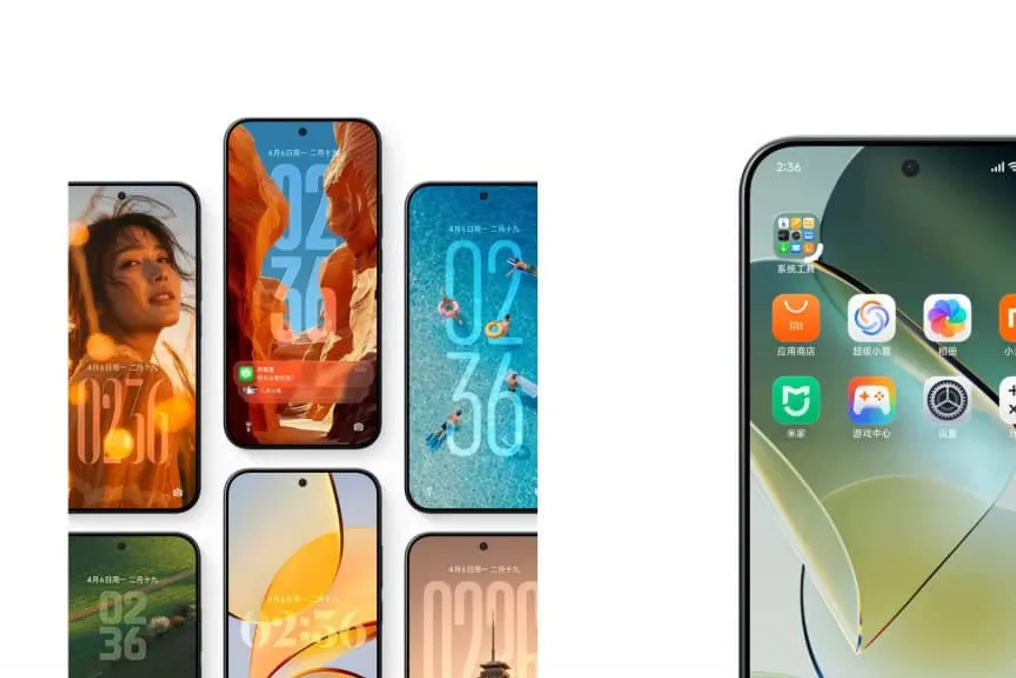
One of the most significant transformations is the implementation of the so-called Glass Material, a visual identity characterized by transparencies, depth effects, and translucent elements. The files link this graphic set to specific device categories, signaling that the interface may change according to hardware capability, even among phones updated to HyperOS 4.
The lock screen has also been revamped. The images in the material show new clock styles, differently organized notifications, and a more cohesive visual composition with the wallpaper. Classifying this experience as part of the Glass set reinforces the chance that this feature will be exclusive to certain models.
Another expected new feature for the home screen is widget stacking. This function allows grouping various cards in a single area of the desktop, simplifying the switching between data such as weather forecasts, calendars, clocks, media controls, and system utilities. Furthermore, application folders will gain an option to change their size directly in the interface.
The leak also points to a redesign of the Xiaomi HyperConnect Device Center, the communication hub between the brand's products. The interface will consolidate smartphones, tablets, smartwatches, headphones, cameras, smart appliances, and even the Xiaomi SU7 vehicle into a unified visual environment.
Artificial intelligence represents a considerable portion of the anticipated novelties. Super XiaoAI arrives with a redesigned interface and a mode called Expert Mode, which expands automation options. Among the examples shown in the files is the creation of recurring tasks, such as scheduled searches to be executed weekly with automatic result delivery at a predetermined time.
The Notes app should also receive new intelligent features. The material displays tools capable of recording meetings, generating automatic summaries, identifying discussed tasks during conversations, answering questions based on saved content, and even converting information into podcast format.
Another planned integration concerns the system keyboard. The files indicate the arrival of AI functionalities focused on translation, voice recognition, text enhancement, and personalized rewriting, allowing these features to be used directly during typing without needing to open separate applications.
Although the files reveal an advanced stage of HyperOS 4 development, Xiaomi has not yet made an official announcement of the new version. The material strengthens expectations for a launch still in August, but the final date has not been confirmed by the manufacturer. The post about the HyperOS 4 leak with AI and interface news for Xiaomi phones was initially published on Olhar Digital.