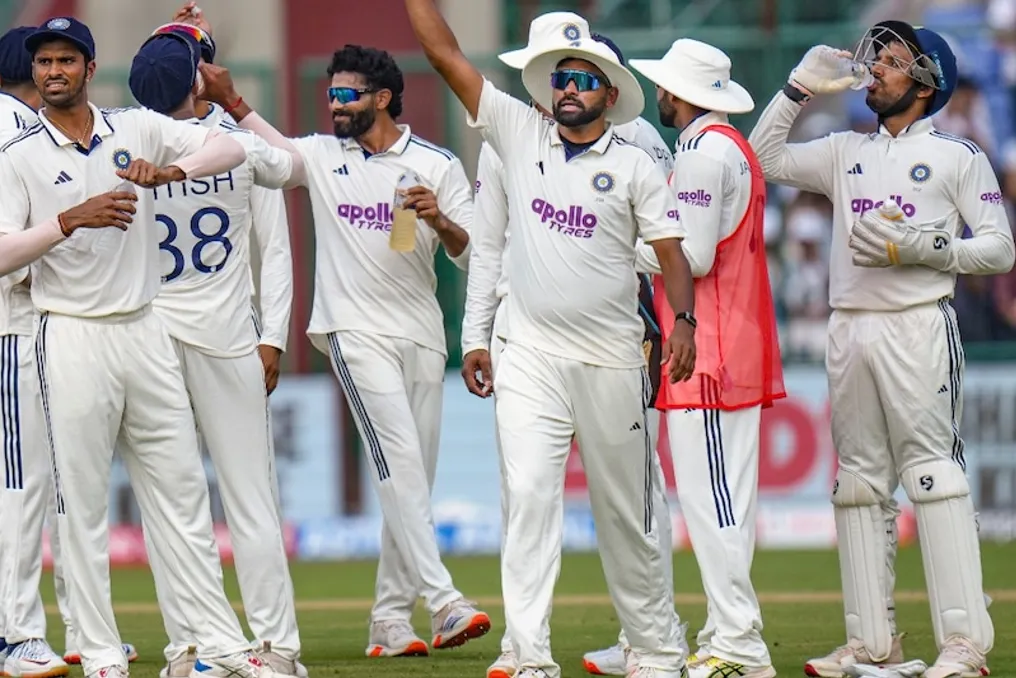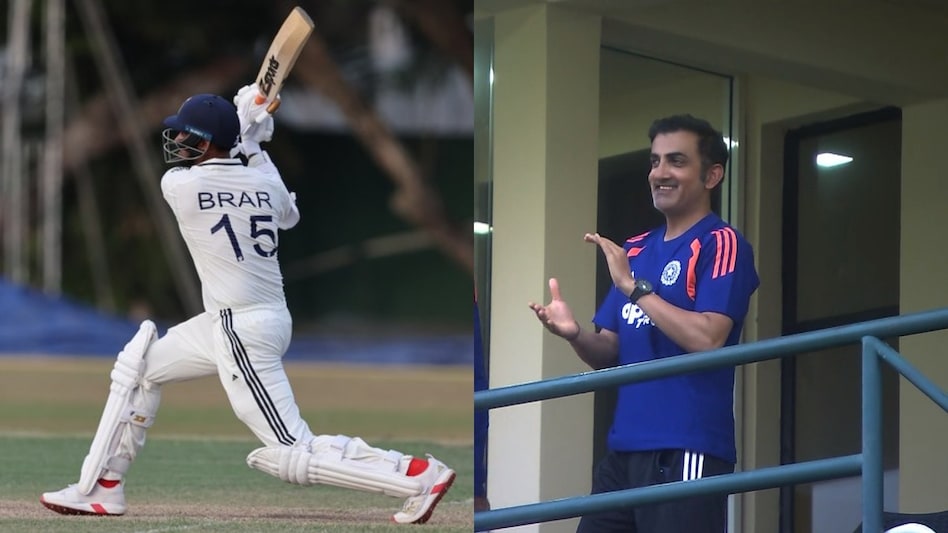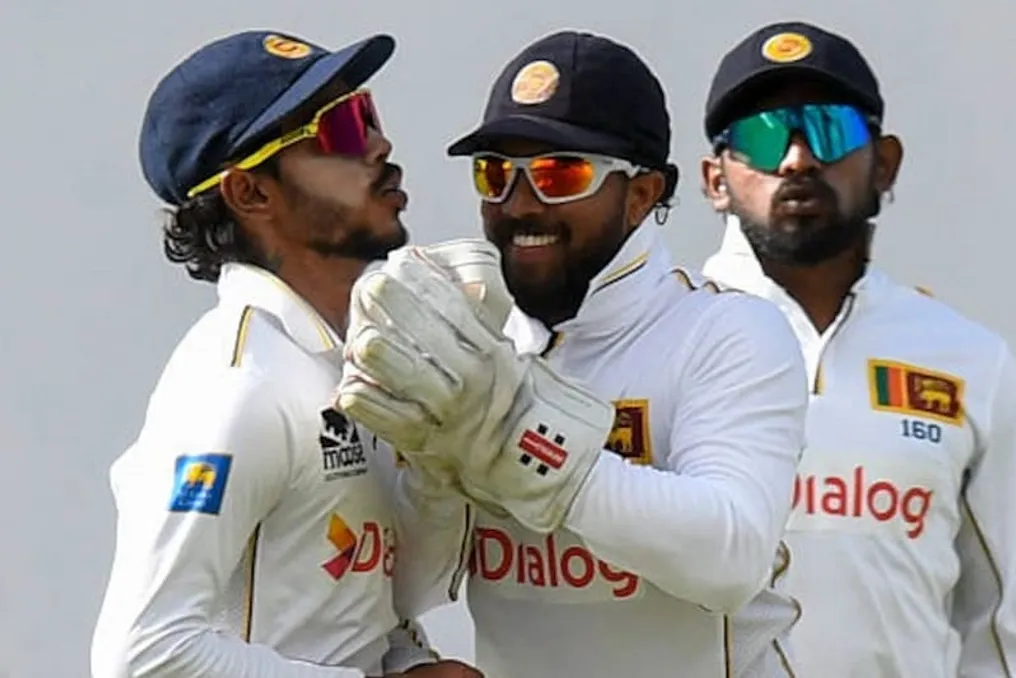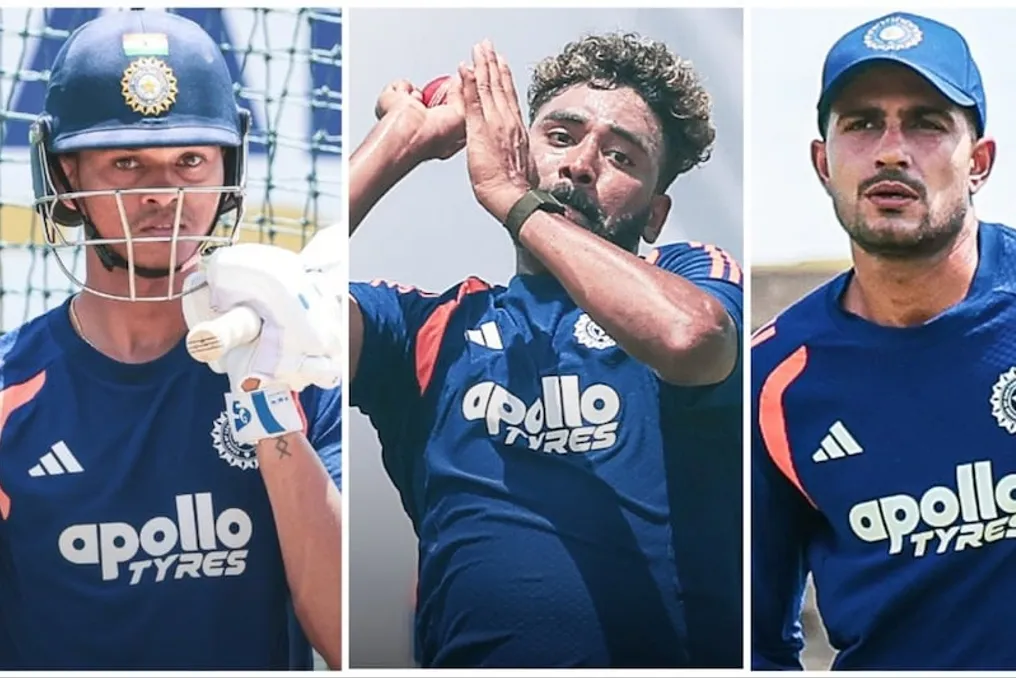
The Indian team has arrived in Sri Lanka and is preparing for the first test match, which will take place at the Galle International Stadium on Saturday, August 15. The Indian team faces challenges that go beyond simply confronting Sri Lanka's spin bowling; conditions, ball behavior, players' physical fitness, and the ability to maintain pressure over a long period will play a decisive role.
This first test, starting on August 15 in Galle, is highly significant for the World Test Championship (WTC) campaign. The team is currently ranked fifth in the WTC, and recent home results have increased the pressure on the squad.
Although Indian players are familiar with Sri Lankan conditions, the high temperature and humidity coming from the sea in Galle cannot be ignored. India's bowling coach, Morne Morkel, cited this as the most serious challenge before the match. Due to the proximity of the ocean to the Galle stadium, there is considerable stuffiness. Players felt this during training sessions on Thursday.
In such weather conditions, long bowling spells become difficult. Fast bowlers will have to exert more influence in fewer overs, while batsmen will find it hard to stay on the field for extended periods. According to Morkel, skills alone are not enough in this tour; players must quickly analyze the conditions and adapt their strategy.
The second major challenge for India is the red Kookaburra ball. In India, SG balls are typically used in Test matches, whereas Sri Lanka plays with the Kookaburra ball. This machine-made ball loses its seam relatively quickly over time, and the ball itself softens fairly rapidly. Morkel believes the ball softening probability will occur around 20-25 overs. This means fast bowlers will have limited opportunity to make an impact with a new ball. Consequently, taking wickets early will be extremely important. If bowlers fail to create opportunities at the start, it will be difficult to trouble the batsmen with an old ball. Here, the 'street smarts' of Indian bowlers will be tested: they need to quickly decide when to bowl short, when to use the field line, and when to change the attack.
Another issue for India is the lack of red-ball format matches. The first match against Sri Lanka will be India's second red-ball game in 2026. The previous Test against Afghanistan in June lasted only two and a half days. This means Indian players lacked the opportunity to maintain consistent pressure in prolonged Test match conditions in recent months. One good start is not enough in Test cricket; bowlers must constantly pitch the ball into the right area throughout the day, and batsmen must spend many hours on the field.
Perhaps the biggest area for improvement for India is batting. During the last WTC series against South Africa, Indian batting failed to put sustained pressure on the opposition. Only once across two Tests did India manage an innings longer than South Africa's. In Guwahati, both Indian innings lasted 83.5 and 63.5 overs, while South Africa's first innings continued until 151.1 overs. A similar mistake could prove costly in Sri Lanka. If Indian batsmen fail to score a large total in the first innings, it will place constant pressure on the bowlers. Therefore, it is important for the team not only to score runs but also to occupy time to tire out the opposition bowlers.
The old and rough outfield in Galle can wear down the ball quickly, creating potential for reverse swing with an old ball and presenting a new weapon for India's fast bowlers. However, rain complicates the picture. Recent rains have made the outfield softer, which may slow down the ball's reverse movement. Morkel clearly stated that in such conditions, fast bowlers must deliver the ball with full energy in short spells. Furthermore, there is a significant question regarding team selection. Despite injuries to Nitish Reddy and Washington Sundar, India has four fast bowlers and four spin options. Considering the history and Galle's conditions, the option of three spinners looks strong. Ravindra Jadeja and Kuldeep Yadav are part of the squad, and Manav Sutar and Saransh Jain are competing for the third spinner spot. Sutar demonstrated impressive form with 6/33 in his debut Test against Afghanistan. He also impressed in practice against SLC XI in Colombo. But there is a problem: like Jadeja, he is a left-arm spinner. On the other hand, Saransh Jain is a right-arm off-spinner who can also bat. He was included in the Test squad for the first time instead of Washington Sundar. Both completed long spells in practice on Thursday.
2