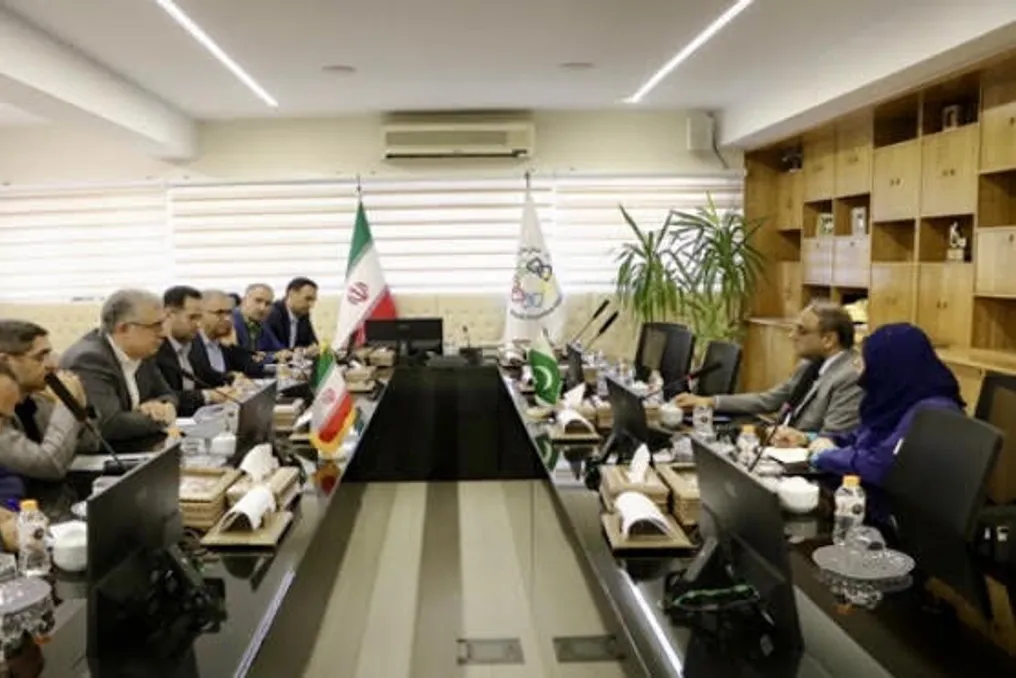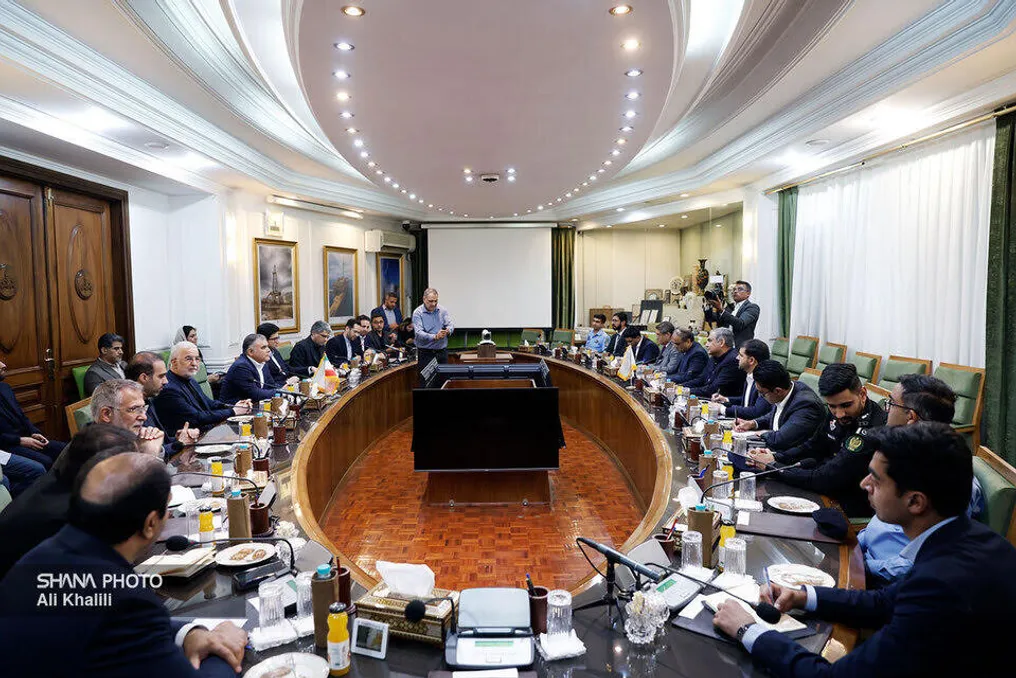
Iran's Oil Minister Mohsen Paknejad met with Pakistan's Interior Minister Syed Mohsin Raza Naqvi at the Ministry of Petroleum headquarters to discuss expanding bilateral cooperation in the energy sector, as well as increasing commercial and economic ties, according to the publication Shana.
During this meeting, both sides, assessing common areas and potential for interaction, especially in the energy sphere, emphasized the need to develop trade and economic exchanges between Iran and Pakistan.
The Oil Minister stressed that the long-standing economic, commercial, and cultural relations between the two countries create a solid foundation for deepening interaction in various fields, particularly in energy.
Paknejad noted the existence of numerous avenues for oil and petroleum product trade, as well as for exporting technical and engineering services, especially in the refining sector.
Previously, President Masoud Pezeshkian stated during his visit to Pakistan on June 22 that Iran is ready to develop relations with Islamic countries, including Pakistan, in all spheres, insisting that Tehran-Islamabad relations must be strengthened in practice, and the results of this approach should be reflected in future agreements and memoranda.
Pakistan's Prime Minister Shehbaz Sharif, citing the economic opportunities of both countries, stated that the initial target of $10 billion for trade between Iran and Pakistan should be increased to an annual figure of $30 billion.
During the meeting with Pakistan's Interior Minister, Mohsen Paknejad announced the creation of specialized working groups between Iran and Pakistan. The purpose of these groups is to monitor the implementation of major agreements on energy exchange.
Mohsen Paknejad, outlining the main topics of the meeting, specified that issues of mutual interest in the energy sector were discussed, and it was decided to form expert working groups for further elaboration and finalization of the raised issues.
Referring to the extensive land border between Iran and Pakistan, he noted that this border can be an important advantage in energy exchange. He added that the foundations and preliminary conditions on this matter had already been discussed previously.
Paknejad continued that, according to the agreement, the expert working groups will make trips from Iran to Islamabad and from Pakistan to Tehran to continue discussions.
Addressing the mutual needs of the two countries, he stated that friends from Pakistan require petroleum products, and Iran has the capacity to export them, so needs will be met in sectors where there is export potential.
The Oil Minister emphasized that in some sectors, given the territorial and geographical advantages, benefits can be derived from these opportunities.
Regarding gas cooperation, Paknejad recalled that the issue of a gas pipeline from Iran to Pakistan had been raised previously; general points were discussed at this meeting, and it was decided that more detailed expert discussions on this matter would be conducted by working groups.