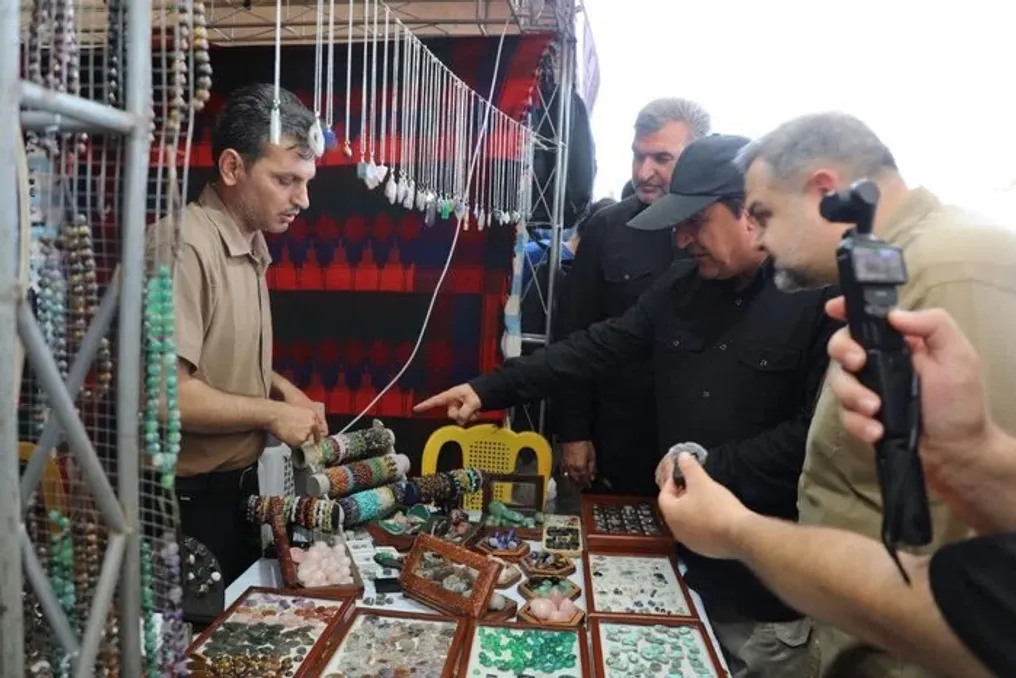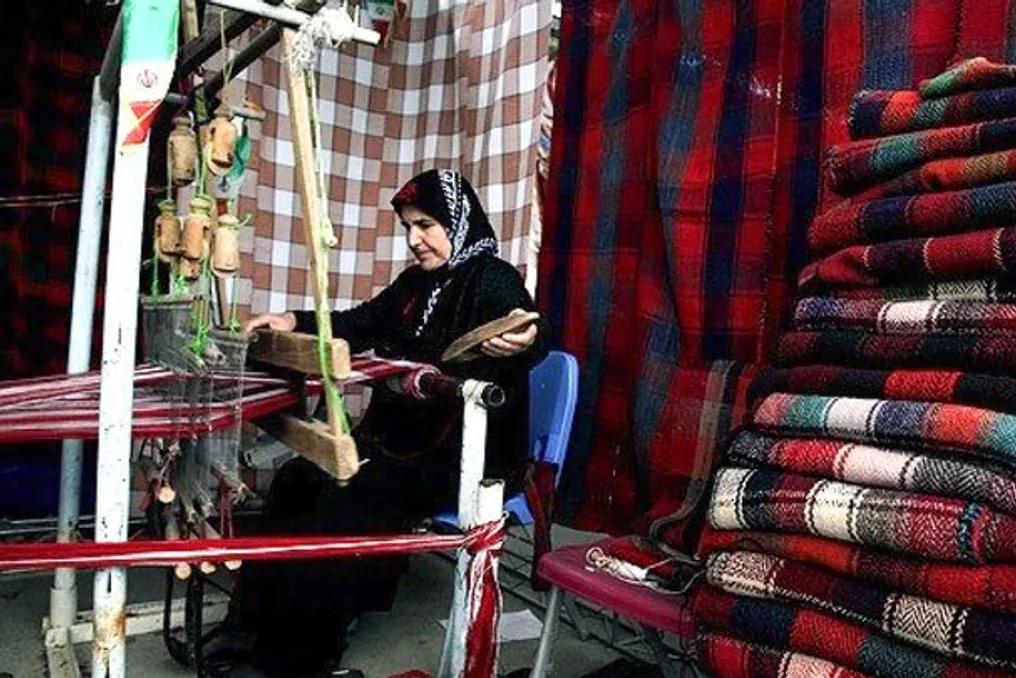
The Minister of Cultural Heritage, Tourism and Handicrafts, Seyyed Reza Salehi-Amiri, announced Iran's plans to establish a specialized craft town in Mashhad. This project will be implemented as a pilot and may subsequently be replicated across the country.
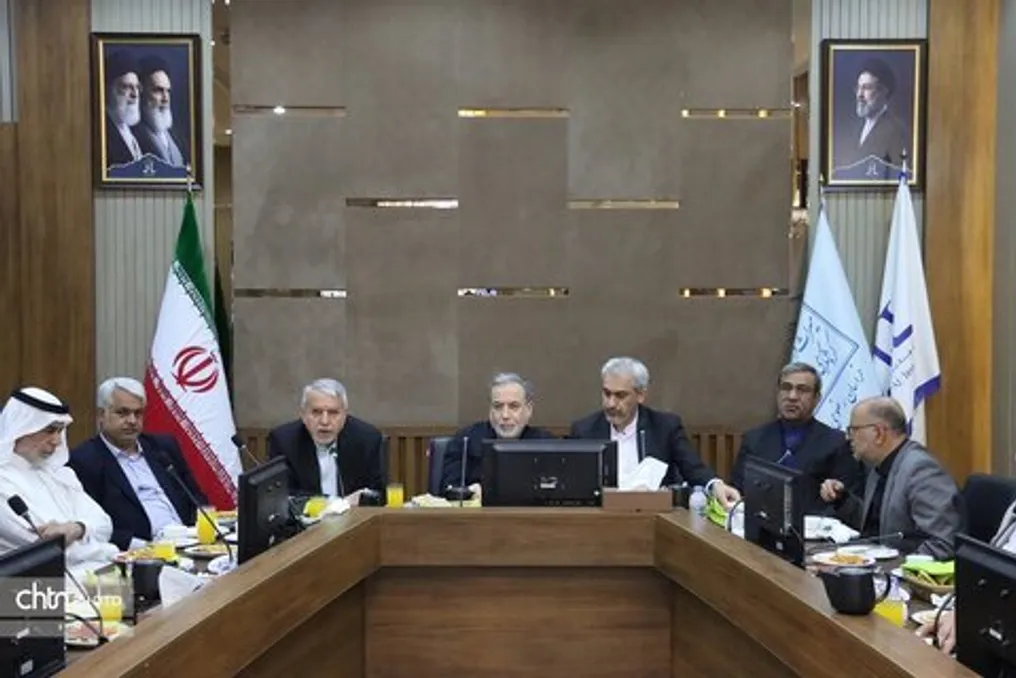
The announcement was made during a specialized meeting with investors in tourism and handicrafts in the Khorasan Razavi province. Attendees included Foreign Minister Abbas Araghi, Minister of Economic Affairs and Finance Seyyed Ali Madani-Zadeh, Governor-General of Khorasan Razavi Golam-Hossein Mozaffari, Ali-Asgar Shalbahian, head of the Investment and Economic Affairs Center of the Ministry of Cultural Heritage, Tourism and Handicrafts, the head of the Mashhad Chamber of Commerce, as well as several investors and high-ranking officials.
The Minister of Tourism noted that Khorasan Razavi is one of Iran's leading provinces in terms of tourism potential. He emphasized that the volume of completed or current investments in the sector demonstrates its capacity to generate economic activity and jobs. According to Salehi-Amiri, these opportunities and investments have created about 50,000 jobs, and the total number of jobs related to tourism in Mashhad and Khorasan Razavi reaches approximately 180,000.
He stated that the combination of tourism assets, investments, and employment has given the province a prominent place in Iran's tourism economy. Regarding handicrafts, Salehi-Amiri reported that the ministry is working on creating such a complex in Mashhad that can serve as a national model for emulation.
The Minister specified that this complex should be established and considered a national pilot so that the model can later be introduced in other provinces. The proposed complex aims to create a structured environment where artisans, craft specialists, and other industry personnel can gather and receive necessary support. Salehi-Amiri noted that Mashhad's existing capabilities can form the basis for developing a national handicraft model, as such potential is absent in all regions of the country.
According to data, Iran has 299 active handicraft disciplines out of approximately 400 identified worldwide, and 90 active handicraft disciplines are registered in Khorasan Razavi. The goal of the proposed town is to strengthen the production and sales chain of the sector, provide greater support to artisans, and assist in expanding sales markets for handmade goods.
During a visit to Isfahan in June, Salehi-Amiri spoke about the government's intention to develop a program to increase domestic and international demand for handmade products, boost exports, support masters, and create a complete value chain for this sector, naming Isfahan as a central hub for future growth. He characterized Isfahan's crafts as 'a symbol of Iran's soft power,' emphasizing that the sector represents not only artistic traditions but also culture, employment, livelihoods, and lifestyle.
According to official data cited by representatives of Iranian cultural heritage, in the Iranian calendar year ending March 20, 2025, Iran exported handmade goods worth approximately $223 million. Furthermore, an estimated similar amount reportedly left the country unofficially through travelers. Approximately 7,000 handicraft shops operate nationwide, alongside permanent and temporary bazaars, and online platforms are becoming increasingly significant sales channels.
According to the ministry, Iran has 299 recognized handicraft disciplines, divided into 18 groups, and has 14 cities and three villages registered internationally for handicrafts. Salehi-Amiri's statements also place the proposed craft town within a broader strategy for developing tourism infrastructure in the Khorasan Razavi province. He stressed that the significant volume of completed and ongoing tourism investments in the province reflects the sector's ability to generate economic activity and jobs. The Minister called for the development of tourism and handicrafts in the province to be based on its actual cultural and economic advantages, investment potential, and employment opportunities.
The Minister concluded that specialized infrastructure, including a dedicated craft town, can contribute to forming a more integrated chain covering production, display, sales, and market development. Thus, the initiative aims to consolidate handicraft production and related activities in one place while providing artisans with better access to institutional support and markets.