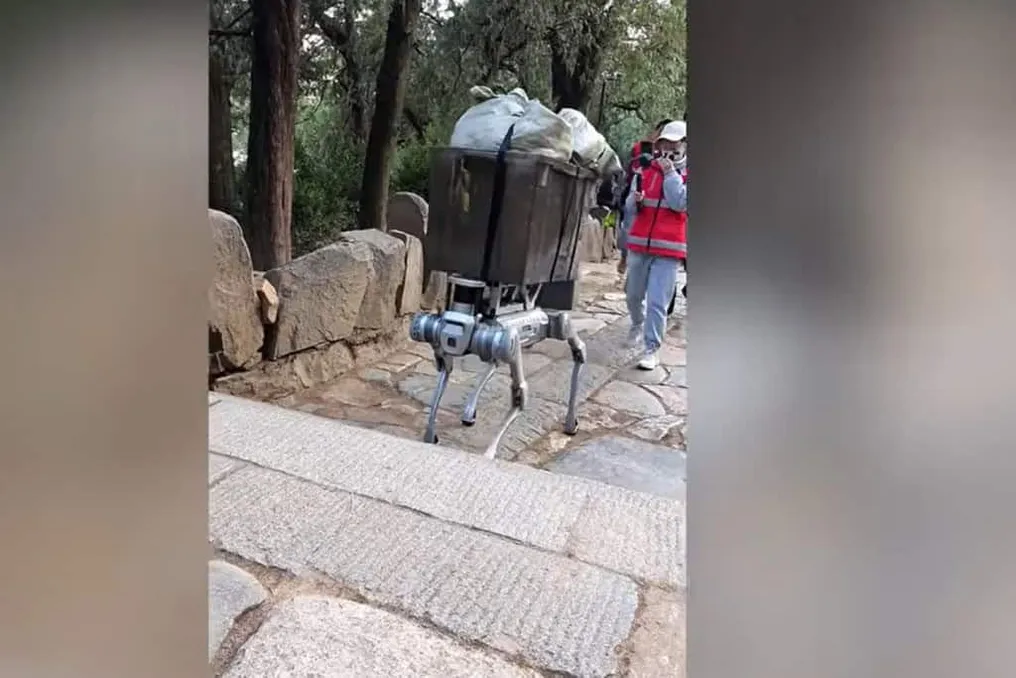
Artificial intelligence (AI) has moved beyond simple chatbots and image generation; it is now being used to create robots capable of performing household chores like a human. In India, many people are participating in the training of these robots.
Interestingly, the people helping to develop these robots risk losing their jobs due to the emergence of these same machines in the future.
Recording Work Using a Head-Mounted Phone
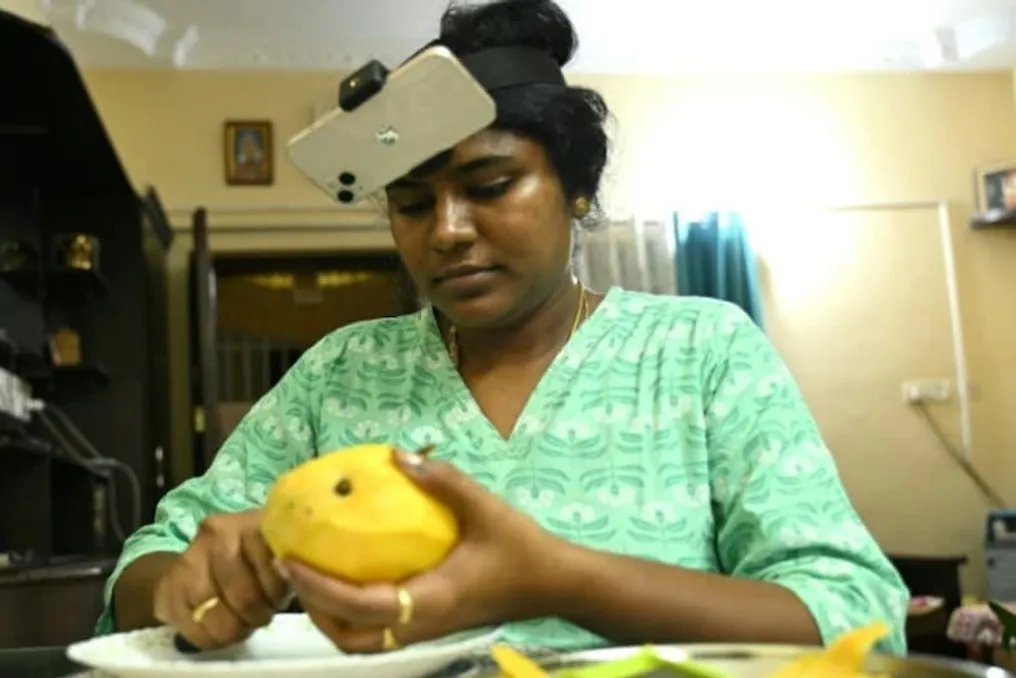
According to a report, some people in India record daily tasks using smartphones or head-mounted cameras. These tasks include common household chores such as cutting fruits, folding clothes, and cooking, as well as other minor actions.
This video material is used to train AI models. The goal is for robots to understand human hand and body movements and subsequently perform the same actions.
A woman from Tamil Nadu earns about 250 rupees per hour for recording household tasks. She performs the work by filming it with her phone mounted on her head and then sending the recordings to an AI data company via a special application.
Currently, this AI training work is being conducted on a large scale across India. Some workers perform tasks from home, while others visit studios or factories, wearing cameras and sensors to complete various assignments.
One AI trainer reported that he records videos lasting about four minutes and can create up to 90 such videos per day. In these recordings, he performs various actions, such as folding a towel onto a bed in different places.
In some cases, people are provided with smart glasses, motion sensors, and depth cameras to give the AI more data on human movements.
What Tasks Will AI Robots Perform?
Companies aim to create robots that can perform not only industrial tasks like lifting loads in factories but also small domestic chores. To achieve this, processes such as folding clothes, making coffee, cooking food, and assembling sandwiches are being recorded.
Thus, in the future, robots are viewed not just as industrial machines but as smart assistants working in the home.
For India, this presents both an opportunity and a threat. In this AI race, India functions as a major data processing hub where people collect, process, and label data for AI models, currently providing employment to thousands of people.
However, the question arises: what will happen to these jobs when robots capable of working instead of humans using the same data are created? Reports indicate growing concern about the impact of automation on employment due to the increasing use of AI in India. NITI Aayog has also pointed out the need to pay attention to risks associated with AI and employment.
Nevertheless, some experts believe that in the future, humans and robots will work together. That is, it is not necessary for every robot to replace a human; perhaps humans will take on the role of controlling and managing robots.
In other words, the technology that Indians are currently using to teach robots to work could completely change working methods in the coming future.